

Altiplano Route: Colorful Lagoons, Geysers, and the Great Salt Flat
The Salar de Uyuni Tour from San Pedro de Atacama (3 days / 2 nights) is one of the most breathtaking journeys across the Andean highlands. In a short but intense trip, travelers cross the border between Chile and Bolivia to explore extreme landscapes: colorful lagoons inhabited by flamingos, volcanic deserts, active geysers, hot springs, and, as the highlight, the immense Salar de Uyuni, the largest salt flat on the planet. It’s an adventure and nature tour, ideal for those seeking an authentic, photogenic, and off-the-beaten-path experience, combining unique natural scenery with the austere life of the highlands.
The route followed by this tour utilizes ancient paths of the highlands, used since pre-Hispanic times by Andean peoples who traded salt, minerals, and agricultural products between southern Bolivia, northern Chile, and northwestern Argentina. The Salar de Uyuni was, for centuries, an essential source of salt for local communities, and its geological origin dates back to the evaporation of ancient prehistoric lakes such as Minchin and Tauca, thousands of years ago.
With the development of San Pedro de Atacama as a tourist destination in recent decades, this ancient natural route has transformed into one of South America’s most iconic expeditions. The first journeys were undertaken in a rustic fashion, following almost invisible tracks in the desert, until the rise of adventure tourism solidified the use of 4×4 vehicles and basic shelters in remote areas. Today, the tour maintains that spirit of exploration, traversing almost untouched territories where the extreme geography, Andean culture, and the silence of the high plateau combine to offer an experience that goes beyond a simple trip: a direct encounter with the natural and human history of the Andes.
ITINERARY
Itinerary
DAY 1: San Pedro de Atacama Border Green/White Lagoons Deserts Colorada Lagoon
1) Departure from San Pedro de Atacama
Pick-up or meeting at a central location. It is recommended to have your passport handy and wear a jacket from the start.
2) Chile-Bolivia Immigration Procedures
Border crossing, document control, and, in most cases, transfer to a Bolivian 4×4 vehicle.
3) White Lagoon and Green Lagoon (viewpoints)
Picture-postcard volcanic landscapes with breathtaking views and photo opportunities.
4) Dalí Desert
Surreal rock formations and plains. Short hike and panoramic photos.
5) Hot Springs (optional bath)
Stop for a hot bath in the middle of the Altiplano. It is recommended to bring a towel and a change of clothes.
6) Scenic Route through the Eduardo Avaroa Reserve
Enter one of the most famous areas of the Bolivian Altiplano: Andean wildlife, total silence, and extreme landscapes.
7) Siloli Desert and Stone Tree
Arid and windy landscape with the iconic Stone Tree, a classic photo spot.
8) Laguna Colorada (Colored Lagoon)
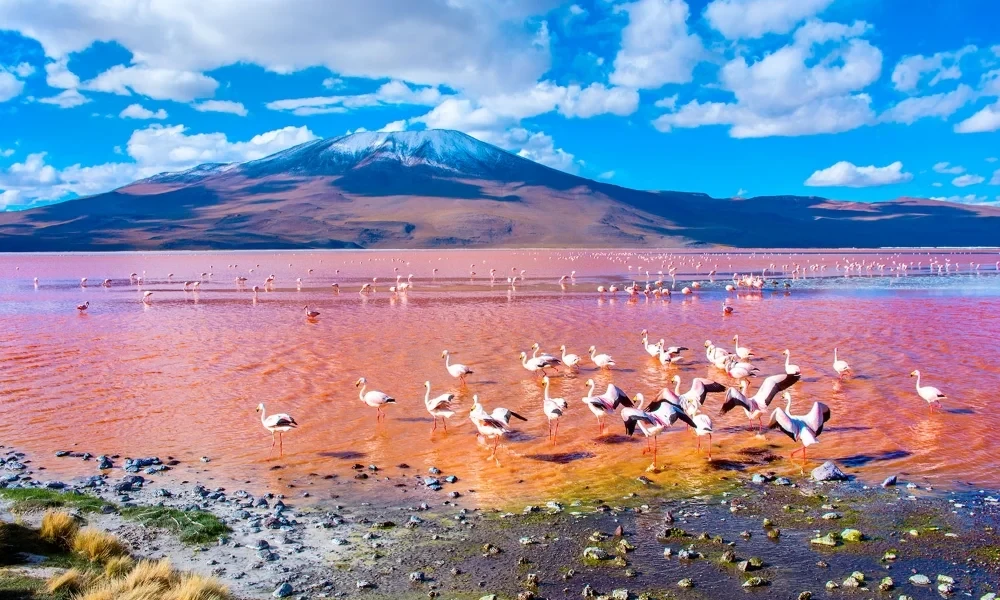
One of the highlights of the tour: reddish hues, natural viewpoints, and flamingo sightings (seasonal).
9) Arrival at the Altiplano Lodge
Dinner and rest in basic accommodation. Cold night: thermal clothing is essential.
Night 1: Basic refuge/hostel in the Altiplano.
DAY 2: Geysers, Hot Springs, Lagoons with Flamingos, Valley of Rocks, Lodging near the Salt Flats
1) Sol de Mañana Geysers
Geothermal area with fumaroles and boiling mud. The cold is usually intense, and the wind is strong.
2) Polques Hot Springs (optional bath)
Stop for a hot bath. Excellent for recharging before continuing the route.
3) High-altitude lagoons and wildlife viewing
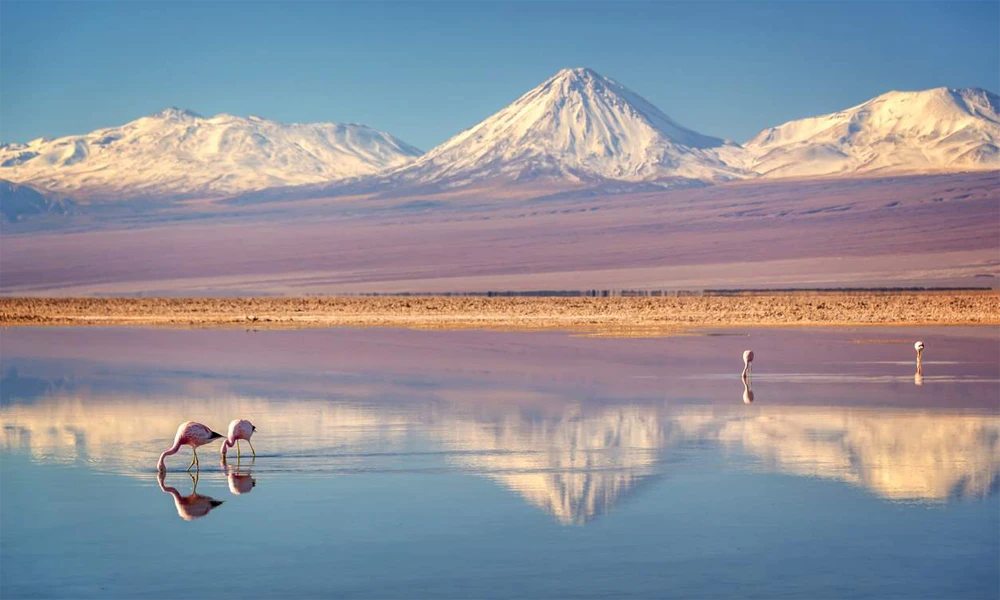
A tour of lagoons where flamingos and Andean birds are often seen, with open views of the high plateau.
4) Valley of Rocks / geological formations
Eroded landscapes that resemble natural sculptures; ideal for photos and short walks.
5) Journey through villages and high Andean routes
Connecting section towards the salt flats with rest stops and cultural landscapes.
6) Arrival at accommodation near the salt flats
Dinner and preparation for the most anticipated day: the Uyuni Salt Flats.
Night 2: Basic hostel or salt hotel (depending on package/availability).
DAY 3: Uyuni Salt Flats – Perspective Photos – Incahuasi Island – Uyuni
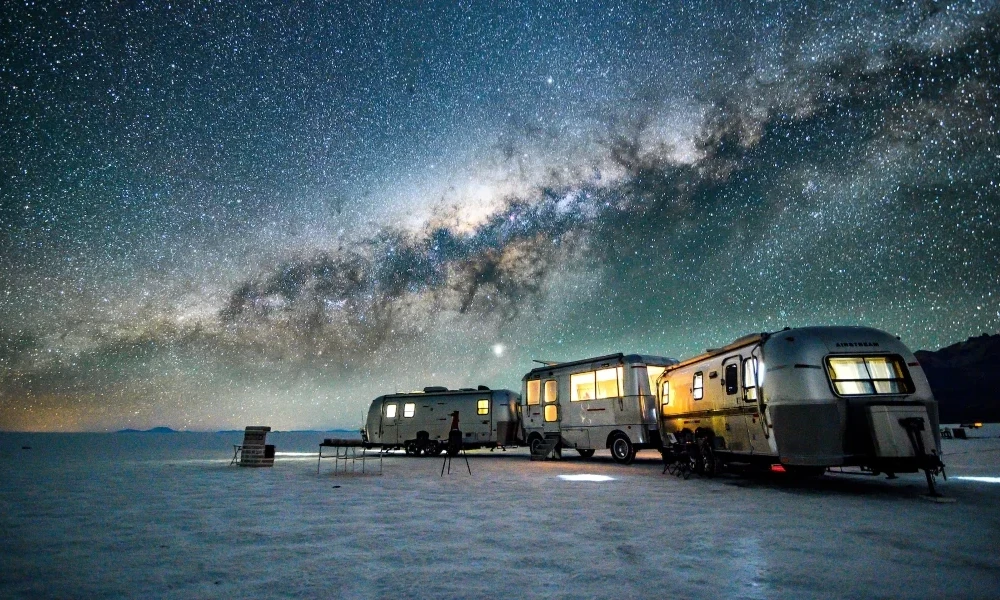
1) Entrance to the Uyuni Salt Flats
Tour of the world’s largest salt desert.
- Dry conditions: hexagonal patterns and an infinite horizon.
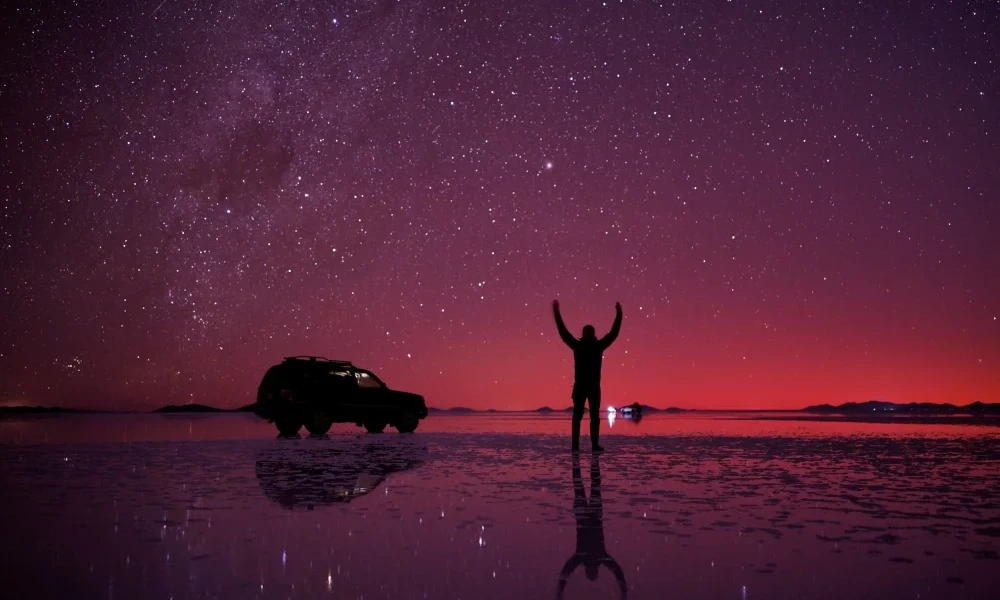
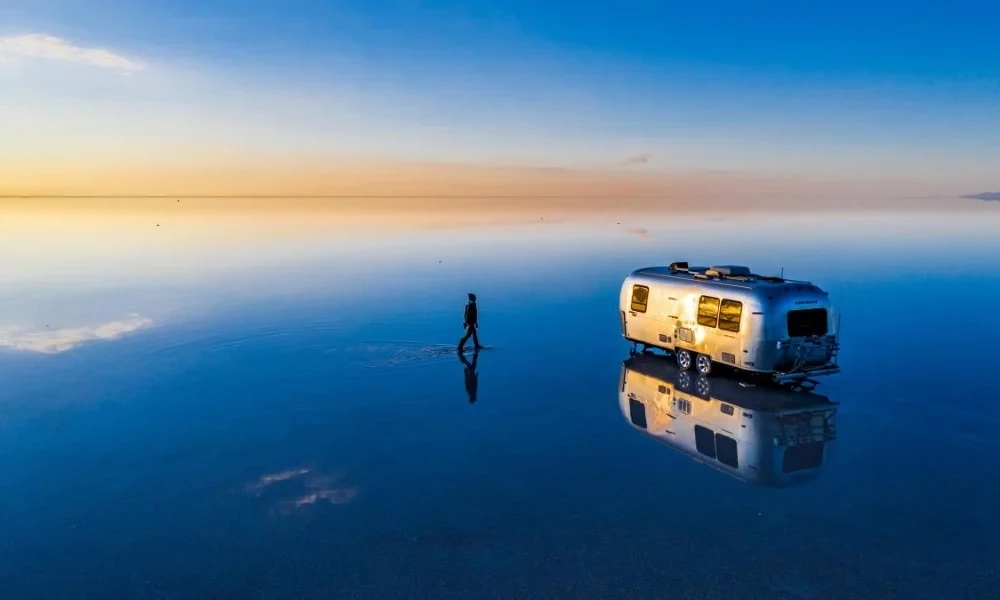
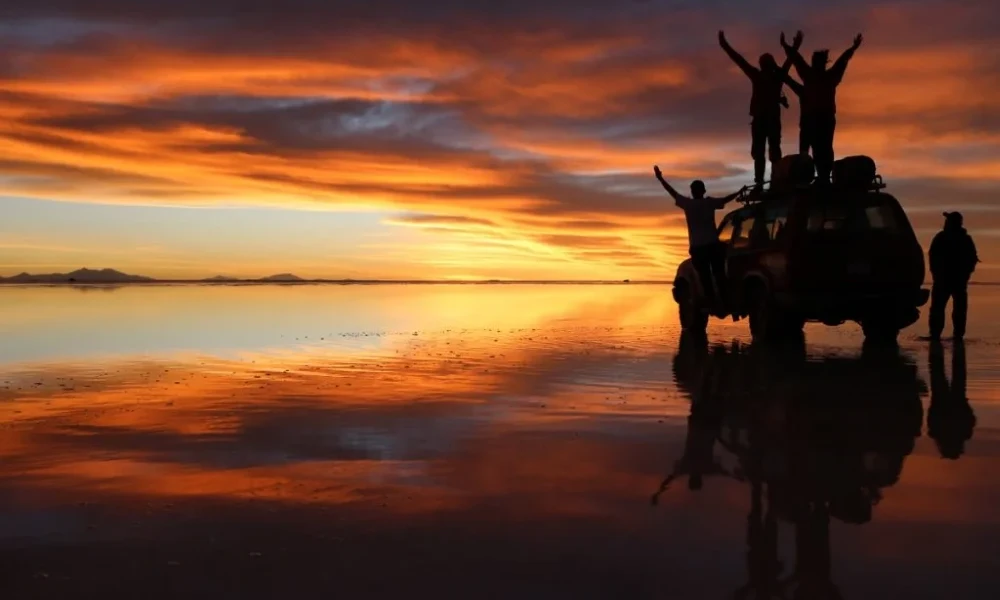
- During rainy season: mirror effect (if there is a layer of water).
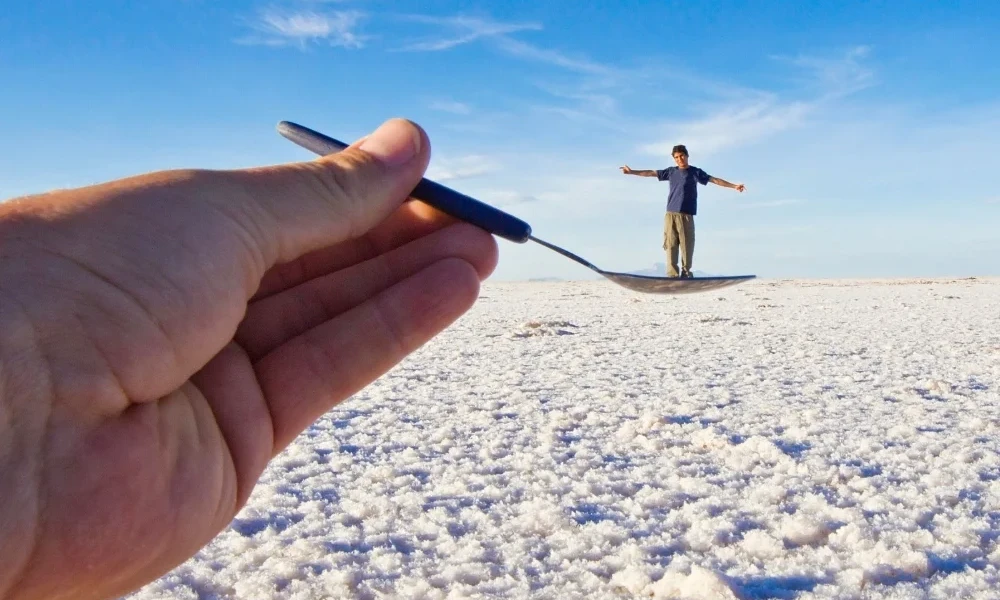
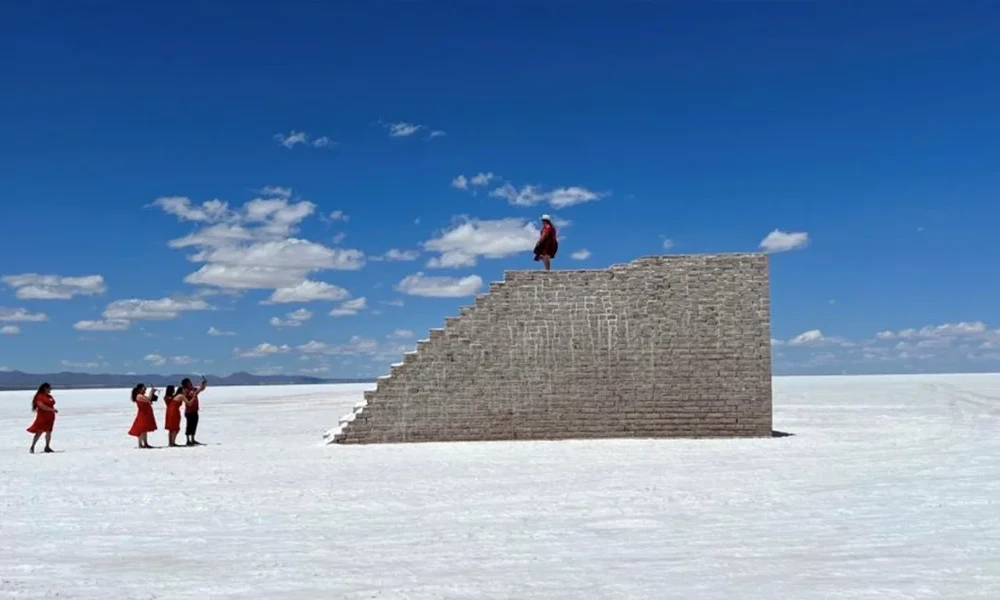
2) Photo Stops and Perspective
Time for creative photos taking advantage of the vastness of the salt flats (playing with distance and perspective).
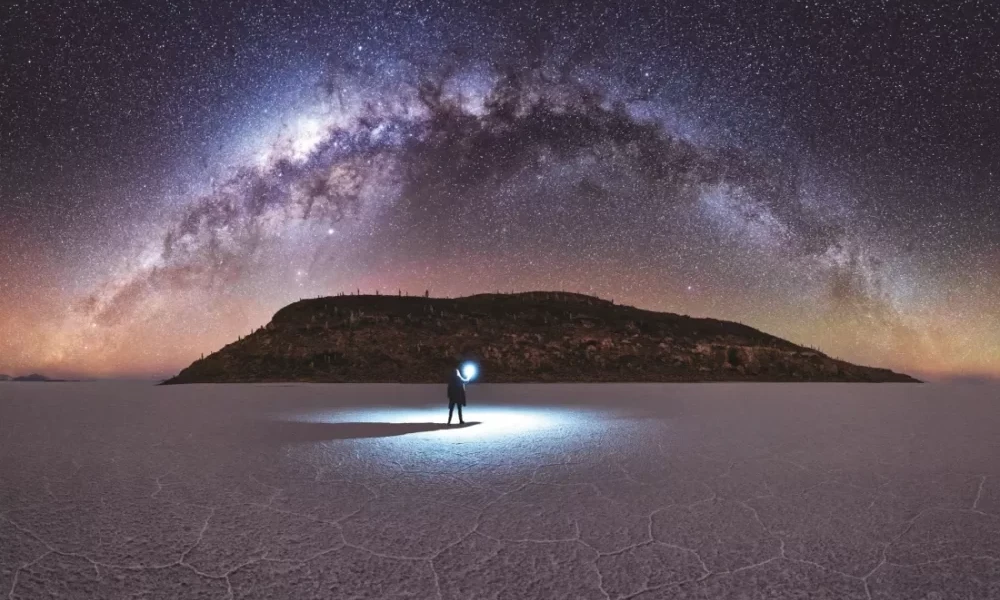
3) Incahuasi Island (if open)
Giant cacti and a 360° viewpoint. May not be available during the rainy season due to water levels.
4) Iconic Spots of the Salt Flats
Traditional stops for souvenir photos and the end of the tour.
5) Arrival in Uyuni
End of the tour and connection to transportation, flights, or additional tours.
INCLUDES
✅ What’s included?
🚙 Transport and Logistics
- Transport Shared 4×4 vehicle tour throughout the Bolivian tour
- Transfers according to the route: San Pedro de Atacama Uyuni
- Coordination and assistance at the border crossing (depending on the operator)
👤 Guide and assistance
- Local driver-guide throughout the tour
- On-route assistance
- Basic first-aid kit and, in some cases, supplemental oxygen(depending on the operator)
🏨 Accommodation (2 nights)
- 2 nights in basic lodging (refuges/hostels)
- Shared or private rooms depending on the option
- Possible salt hotel stay for one night (depending on the package and availability)
🍽️ Meals
- 2 breakfasts
- 2 lunches
- 2 dinners(simple and energizing menu, subject to local availability)🗺️ Main visits
Laguna Verde/Blanca, Dalí Desert, Hot Springs (optional), Stone Tree, Laguna Colorada, Geysers, Polques Hot Springs, high-altitude lagoons, Salt Flats Uyuni, Incahuasi (if available).
DOES NOT INCLUDE
❌ What is not included?
🎟️ Entrance Fees and Charges
- Entrance to the Eduardo Avaroa Andean Fauna National Reserve (cash payment only)
- Entrance to Incahuasi Island (if applicable)
- Immigration fees or additional costs depending on nationality
🥤 Food and Extras
- Bottled drinks (additional water, soft drinks, sports drinks)
- Personal snacks during the tour
- Alcoholic beverages
🛏️ Personal Equipment
- Sleeping bag (some agencies offer optional rental)
- Hot water towel
- Personal hygiene items
🩺 Insurance and Personal Expenses
- Travel insurance or medical insurance
- Personal medication or medication for altitude sickness
- Tips for the driver/guide
- Personal expenses and local purchases
🧾 Unspecified Services
- Services not explicitly mentioned in the “What’s Included?” section
- Route changes due to weather that involve additional costs not covered by the operator
RECOMMENDATIONS
Recommendations
1) Acclimatization and altitude (most important)
- Ideally: spend 1–2 nights in San Pedro de Atacama before the tour (or arrive already acclimatized).
- Hydration: drink water in small sips throughout the day (without overdoing it). Avoid alcohol the night before.
- Food: light meals with carbohydrates (soups, rice, pasta).
- Common symptoms: headache, mild nausea, fatigue, loss of appetite.
- Warning: severe pain that does not subside, difficulty breathing at rest, confusion, persistent vomiting notify the guide and prioritize medical attention.
2) What to wear (layers are essential)
- Base layer: thermal shirt + thermal leggings.
- Mid-layer: fleece or light jacket.
- Outer layer: windproof and waterproof jacket.
- Key accessories: gloves, hat, buff, thermal socks.
- Footwear: boots or closed shoes with good soles; the cold is felt more in the feet.
3) Dry season vs. “mirror effect”
- Dry season: the salt flats display hexagonal patterns and an infinite horizon; routes are more stable.
- Rainy season: the mirror effect appears (perfect postcard view), but there may be closures or route changes; Incahuasi is sometimes not accessible.
4) Luggage and things almost no one considers
- Small backpack: passport, cash, sunglasses, sunscreen, snacks, power bank.
- Waterproof bag: to protect camera/cell phone from salt water or dust.
- Power bank + chargers: the cold drains the battery quickly.
- Toilet paper + hand sanitizer: limited restrooms along the route.
- Small towel + change of clothes: if you plan to visit hot springs.
5) Money and payments
- Bring cash (Bolivianos and/or soles/dollars for exchange). In the highlands, it’s common to find no POS terminals or stable cell service.
- Keep cash in more than one place (inside pocket + backpack).
6) Practical Health and Safety
- Sunscreen + UV sunglasses + lip balm with SPF: the glare from the salt flats is intense.
- Walk slowly in high-altitude areas: avoid rushing at viewpoints.
- Always follow the guide’s instructions: don’t get too close to geysers and hot mud areas.
7) Realistic Tour Expectations
- It’s an incredible, but rustic, experience: basic accommodations, cold weather, changes due to the climate, and long stretches in 4×4 vehicles.
- Those who enjoy it most are those with an adventurous and flexible mindset.
FAQs
❓ Frequently Asked Questions about the Salar de Uyuni Tour from San Pedro de Atacama
1) What documents do I need?
Generally, a passport and compliance with immigration requirements based on nationality. Keep your documents readily available.
2) Do you change vehicles at the border?
Almost always, yes. You continue with a 4×4 and Bolivian logistics.
3) Is it very cold?
Yes, especially at dawn and at the geysers. Layering is key.
4) Is the mirror effect always visible?
It’s not 100% guaranteed. It depends on recent rainfall and the water level in the salt flats.
5) Is Incahuasi always visited?
No. It may be closed or inaccessible during rainy periods.
6) What are the accommodations like?
Basic (refuges/hostels). Simple amenities and limited showers in some cases.
7) Is there cell service or Wi-Fi?
Generally not for most of the trip. Some accommodations may have weak signal.
8) What meals are provided?
Simple meals (soup, rice/pasta, protein). If you have a special diet, please let them know in advance.
9)Is it suitable for children?
It’s not the most recommended option due to the altitude and cold. It depends on age and health.
10) What happens if there’s bad weather?
The route may be adjusted for safety. In case of rain, there may be detours or partial closures.