

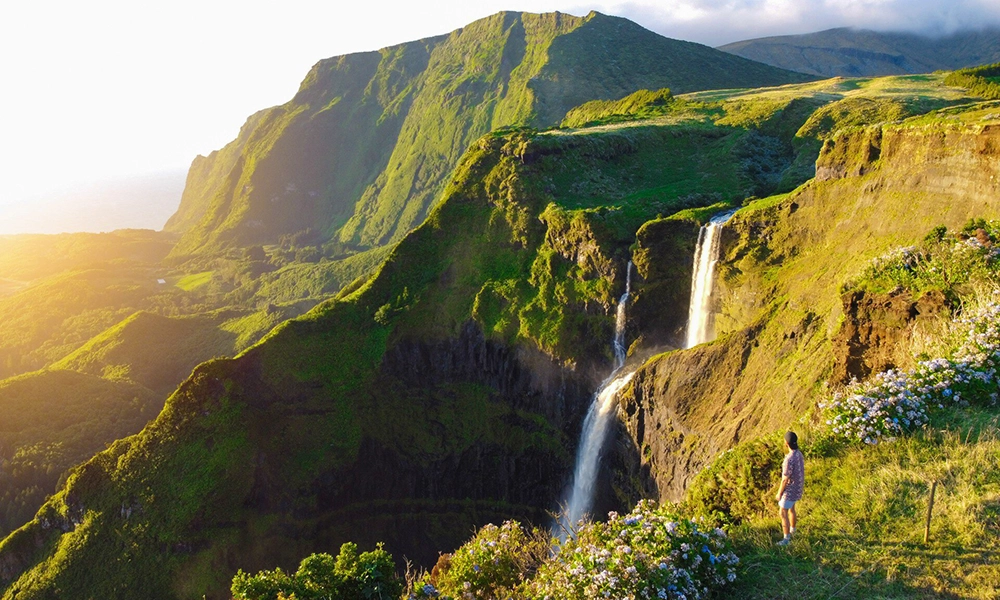
Tariquía National Reserve of Flora and Fauna
The Tariquía National Reserve of Flora and Fauna is one of the largest, most biodiverse, and least explored natural destinations in southern Bolivia. Designed for travelers seeking clear information before venturing out, this guide will help you understand what the trip is like, what to expect from the environment, how to prepare, and why Tariquía is an ideal destination for ecotourism, responsible exploration, and direct contact with nature.
🌎 Why choose Tariquía as your travel destination?
Traveling to Tariquía is not just visiting a protected area; it’s immersing yourself in a living territory where nature sets the pace. Unlike other tourist destinations, you won’t find large infrastructures or marked trails here, making for an authentic experience, ideal for:
- Travelers interested in unspoiled nature
- People who enjoy hiking and exploration
- Birdwatchers and wildlife enthusiasts
- Natural landscape photographers
- Travelers who value responsible and community-based tourism
📍 Location and context of the trip
The reserve is located in the department of Tarija, in southern Bolivia, in an ecological transition zone between the Andes, the Yungas, and the Chaco Serrano. This location creates a rare contrast of landscapes: humid, mist-shrouded mountains, deep valleys, crystal-clear rivers, and warmer areas with dry vegetation.
The protected area covers more than 240,000 hectares, which explains the great diversity of climates, altitudes, and ecosystems that travelers can encounter, even on a single trip.
🗺️ How to get to the Tariquía Reserve
🚗 Starting point: Tarija
The city of Tarija is the most common base for organizing your trip.
From Tarija:
- Take the road south towards Padcaya or other communities near the reserve.
- The journey includes both paved and unpaved sections.
- Travel time varies between 3 and 6 hours, depending on the chosen access route and road conditions.
📌 Important tip: Not all areas of the reserve are easily accessible. It is recommended to coordinate in advance with local communities or guides familiar with the area.
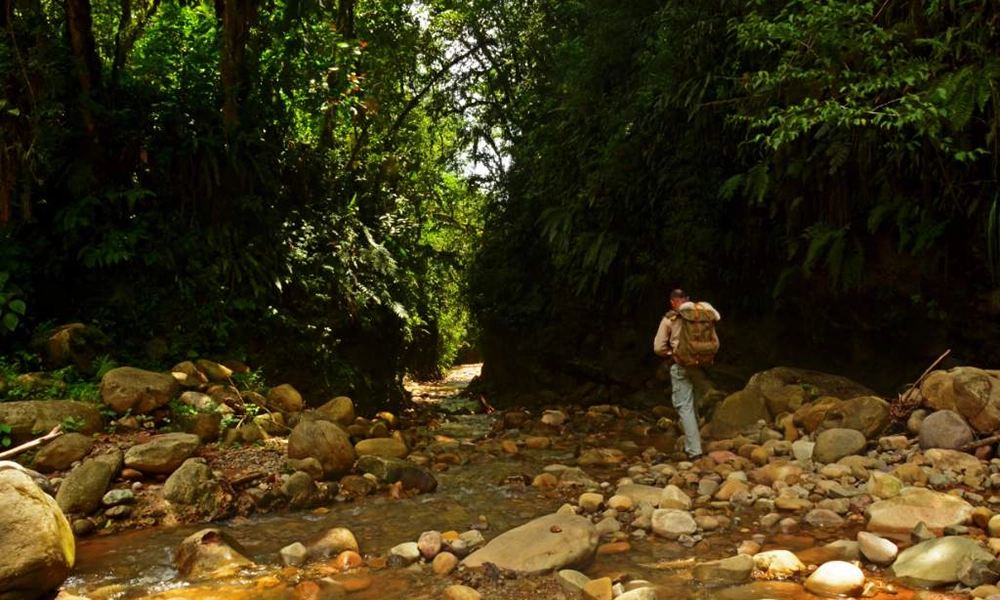
🌦️ Climate and Best Time to Travel
The climate in Tariquía changes significantly with altitude:
☀️ Dry Season (May to September)
- Best time to visit
- More stable trails
- Cool days and cold nights
- Ideal for long hikes and wildlife viewing
🌧️ Rainy Season (November to March)
- Greener landscapes and faster-flowing rivers
- Slippery or impassable trails
- More insects
- Recommended only for experienced travelers
✅ Most recommended months: June, July, and August
🌳 Landscapes and ecosystems you’ll see on your trip
🌿 Cloud forests
Dense forests predominate in the highlands, with trees covered in moss, giant ferns, and orchids. Frequent mist creates a quiet and mystical atmosphere, ideal for contemplative walks.
🌳 Tucumán-Bolivian Forest
This ecosystem is one of the most important in South America and one of Tariquía’s main conservation assets. A large part of the region’s plant and animal biodiversity is concentrated here.
🌵 Transition Zones to the Chaco
In lower-lying areas, the landscape gradually changes to dry forests, with warmer temperatures and vegetation adapted to water scarcity.
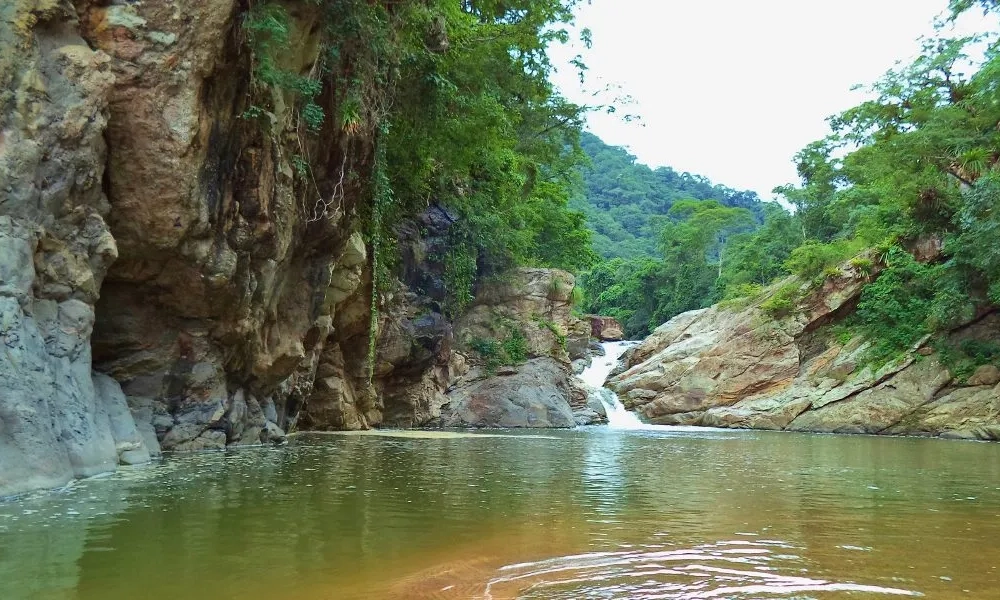
🐾 Wildlife You Might Find
Although many animals are elusive, Tariquía is home to extraordinary wildlife:
- Mammals such as puma, jaguar, Andean bear, deer, and foxes
- A great diversity of birds, ideal for birdwatching
- Amphibians and reptiles associated with rivers and wetlands
- Pollinating insects and indicator species of healthy ecosystems
📷 Observation requires patience, silence, and respect for the environment.
🥾 Recommended Activities for Travelers
🚶♂️ Hiking and Exploration
The hikes don’t follow established tourist routes. They explore natural trails, community paths, and riverbanks, making each experience unique.
🦜 Birdwatching
Tariquía is one of the best places in southern Bolivia to observe rare birds, especially in cloud forests and transition zones.
📸 Nature Photography
The contrasts of light, mist, rivers, and vegetation offer unique opportunities for landscape and wildlife photography.
🧑🌾 Community Experiences
Some communities offer the opportunity to learn about:
- Traditional agriculture
- Use of medicinal plants
- Andean rural life
- Simple and authentic local cuisine
🏕️ Where to sleep and services
It’s important to know that:
- There are no tourist hotels within the reserve.
- Options include basic rural lodging or family accommodation.
- Camping is only permitted with responsible local authorization.
⚠️ There is no stable cell phone signal or shops within the reserve.
🎒 What to bring for the trip
- Comfortable and warm clothing
- Hiking boots or waterproof shoes
- Rain poncho
- Drinking water and snacks
- Flashlight or headlamp
- Insect repellent and rain gear
- Personal first-aid kit
- Camera or cell phone with extra battery
🌱 Basic rules for responsible tourism
- Leave no trash
- Do not remove any flora or fauna
- Respect the tranquility of the area
- Ask permission to enter communities
- Do not light campfires without authorization
Tariquía is a fragile area, and your behavior as a traveler is essential.
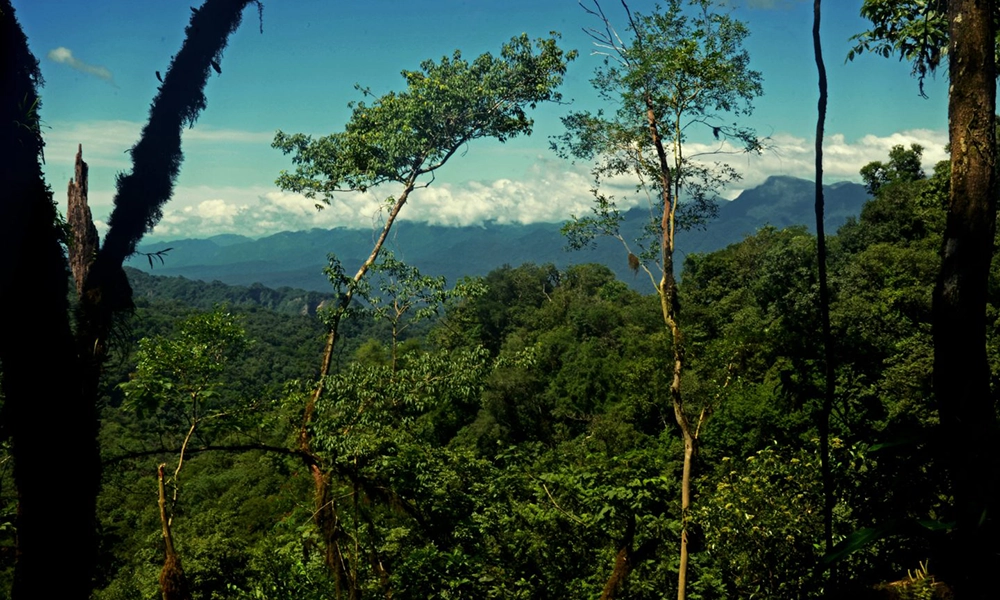
🌍 Is Tariquía a destination for you?
The Tariquía National Reserve of Flora and Fauna is ideal for those seeking to travel slowly, disconnect from the noise, and connect with nature. It is not a conventional tourist destination, but rather a profound, educational, and transformative experience.
Traveling to the Tariquía National Reserve of Flora and Fauna is discovering one of Bolivia’s last great natural refuges. A destination that demands preparation, respect and curiosity, but rewards with untouched landscapes, exceptional biodiversity and an authentic connection with the land.