

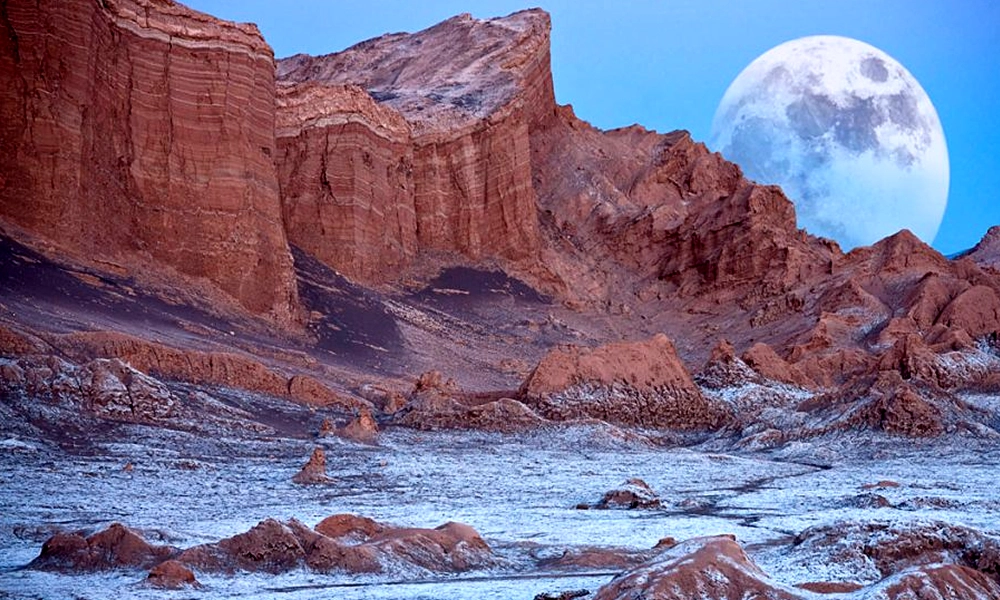
Valley of the Moon
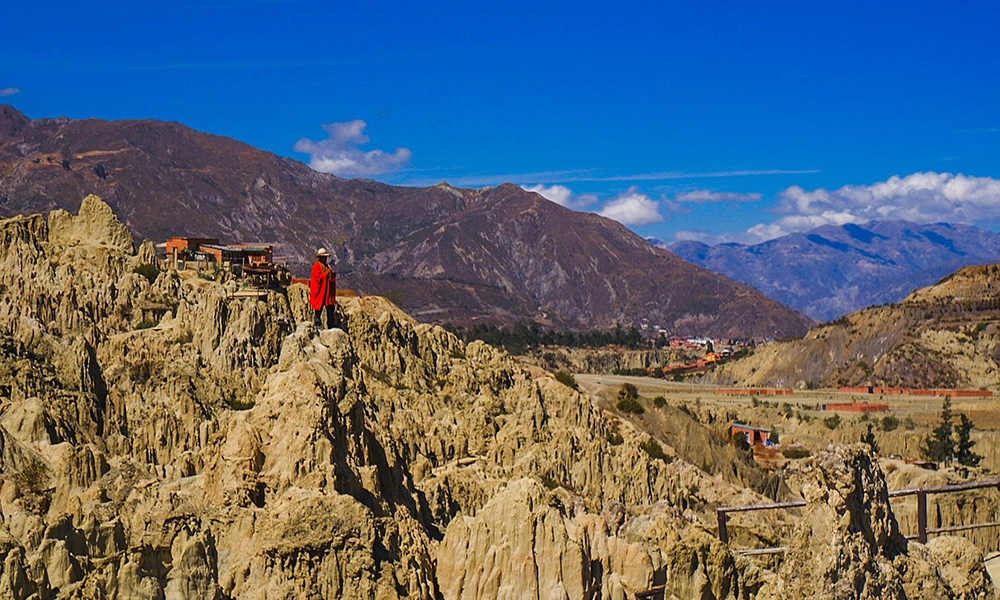
The Valley of the Moon is one of the most fascinating and mysterious destinations near La Paz, Bolivia. Located just 10 km southwest of the city, this spectacular landscape of unique rock formations has been compared to a lunar landscape, hence its name. The valley is a natural park filled with strange geological formations, canyons, and trails that invite exploration.
With its surreal scenery and proximity to the city, the Valley of the Moon has become one of La Paz’s top tourist attractions, ideal for those who want to disconnect from the hustle and bustle of the city and immerse themselves in Bolivia’s natural beauty.
📍 Where is the Valley of the Moon?
The Valley of the Moon is located about 10 km southwest of La Paz, on the road leading to the Mallasa area. This proximity to the city makes the site easily accessible for a short trip.
Address:
- Location: Valley of the Moon, Mallasa, La Paz, Bolivia
- Access: Paved road from La Paz
You can get there by taxi, public transport, or even private vehicle. There are also organized tour options that include transportation from the city.
🕰️ Geological History of the Valley of the Moon
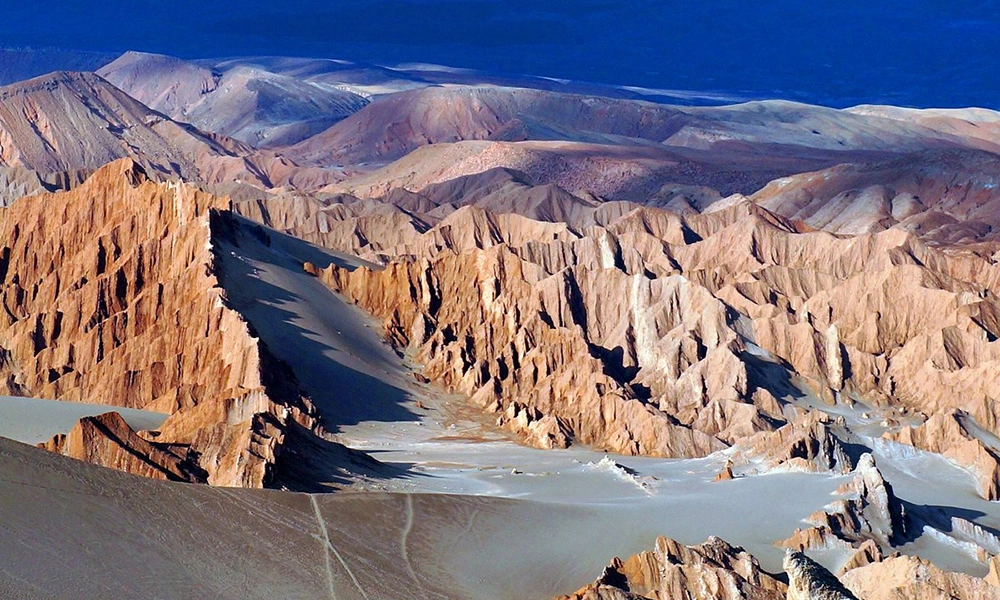
The Valley of the Moon is the result of millions of years of erosion and natural phenomena that have shaped its unique rock formations. This geological phenomenon has been sculpted primarily by wind and water, which have carved the clay rocks, creating a series of peaks and canyons that seem otherworldly.
- Formation: The valley’s rocks are made of clay and sandstone, which allows them to be easily shaped by erosive agents.
- Evolution: The erosion process has given rise to earth towers, cones, and deposits that have crumbled over the centuries, leaving a surreal landscape.
The valley was formed approximately 60 million years ago, when geological conditions favored the accumulation of clay sediments that were subsequently shaped by erosion. The lack of vegetation in the valley accentuates its desert-like, lunar appearance.
🌿 Flora and Fauna in the Valley of the Moon
Although the Valley of the Moon has an arid and rocky environment, it still harbors some species adapted to the region’s climate. Vegetation is sparse and limited to species of cacti, shrubs, and some native grasses.
Notable Flora:
High-altitude cacti: species resistant to arid conditions.
Small plants: grasses adapted to low humidity and extreme temperatures.
Fauna:
Although the fauna is not very diverse due to the arid environment, some local species can be seen:
- Regional birds, such as Andean gulls and small birds.
- Small rodents adapted to areas with low vegetation.
- Insects such as butterflies and beetles.
🏞️ What to See in the Valley of the Moon
The Valley of the Moon offers a stunning landscape of rock formations and hiking trails. Some of the main attractions you can explore are:
1) Unique Rock Formations
- The valley’s natural rock formations are the true stars of the place. Among them are:
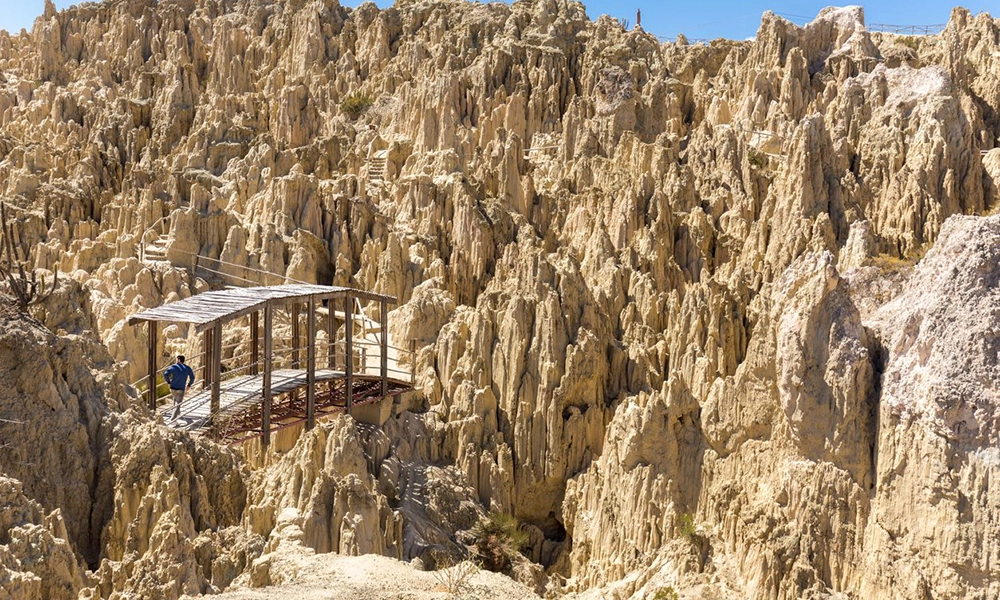
- Clay towers: tall, pointed formations that resemble natural columns.
- Canyons: deep ravines sculpted by erosion.
- Peaks: earthen structures that rise from the ground, mimicking mountains and peaks.
- Moon-like formations: hence the valley’s name.
2) Hiking Trails
Moon Valley has a series of trails that allow visitors to walk among the rock formations, some of which lead to natural viewpoints offering panoramic views of the entire valley.
3) Panoramic Viewpoints
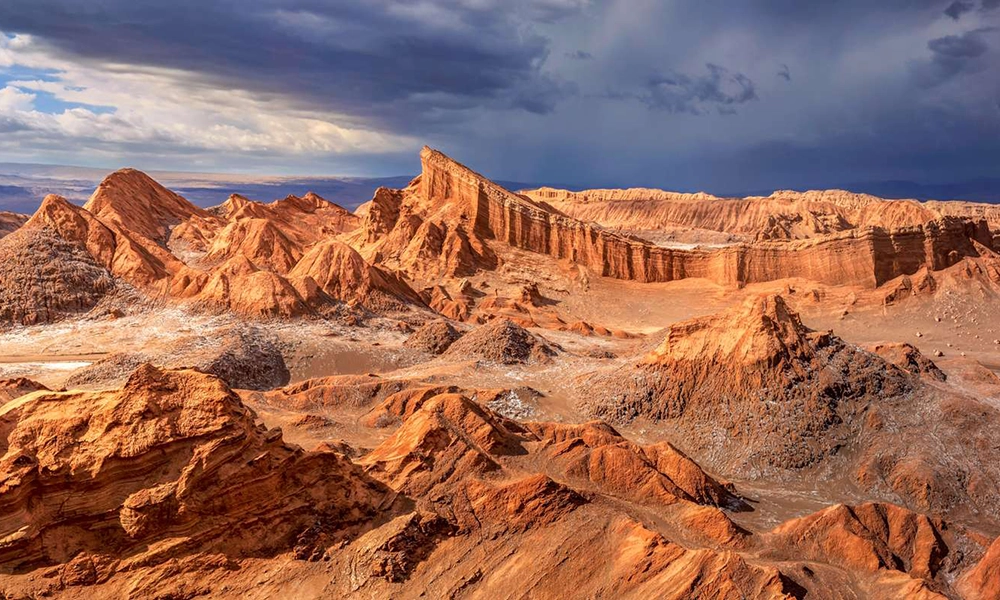
From various points within the valley, you can enjoy panoramic views that allow you to appreciate the vastness of the area, its formations, and the surrounding landscape. The contrast of colors between the sky, the rocks, and the shadows makes the visit a visually stunning experience.
4) City Views
From the highest viewpoints, you can see the city of La Paz and its surroundings, making the Valley of the Moon an ideal spot for taking photos of both the valley and the city.
🌦️ Climate in the Valley of the Moon
The climate of the Valley of the Moon is dry and cold, typical of the Bolivian highlands. The temperature can vary considerably between day and night.
Average Temperatures:
- Day: 15°C to 20°C
- Night: -2°C to 5°C
The climate is generally dry, with little rainfall, but wind is frequent, especially in the afternoon.
📅 Best Time to Visit the Valley of the Moon
The best time to visit the Valley of the Moon is during Bolivia’s dry season, which runs from May to October. During these months, rainfall is minimal, the weather is more pleasant for hiking, and the rock formations are easier to appreciate.
Recommended Season:
- May to October: dry season with clear skies and pleasant temperatures.
- November to March: rainy season, with possible landslides and slippery roads.
🧭 Activities You Can Do
Moon Valley is a place to enjoy nature and the tranquility of the Andean region. Here are several activities you can do:
1) Hiking
Exploring the trails within the valley is a popular activity. It’s a leisurely walk that allows visitors to explore the area, take their time to take photos, and observe the rock formations.
2) Photography
Moon Valley is an incredible place for photographers. The geological formations, the changing light, and the color contrasts between the rocks, the sky, and the shadows offer endless opportunities to capture stunning landscapes.
3) Wildlife Observation
Although the wildlife isn’t very diverse, you can see some species of birds, insects, and small mammals while exploring.
💰 Prices and Approximate Costs
Entrance to the Valley of the Moon has a symbolic and accessible cost for most tourists.
Entrance Fees:
- Foreigners: Approximately Bs. 15 – 20
- Locals: Reduced rate of Bs. 5 – 10
- Guided Tours: Some tours from La Paz include a visit to the Valley of the Moon and other nearby sites, with an approximate price of USD 20 – 40.
❓ Frequently Asked Questions (FAQs)
1) How long does it take to visit the Valley of the Moon?
A visit to the Valley of the Moon generally takes between 1 and 2 hours, depending on the time spent hiking and taking photos.
2) Is it accessible for people with reduced mobility?
Hiking along the trails is not completely accessible, as the terrain is uneven, but access to the main viewpoint is relatively easy.
3) Can it be visited in a single day?
Yes, the Valley of the Moon is a half-day trip from La Paz. It can be combined with other nearby attractions, such as the Valley of the Souls or the Killi Killi Viewpoint.
4) Is it safe to hike the trails?
Yes, but it’s important to be cautious due to the uneven terrain and the risk of slipping on the rocks.
5) Is camping allowed in the Valley of the Moon?
Camping is not permitted within the park, as it is a conservation area.
✅ Final Recommendations
- Wear comfortable clothing for hiking and protection from the cold.
- Bring sunscreen, as the sun’s rays are intense at the Altiplano.
- Stay well hydrated, especially if you are used to warmer climates.
- Don’t forget your camera to capture the breathtaking views.
The Valley of the Moon is one of the most stunning and accessible destinations near La Paz. Its surreal landscape, unique rock formations, and tranquil atmosphere make it the perfect place for a quick getaway or a leisurely hike amidst the Andean wilderness. Whether for hiking, photography, or simply soaking up the peace, the Valley of the Moon is a must-see for travelers visiting Bolivia.