

Inca’s Eye: Potosí’s Sacred Thermal Lagoon Where Water Springs from the Heart of the Andes
The Inca’s Eye is one of the most enigmatic and fascinating natural sites on the Bolivian altiplano. Located in the town of Tarapaya, a few kilometers from the city of Potosí, this thermal spring stands out for its almost perfectly circular shape, its warm waters, and the profound symbolic significance it carries from pre-Hispanic times.
It is not just a spa or merely a geological curiosity: the Inca’s Eye is a place where nature, history, Andean spirituality, and physical relaxation intersect, making it an essential visit for those who wish to experience the most intimate and ancestral side of Potosí.
📍 Strategic Location and Andean Setting
The Inca’s Eye is located approximately 21–25 km from the city of Potosí, within the Tarapaya thermal complex. Journey is short and accessible, making it easy to visit as a half-day or full-day excursion, ideal for complementing historical tours of the city.
The surroundings are typical of the Andean highlands:
- wide open plains,
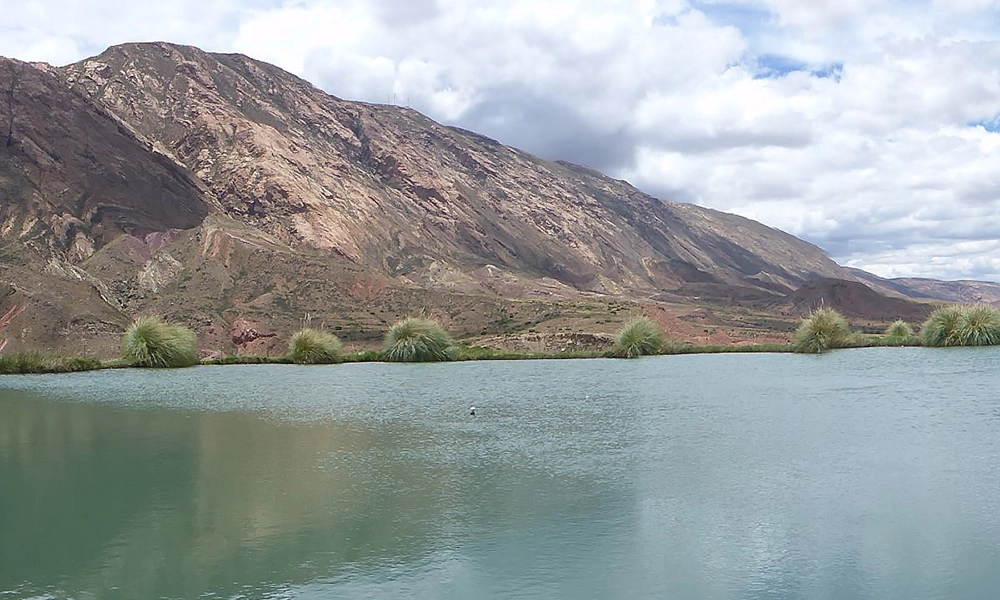
- gentle, ochre-hued hills,
- pure, dry air,
- and intensely blue skies for much of the year.
This landscape creates an immediate sense of disconnection and calm, perfect for a deeply relaxing experience.
🌡️ Geological Origin and Unique Characteristics
- 🔵 A Perfect Shape that Arouses Mystery
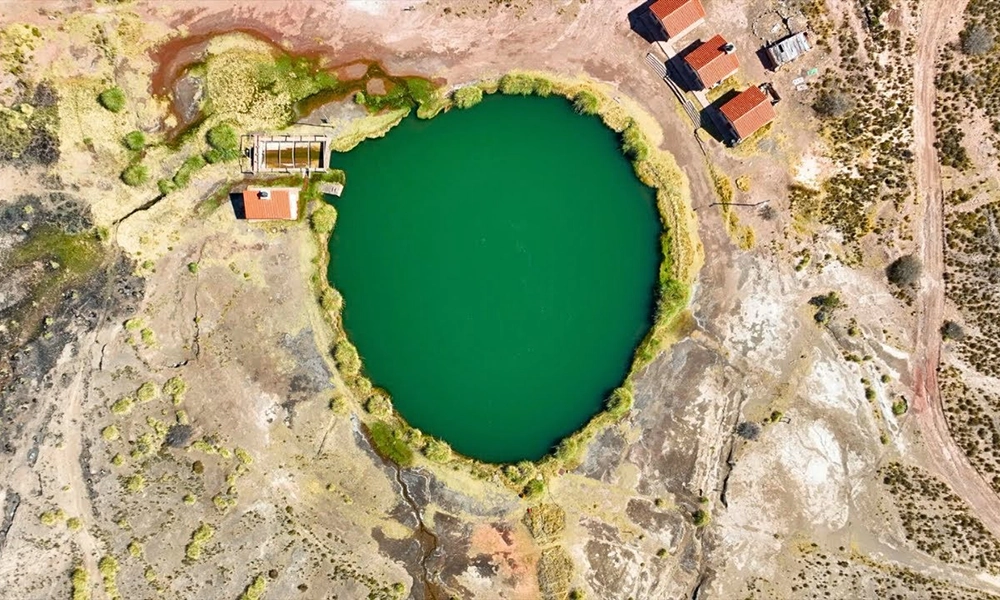
What makes the Inca’s Eye unique is its almost perfectly circular shape, with an approximate diameter of 50 meters. From above, the lagoon literally looks like an open “eye” on the earth, which has fueled symbolic interpretations for centuries.
Geologically, it is a thermal spring fed by underground waters that emerge through fractures in the terrain, heated by the earth’s internal activity.
- ♨️ Water Temperature and Composition
The waters of the Inca Eye have temperatures ranging from 35°C to 40°C, especially in the central area, where the heat is most intense. This temperature is ideal for:
- relaxing muscles,
- relieving joint tension, and
- counteracting fatigue caused by the altitude.
The contrast between the warm water and the cool climate of the Potosí region is one of the most memorable sensations of the place.
🏺 Ancestral History and Andean Cosmovision
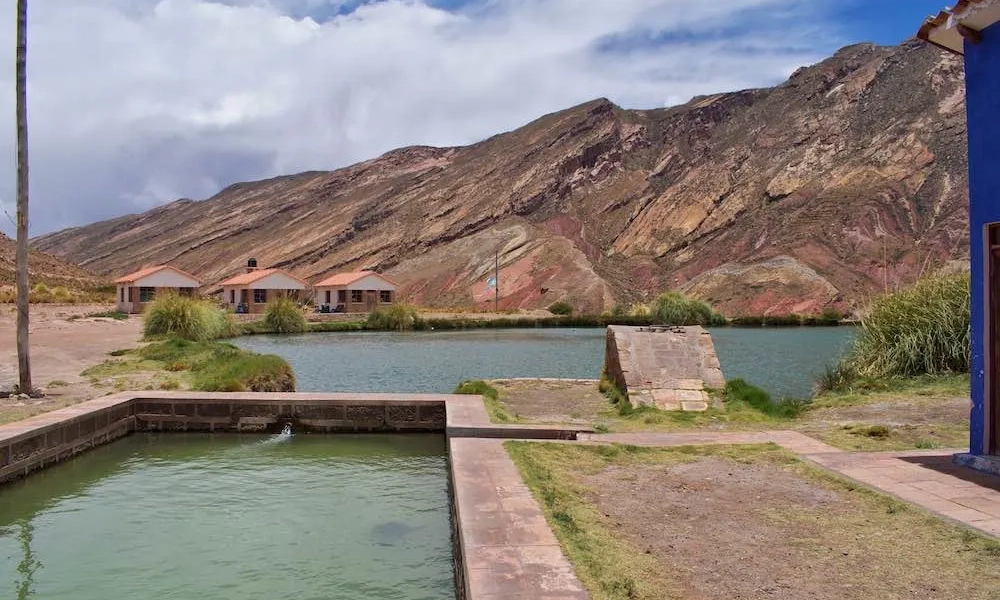
The name “Eye of the Inca” is no coincidence. In Andean oral tradition, this spring was used by the Incas as a place of rest, purification, and ritual observation. For pre-Hispanic cultures, water was a sacred element, directly linked to life, fertility, and Pachamama (Mother Earth).
According to local legends:
- the Inca could “see” the balance of the world through this spring,
- the spring was a gift from the earth to heal the bodies of travelers and warriors,
- and its perfect shape was a sign of harmony between the upper, earthly, and subterranean worlds.
These narratives reinforce the spiritual and symbolic nature of the Eye of the Inca, which is still respected by local people today.
♨️ The Bathing Experience: More Than Relaxation
- 🧖♀️ A Natural Ritual of Rest
Immersing yourself in the Inca’s Eye is an experience that goes beyond a simple bath:
- the body relaxes almost immediately,
- breathing slows,
- the steam rises gently, creating an almost ceremonial atmosphere.
It is recommended to enter gradually, stay for a few minutes, get out to rest, and then re-enter, allowing the body to adapt smoothly.
🌬️ Andean Thermal Contrast
One of the most intense moments occurs upon exiting the water: the cool air of the high plateau stimulates circulation and generates a revitalizing sensation. Therefore, it is essential to dry off quickly and dress warmly.
🌄 What to do at the Inca’s Eye and surroundings
🚶♂️ Gentle walks
- The surroundings allow for short walks, ideal for:
- balancing body temperature,
- enjoying the scenery,
- observing the tranquility of the high plateau.
📸 Photography and contemplation
The Inca’s Eye is especially photogenic:
- in the morning, when the mist rises in the soft light,
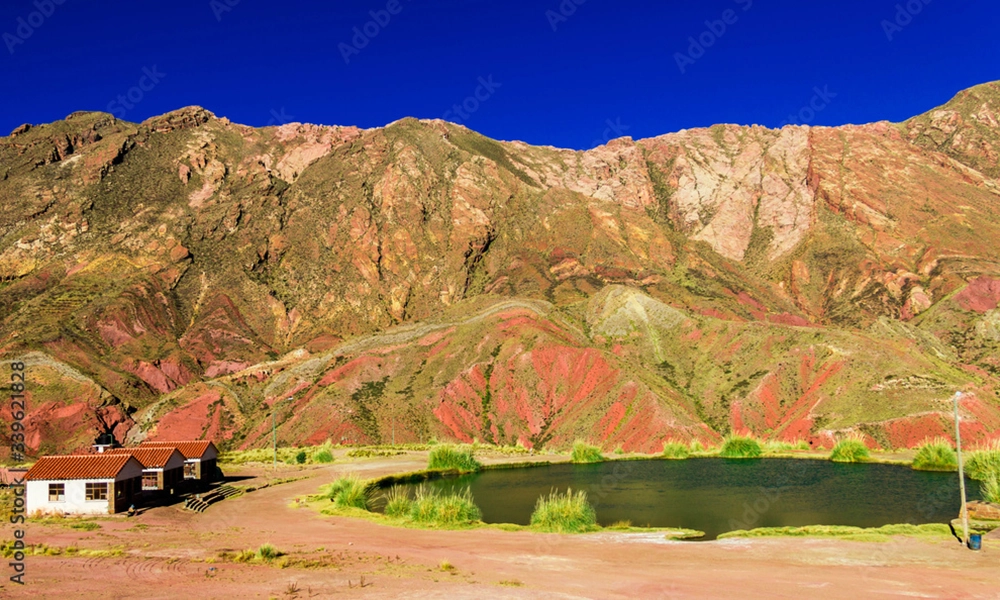
- at midday, with the contrast between the blue of the sky and the ochre tones of the terrain.
🧘♀️ Well-being and mindful pause
Many visitors use this space as a moment of spiritual respite, ideal for winding down after demanding days at altitude or preparing their bodies before continuing their journey.
🚐 How to get to the Inca Eye
- From Potosí: Taxi or private transport is the most direct option.
- On an organized tour: Very common as a half-day excursion along with the Tarapaya hot springs.
- Travel time: Less than one hour.
Its proximity to Potosí makes the Inca Eye one of the most accessible nature getaways in the region.
🌤 Climate and best time to visit
The climate is cold and dry, characteristic of the Altiplano:
- Sunny days with intense radiation,
- Cool afternoons,
- Cold nights year-round.
Best time:
Morning or midday, when the sun helps to mitigate the temperature difference after leaving the water.
🎒 What to bring for a comfortable visit
- Towel
- Change of clothes
- Sandals
- Warm jacket
- Sunscreen and hat
- Water to stay hydrated
- Bag for wet clothes
⚠️ Important recommendations
- Do not stay in the hot water for extended periods.
- Avoid entering the water when your body is very cold.
- Change and put on warm clothes immediately after getting out.
- Respect the natural environment and the tranquility of the place.
❓ Frequently Asked Questions
- Is the Inca’s Eye natural or artificial?
It is a natural hot spring, although the surrounding area has been developed for visitors.
- Can it be visited year-round?
Yes, although the experience is more enjoyable during the sunniest hours.
- Is it suitable for children and seniors?
Yes, as long as immersion time and temperature are monitored.
- Does it have a spiritual significance?
In the Andean worldview, it is a space linked to sacred water and harmony with the earth.
✨ Ojo del Inca: Water, Silence, and Ancestral Memory
The Ojo del Inca is not just a thermal lagoon: it is a space of natural and symbolic healing, where the body rests and the mind finds peace. Its perfect shape, its warm waters, and the silence of the high plateau create a profoundly comforting and unforgettable experience.
Visiting the Ojo del Inca is to understand that, in Potosí, history is not only read in colonial stones or deep mines, but also springs from the earth itself, in the form of warm water and ancestral memory.