

La Glorieta Castle: Fantasy, Power, and Romance on the Outskirts of Sucre
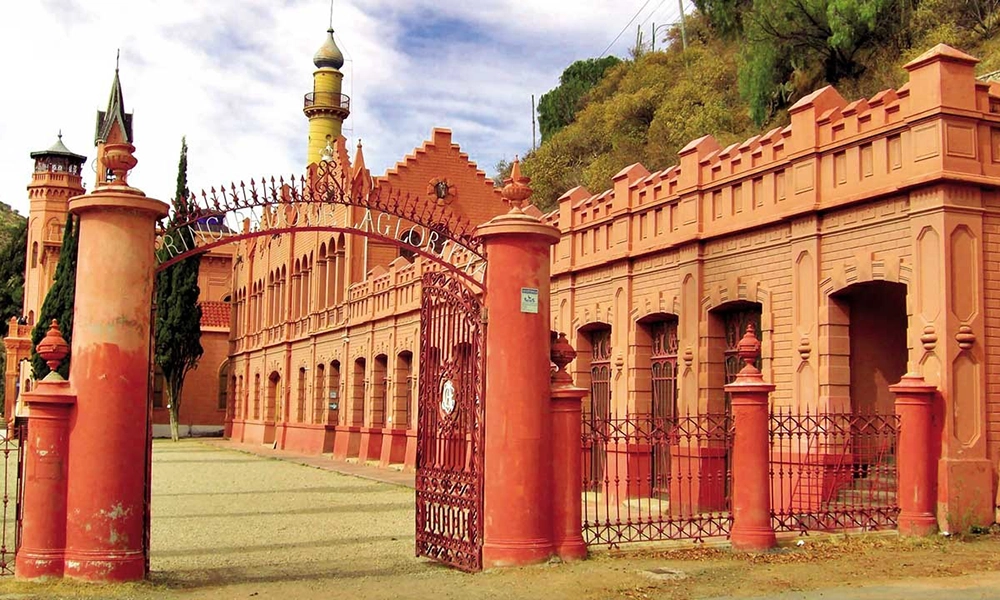
La Glorieta Castle is one of Bolivia’s most unique and striking monuments. Unlike the churches, convents, and colonial mansions that dominate Sucre’s historic landscape, this castle seems straight out of a European fairy tale: pointed towers, exotic domes, monumental clocks, and a blend of styles that clash with everything around it.
But La Glorieta is not just an extravagant building. It is the expression of an era, a fortune, a love story, and a symbolic project unique in South America: the only principality recognized outside of Europe.
🕰️ The Historical Context: Wealth and Prestige at the End of the 19th Century
La Glorieta Castle was built at the end of the 19th century, when Sucre was experiencing a period of economic prosperity driven by mining, banking, and trade. In this context, the figures of Francisco Argandoña, a Bolivian businessman and diplomat, and his wife Clotilde Urioste, members of one of the most influential families of the time, emerge.
Both were recognized for their philanthropy, their close ties to the Church, and their social standing. Their economic power allowed them to realize a dream uncommon in Latin America: to build a residence that embodied prestige, fantasy, and noble distinction.
👑 The Principality of La Glorieta: A Unique Case in South America
One of the most fascinating aspects of the castle is its connection to the so-called Principality of La Glorieta. According to historical tradition, Pope Leo XIII granted Francisco Argandoña and Clotilde Urioste the titles of Prince and Princess of La Glorieta, making this property the symbolic seat of a principality recognized by the Holy See.
Although the principality held no real political power, it did represent an honorary and social recognition, something absolutely exceptional in the American context. This fact greatly contributed to the castle’s fame and legendary aura.
🏗️ Architecture: A Collage of Styles and Symbols
La Glorieta Castle doesn’t adhere to a single architectural style. On the contrary, its design is eclectic and deliberately extravagant, combining influences from various traditions:
- 🏰 Romanesque and Gothic (arches, towers, battlements)
- 🕌 Moorish and Arabic (decorative details and arches)
- 🏛️ Byzantine (domes and rounded forms)
- 🇷🇺 Russian (onion domes)
- 🇬🇧 Victorian (Big Ben-style clock)
This mix wasn’t accidental: it sought to convey the idea of a “universal” castle, worthy of an imagined but symbolically powerful royalty.
🗼 The Towers: Icons of the Castle
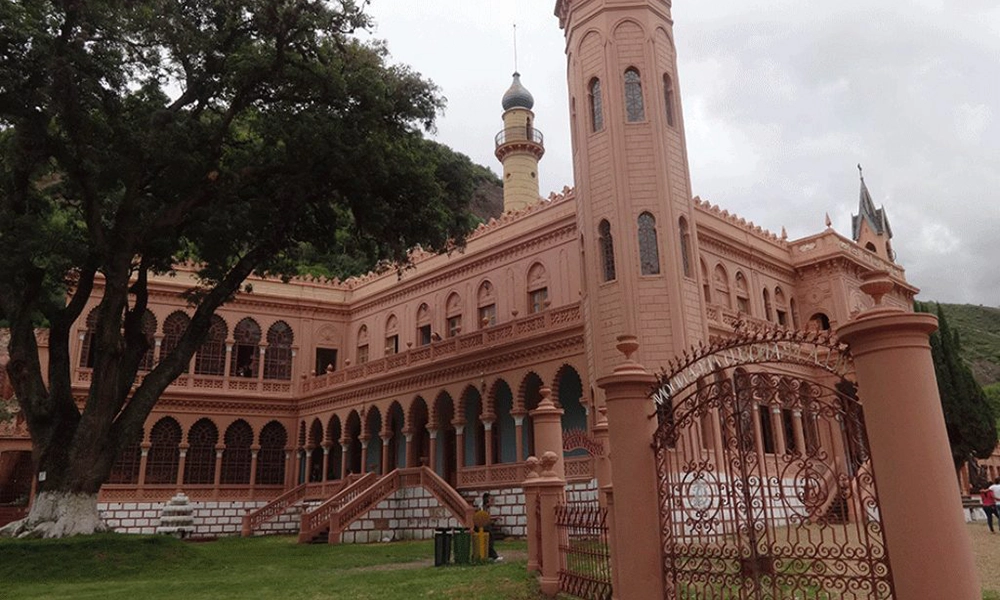
The towers are the most recognizable elements of La Glorieta Castle:
- 🕌 Prince’s Tower
Inspired by Moorish architecture, it is one of the tallest. Its design is slender and elegant, symbolizing authority and power.
- 🟣 Princess’s Tower
In the Byzantine style with Russian influences, it is crowned by a striking dome. It represents delicacy, spirituality, and nobility.
- ⏰ Clock Tower
Inspired by London’s Big Ben, it reinforces the idea of modernity and connection with Europe.
Each tower has its own identity, which reinforces the feeling of standing before a castle “built with dreams.”
🏛️ Interior Spaces and Aristocratic Life
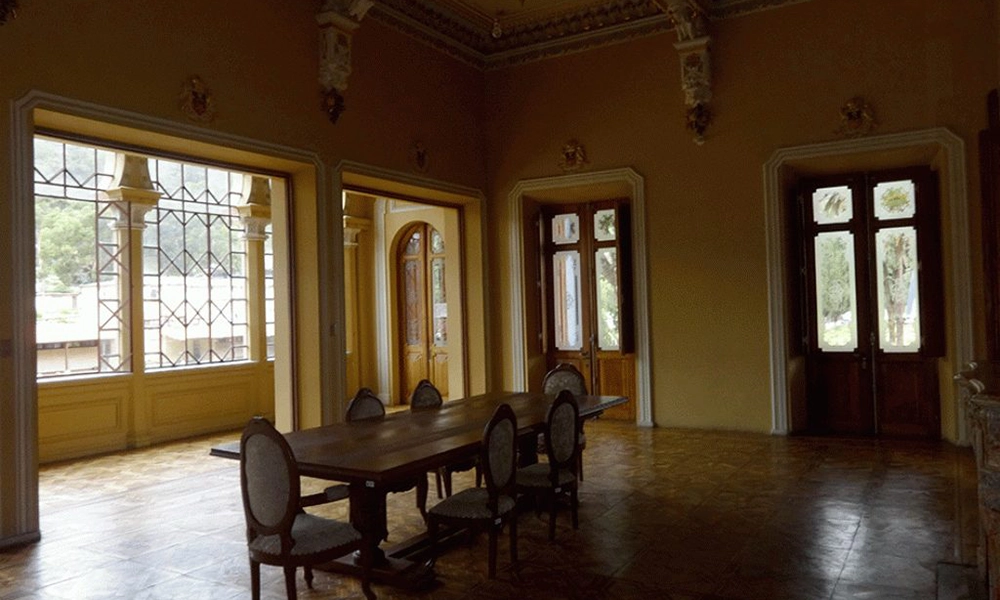
In its heyday, the castle boasted:
- Reception halls
- A private chapel
- Spacious bedrooms
- Social areas and gardens
Although not all of the interior remains as it was originally, the spaces allow us to imagine the aristocratic life that unfolded there: gatherings, religious ceremonies, private celebrations, and contemplation of the landscape.
The residence was not conceived as a military fortress, but rather as a symbol of status and refinement.
🌳 Gardens and Surroundings
Originally, La Glorieta Castle was surrounded by ornamental gardens and green spaces that complemented the romantic aesthetic of the complex. Over time, some of these spaces were lost or transformed, but the surroundings still retain a tranquil atmosphere that contrasts with the monumentality of the building.
The castle blends seamlessly into the rural landscape near Sucre, reinforcing the sense of noble seclusion and elegant retreat.
🏛️ Heritage Declaration
Due to its unique architectural and historical significance, La Glorieta Castle was declared a National Monument of Bolivia in 1970. This declaration recognizes its value as a unique cultural heritage site and reinforces its importance within the country’s historical tourism.
🧭 Today’s Visit: Tourism, History, and Photography
Currently, La Glorieta Castle is one of the most visited tourist attractions in the Sucre area. It is especially popular for:
- Its historical value
- Its unique architecture
- Its photographic potential
- Its romantic and legendary history
Many visitors include it as part of a cultural route along with La Recoleta, the ASUR Museum, and the historic center of Sucre.
🧠 Visitor Tips
- 🕰️ Visit during the day to appreciate the details
- 📷 Ideal for architectural photography
- 👟 Wear comfortable shoes
- 📝 Ask about guided tours to better understand the history
A complete visit usually takes between 45 minutes and 1 hour.
La Glorieta Castle is not just an architectural rarity: it is a symbol of an era, of the ambition, romanticism, and imagination of a Bolivian elite who wanted to leave their mark on history.
In a country of colonial convents and Andean landscapes, La Glorieta stands out as a European dream planted on Bolivian soil. Visiting it is to travel not only to another place, but to another way of understanding power, beauty, and memory.
❓ Frequently Asked Questions about La Glorieta Castle
📍 Where is La Glorieta Castle located?
La Glorieta Castle is located a few kilometers from the city of Sucre, in the department of Chuquisaca. It is situated in a quiet rural area and can be reached by private vehicle, taxi, or organized tour from the city center.
🕰️ In what year was La Glorieta Castle built?
Construction of the castle began in the late 19th century and was completed around 1897, during a period of great economic prosperity in Sucre.
👑 Who owned the castle?
The castle belonged to Francisco Argandoña and Clotilde Urioste, a couple from Sucre’s economic and social elite. Both were known for their philanthropy and their close ties to the Church.
🏰 Why is it referred to as a “principality”?It is known as
the Principality of La Glorieta because, according to historical tradition, Pope Leo XIII granted the couple the title of Princes of La Glorieta. It was an honorary title, not an independent state, but it is a unique case in South America.
🌍 Is it true that it is the only castle of its kind in Bolivia?
Yes. La Glorieta Castle is unique in Bolivia for its architectural style, its noble history, and its concept of a “European castle” built in Andean territory.