
Incallajta – The Largest Inca Complex in Eastern Bolivia
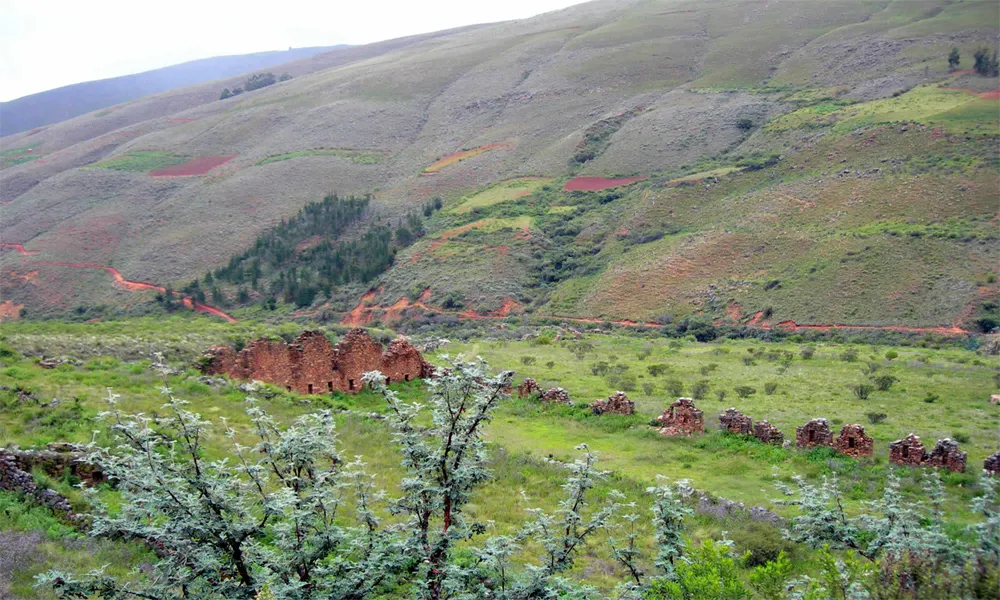
Incallajta is one of Bolivia’s most impressive yet least-known archaeological sites. Located in the department of Cochabamba, this monumental complex was built by the Inca Empire in the 15th century and stands out as the largest Inca fortress in eastern Bolivia. Its name comes from the Quechua Inka Llaqta, meaning “City of the Inca,” a designation that reflects its political, military, and ceremonial importance within the Tawantinsuyo (Inca Empire).
Surrounded by mountains, deep ravines, and a landscape that transitions between the Andes and the lowlands, Incallajta impresses not only with its size but also with the perfection of its stone architecture and its strategic defensive location.
📍 Location of Incallajta
Incallajta is located in the town of Pocona, about 130 km east of Cochabamba. Located at 2,950 meters above sea level, surrounded by imposing mountains, deep ravines, and rivers, it boasts a privileged natural setting.
- Province: Carrasco
- Department: Cochabamba, Bolivia
- Altitude: 2,950 meters above sea level
- Distance from Cochabamba: 4 to 5 hours by vehicle
📜 History and Function of Incallajta
Incallajta was commissioned during the reign of Inca Túpac Yupanqui to consolidate Inca rule over the eastern peoples, especially the Chiriguano groups. More than just a fortress, the site functioned as an administrative, military, and ceremonial center, key to controlling routes, populations, and border territories of the empire.
Unlike other Inca complexes, Incallajta exhibits a unique combination of defensive and ritual functions, demonstrating its strategic role within the Inca political and religious system.
🧱 Monumental Architecture
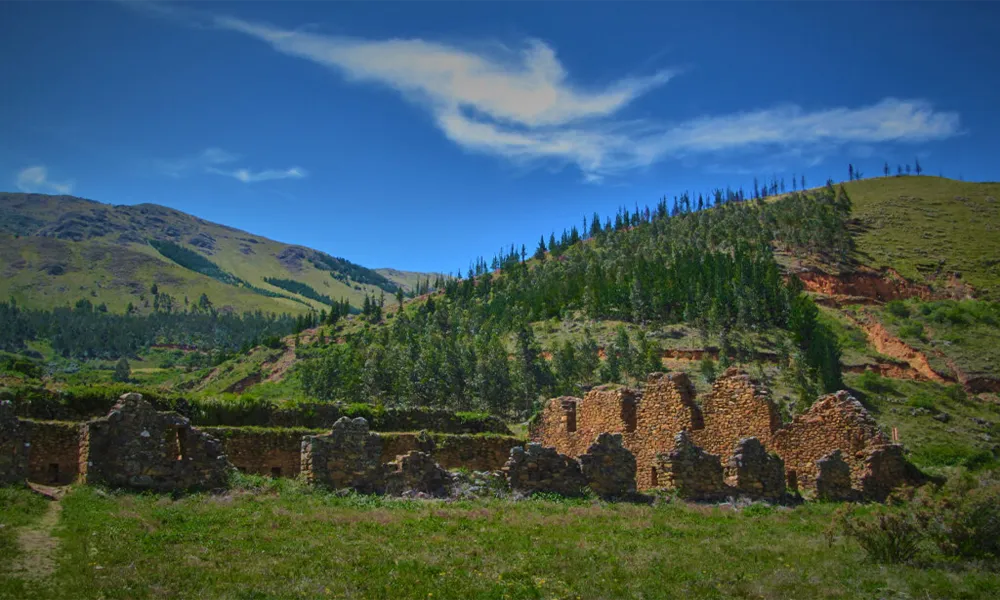
The complex covers more than 60 hectares and preserves large-scale structures that are remarkable for their engineering:
- Main Kallanka: one of the largest in the Inca world, over 70 meters long, used for ceremonies, meetings, and lodging for authorities.
- Defensive Walls: thick stone walls that protected the site from potential invasions.
- Ceremonial Plazas: large open spaces intended for rituals and official events.
- Residential and Administrative Complexes: where officials, priests, and military personnel lived.
The carved stones fit together with precision, demonstrating the high level of technical skill of the Inca builders, even in an area far from Cusco.
🌄 Natural Environment and Landscape
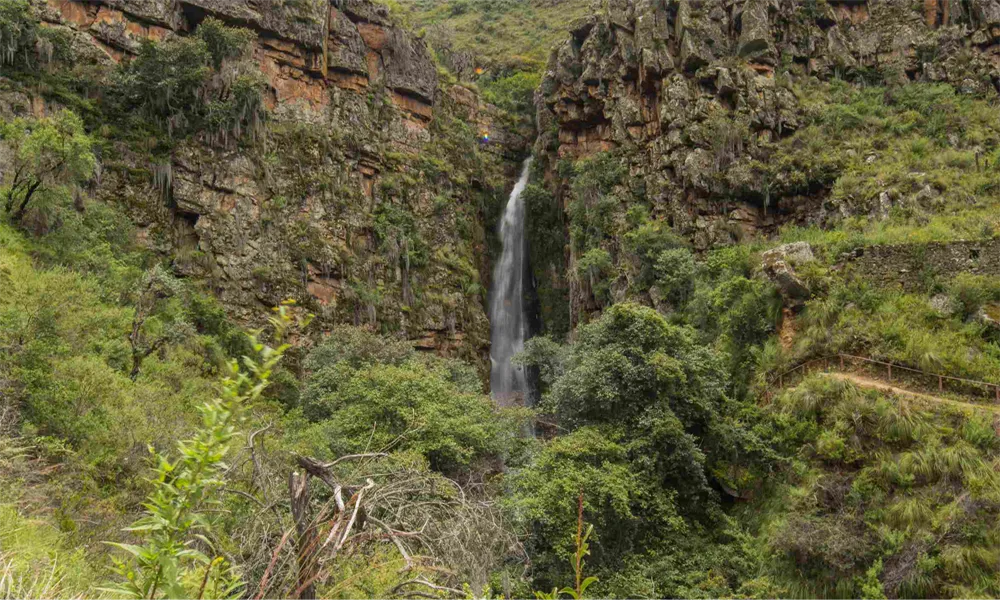
Incallajta is located in an area of great natural beauty, where Andean landscapes and subtropical valleys converge. The site offers panoramic views of mountains, canyons, and rivers, reinforcing the sense of isolation and strategic power it once held.
The surroundings are ideal for contemplation, photography, and cultural tourism, especially for those seeking experiences off the beaten path.
🧭 Cultural and Heritage Significance
Today, Incallajta is considered a fundamental archaeological heritage site in Bolivia, as it demonstrates the true expansion of the Inca Empire beyond the central Andes. Furthermore, it is a symbol of the encounter—and conflict—between Andean and Amazonian cultures.
The site also holds strong spiritual and educational value, attracting researchers, students, and travelers interested in pre-Hispanic South American history.
🚗 How to Get to Incallajta
From Cochabamba:
- By bus or minivan: Depart from the Cochabamba Terminal towards Pocona.
- By private vehicle: It is recommended to take the old road towards Santa Cruz.
- Travel time: Approximately 4 to 5 hours.
💡 Tip: It is best to leave early in the morning to make the most of the trip.
⛅ Weather in Incallajta
- Dry season: May to October, ideal time to visit.
- Rainy season: November to April, with more challenging roads.
- Average temperature: Between 10°C and 22°C.
🏨 Nearby Hotels and Lodging
Although there are no hotels within the complex, you can stay overnight in Pocona or Cochabamba. Some recommended options:
- Hotel Regina Resort – Ideal for those seeking comfort.
- Hostal Cochabamba Colonial – Affordable and centrally located.
- Ecolodge Pocona – A more immersive nature experience.
🍲 Recommended Cuisine
During your visit to Incallajta, you can sample typical regional dishes:
- Pique macho
- Silpancho cochabambino
- Chicharrón de cerdo
- Chicha de maíz, a traditional corn beverage.
🎒 Recommendations for your visit
- Wear comfortable clothing and a light jacket, as the weather can change throughout the day.
- Wear appropriate footwear for walking on uneven terrain.
- Bring water, sunscreen, and a hat.
- Respect the structures and do not climb the archaeological walls.
- Allow yourself enough time to explore the complex at a leisurely pace.
✨ Incallajta: Living History in Stone
Visiting Incallajta is to delve into a little-explored chapter of the Inca Empire. Its monumental scale, natural surroundings, and profound historical significance make it an essential destination for those who wish to learn about the Inca legacy in Cochabamba and discover an archaeological gem that still holds silence, mystery, and grandeur.
A place where history isn’t told: it’s experienced through the streets.