
Juan de Vargas Folk Art Museum: A Journey into Bolivian Tradition
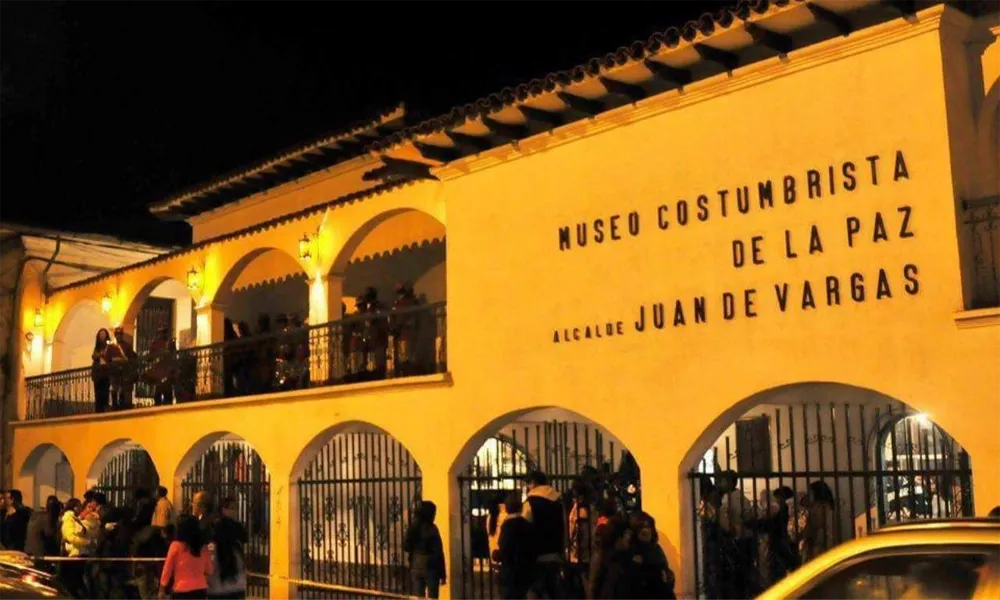
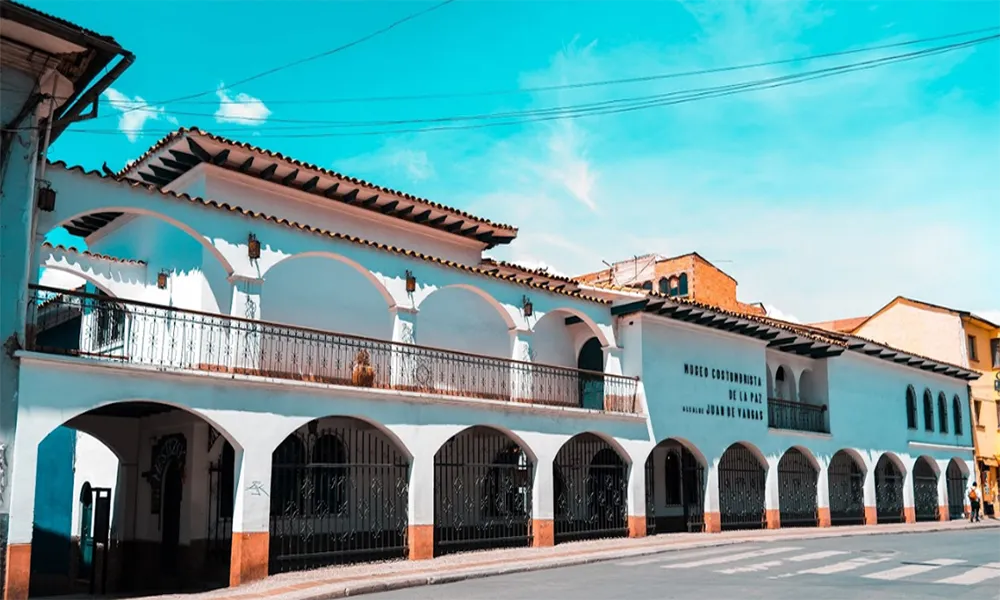
The Juan de Vargas Folk Art Museum, located in the city of Sucre, Bolivia, is one of the country’s most important cultural treasures. This museum has become an essential place to learn about the history, customs, and traditions of everyday Bolivian life, especially during the 19th century. Through its exhibits, the museum offers a unique perspective on colonial and republican Bolivia, allowing visitors to immerse themselves in a world of art, history, and culture.
🏛️ Museum History
The Juan de Vargas Folk Art Museum was founded in 1953, thanks to the donation of an extensive collection of objects by Mr. Juan de Vargas. The collection encompasses a large number of artifacts dating back to the colonial era, and its purpose is to preserve and promote Bolivian customs throughout the centuries. Its location in the city of Sucre is no coincidence, as Sucre is considered the historical capital of Bolivia, with a cultural legacy dating back to the colonial era.
🏰 Location and Accessibility
The museum is located in the historic center of Sucre, specifically in Plaza 25 de Mayo, a central point of the city. Its colonial structure, with its grand balconies and courtyards, is part of the museum’s architectural appeal. It is easily accessible on foot from other nearby tourist attractions, such as the Casa de la Libertad and Plaza 25 de Mayo.
Address:
Calle Serrano 239, Sucre, Bolivia
The museum is located just steps from Sucre’s main commercial and tourist streets, making it easily accessible for both national and international tourists.
🎨 Collection and Exhibitions
The museum houses an impressive collection of objects of great historical value that reflect Bolivia’s traditional customs. Its main focus is 19th-century daily life, showcasing the customs, traditions, and clothing of the colonial and republican eras.
Some of the most outstanding collections include:
- Traditional Clothing
The museum displays a vast collection of traditional costumes, both indigenous and mestizo, that have been worn throughout history in different regions of Bolivia. The clothing reflects the cultural influences and traditions of each area of the country.
- Antique Furniture
Visitors can admire furniture and everyday objects dating from colonial times, such as chairs, tables, kitchen utensils, and lamps, all carefully preserved and restored.
- Musical Instruments
The museum also boasts an important collection of indigenous and colonial musical instruments, representing Bolivia’s rich musical tradition. From charangos to timpani, the instruments tell the story of music in the country.
- Costumbrista Art
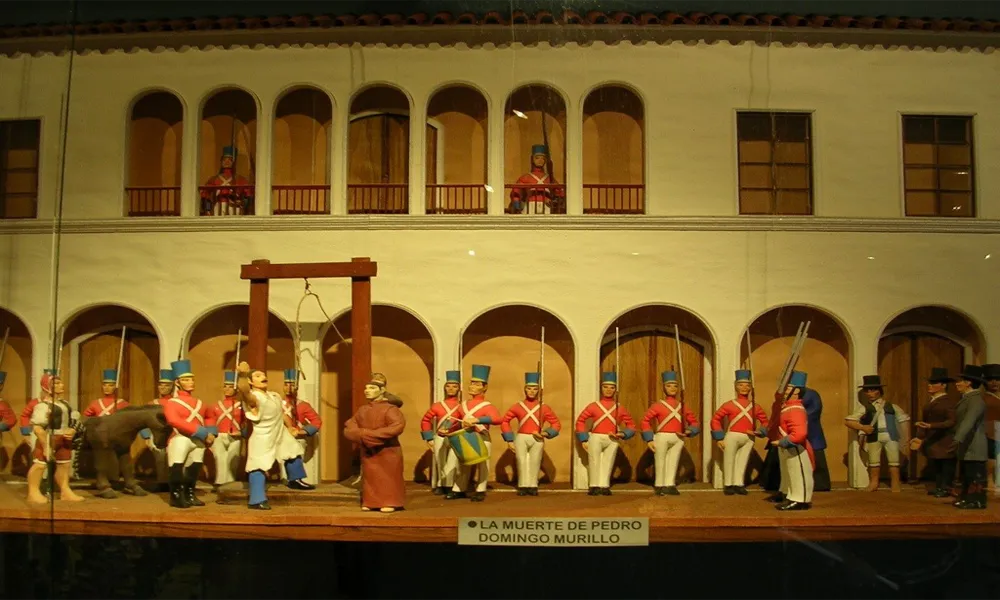
One of the most interesting sections of the museum is the collection of costumbrista paintings, which depict scenes of daily life in Bolivia throughout different eras. These works of art, created by local and foreign artists, allow visitors to visualize what life was like in Sucre and other regions of the country during the colonial period.
🏺 Cultural Significance
The Juan de Vargas Museum of Folk Art is not only a place to admire art and historical artifacts, but it also plays a crucial role in preserving Bolivian identity. Through its exhibits, the museum allows visitors to understand the social, cultural, and political complexities that shaped the country’s evolution. Furthermore, the museum offers a unique opportunity for new generations to learn about and appreciate Bolivia’s rich cultural heritage.
🗺️ Activities and Services
The museum organizes a variety of educational and cultural activities throughout the year. Some of these activities include:
- Guided tours in several languages, where visitors can learn about the history behind each object and piece of art.
- Workshops and cultural events dedicated to traditional Bolivian music, dance, and gastronomy.
- Temporary exhibitions that address specific themes related to the country’s history and customs.
🧭 Tips for Visiting
If you’re planning a visit to the Juan de Vargas Folk Art Museum, here are some helpful tips:
- Hours: The museum is open Tuesday through Sunday from 9:00 AM to 6:00 PM. It is closed on Mondays.
- Tickets: Admission is generally inexpensive and grants access to all the museum’s exhibits. Be sure to check for current prices.
- Visit time: Your visit can last between 1 and 2 hours, depending on how much you want to explore the collection in detail.
- Bring a camera: While some areas of the museum may have restrictions, you can usually take photos of the exhibits, allowing you to remember the details of your visit.
- Explore Sucre: Take advantage of the museum’s proximity to other historical sites in Sucre, such as the Casa de la Libertad (House of Liberty) or the San Felipe Neri Convent.
The Juan de Vargas Folk Art Museum is a must-see for anyone looking to learn about Bolivian traditions and customs. Through its vast collection of artifacts, the museum offers a profound look into the history and culture of the country, and stands as a symbol of Bolivia’s rich cultural heritage. Whether you are a history buff, a curious traveler, or simply passionate about local culture, this museum will provide you with a unique experience.