
Museum of Musical Instruments of Bolivia
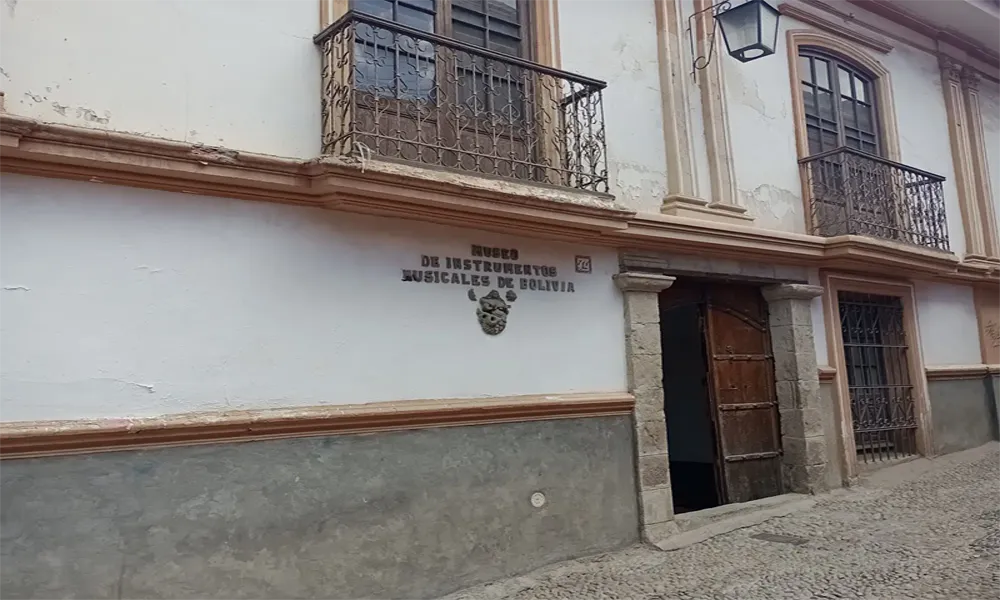
Located in the heart of La Paz, Bolivia, the Museum of Musical Instruments of Bolivia is a fascinating place where culture and music meet. This museum is not only an exhibition space but also a tribute to the musical diversity of Bolivia, a country rich in sound traditions ranging from Andean music to Afro-Bolivian influences. Here, visitors can explore a unique collection of traditional instruments, each with its own history and cultural significance.
🏛️ Museum History
The Museum of Musical Instruments of Bolivia was founded with the purpose of preserving and promoting the country’s musical traditions. Through its exhibits, the museum seeks to highlight the importance of music as an integral part of Bolivian identity. Its galleries house instruments dating from various eras, many of which are used in traditional festivals and celebrations.
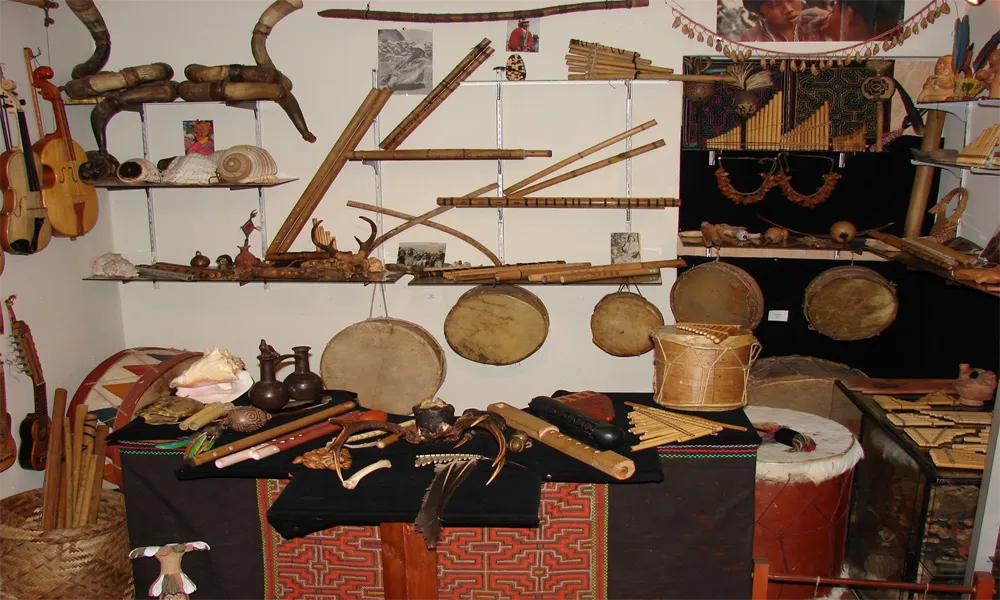
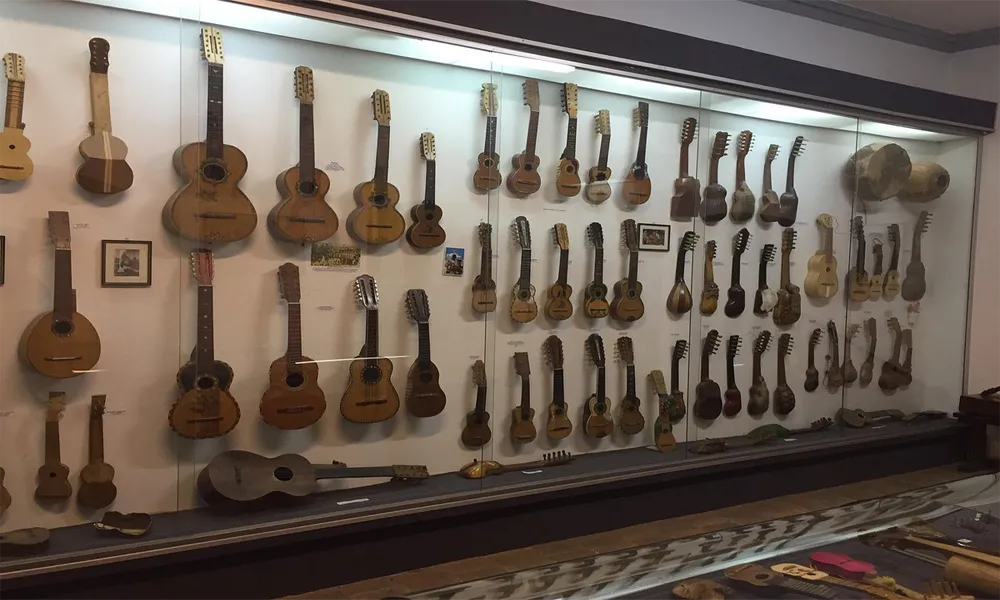
The collection encompasses a wide variety of instruments from all regions of Bolivia, reflecting the country’s cultural and ethnic diversity. From the charangos and sikus of the Andes to the drums and marimbas of the eastern region, each piece demonstrates how music has been essential to the social, religious, and festive life of Bolivians.
🎸 Museum Highlights
Inside the museum, visitors can enjoy an immersive experience that allows them to discover the rich variety of instruments that have accompanied generations of Bolivians. Some of the main attractions include:
- Andean Musical Instruments: Charangos, panpipes (sikus), bass drums, and zampoñas. These instruments are fundamental to the folk music of the Bolivian highlands and are used in indigenous rituals and celebrations.
- Afro-Bolivian Instruments: Instruments such as the bajo sexto and drums, which are the foundation of Afro-Bolivian music, used in festivities like the Tamborito.
- Instruments of Eastern Bolivia: Here, the marimba and cuatro from the eastern communities stand out, reflecting the African and Caribbean influences that arrived in the region.
- Instruments of the Lowlands: Exhibits that include indigenous instruments from the Amazon and the Gran Chaco, such as the tamboo and various types of flutes.
🎤 Activities at the Museum
The museum not only offers a static display of instruments; it also organizes interactive workshops and live concerts. Visitors can experience playing some of the instruments, learn about their manufacturing techniques, and the role they play in the different cultures of Bolivia. Special events, such as traditional music concerts, provide the opportunity to hear these instruments in action and learn more about their use in festive and ceremonial contexts.
📖Inspiration and Legacy of Ernesto Cavour
Ernesto Cavour (1940–2022) was more than a musician: a researcher, writer, instrument inventor, museum founder, and a key figure in promoting the charango as cultural heritage.
In its initial phase, the museum operated out of his home. In 1997, it was established as a municipal museum in the “Casa de la Cruz Verde,” becoming part of Jaén’s cultural circuit.
💵Hours and Fees
- According to some sources, the museum is open from 9:30 a.m. to 6:30 p.m., with a lunch break between 1:30 p.m. and 2:30 p.m., every day.
- Another source indicates it is open Monday through Saturday from 9:00 a.m. to 1:00 p.m. and from 2:00 p.m. to 6:30 p.m., and Sunday mornings, with afternoon openings at the discretion of the museum.
- Museum Admission: The entrance fee ranges from Bs5 to Bs10, according to reports from Whichmuseum and La Paz Life.
💡 Practical Tips
- Best time to visit: The museum is open year-round, but during festivals such as the Carnival of Oruro or the Fiesta de la Virgen de la Candelaria, the atmosphere is more vibrant and special activities are available.
- Access: The museum is located in a central area of La Paz, making it easy to reach on foot or by public transportation. Furthermore, it is located near other tourist attractions in the city, such as Plaza Murillo and the Witches’ Market.
- Visit duration: A visit of approximately 1 to 2 hours is recommended to explore the museum and enjoy all the exhibits.
❓ Frequently Asked Questions
- What instruments are featured in the museum?
The museum has a large collection of traditional Andean, Afro-Bolivian, and eastern region instruments, such as the charango, the zampoña, and the bajo sexto.
- Is it possible to hear live music?
Yes, the museum organizes concerts of traditional Bolivian music, where you can hear the instruments in their cultural context.
- Are there activities for children?
Yes, the museum offers interactive workshops where children can learn about the instruments and participate in musical activities.
The Museum of Musical Instruments of Bolivia is a must-see for those who want to learn more about the rich cultural and musical heritage of Bolivia. With its impressive collection of instruments and interactive exhibits, this museum offers a unique experience that highlights the importance of music in the country’s identity. If you’re in La Paz, don’t miss the opportunity to immerse yourself in Bolivia’s vibrant musical tradition.