

Salar de Uyuni
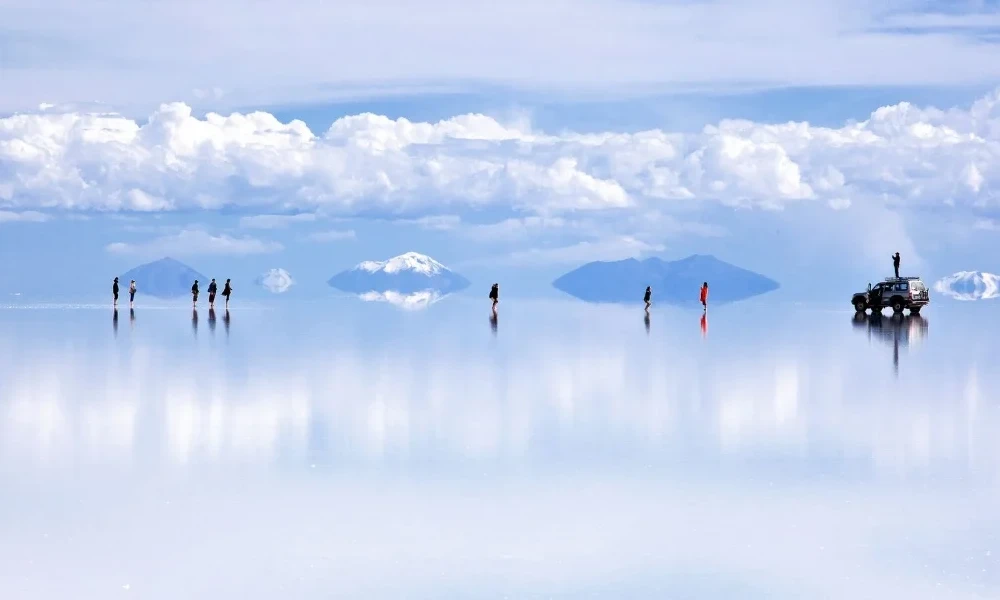
The Salar de Uyuni in Bolivia is the largest salt flat in the world and one of the most impressive destinations in South America. Spanning over 10,000 km², this sea of salt transforms into an infinity mirror during the rainy season, offering unique landscapes that attract travelers, photographers, and adventurers from all over the world. In this guide, you’ll find how to get there, what to see, the best times to visit, prices, recommendations, and practical tips to make the most of your trip.
📖 History and Geology of the Salar de Uyuni
The Salar de Uyuni was formed about 40,000 years ago after the evaporation of ancient prehistoric lakes, including Lake Minchín. Over time, the waters left behind deposits of salt and minerals, creating this gigantic white desert.
Today, the salt flat contains more than 10 billion tons of salt, of which around 25,000 tons are extracted each year. It also houses one of the largest reserves of lithium on the planet, a key resource for battery manufacturing.
For local communities, the salt flat has always held symbolic and cultural value. Andean legends tell of its origin from the tears of Tunupa, a goddess of volcanoes, giving it a mystical aura that attracts travelers from around the world.
📍Location and How to Get There
- 📍 It is located in the department of Potosí, in southwestern Bolivia.
- ✈️ You can fly from La Paz to the city of Uyuni (approximately a 1-hour flight).
- 🚌 Another option is to travel by bus or train from Oruro, La Paz, or Potosí, with journeys ranging from 7 to 10 hours.
- 🚙 There are also land connections to Uyuni from Chile and Argentina.
📅 Climate and Best Time to Visit
- Dry Season (May to October):
The salt flat looks like an endless white desert, with its firm, accessible surface. It is ideal for visiting Incahuasi Island and traveling by 4×4. - Rainy Season (January to March):
A thin layer of water turns the salt flat into the famous “natural mirror,” offering the best postcard views and reflections of the sky.
👉 Both seasons have their charms. If you’re looking for surreal photography, go during the rainy season; if you prefer to explore every corner, choose the dry season.
🌄 Main attractions of the Salar de Uyuni
Below is an extensive and detailed list of the most impressive attractions you can see during your visit:
1. Incahuasi Island 🏝️
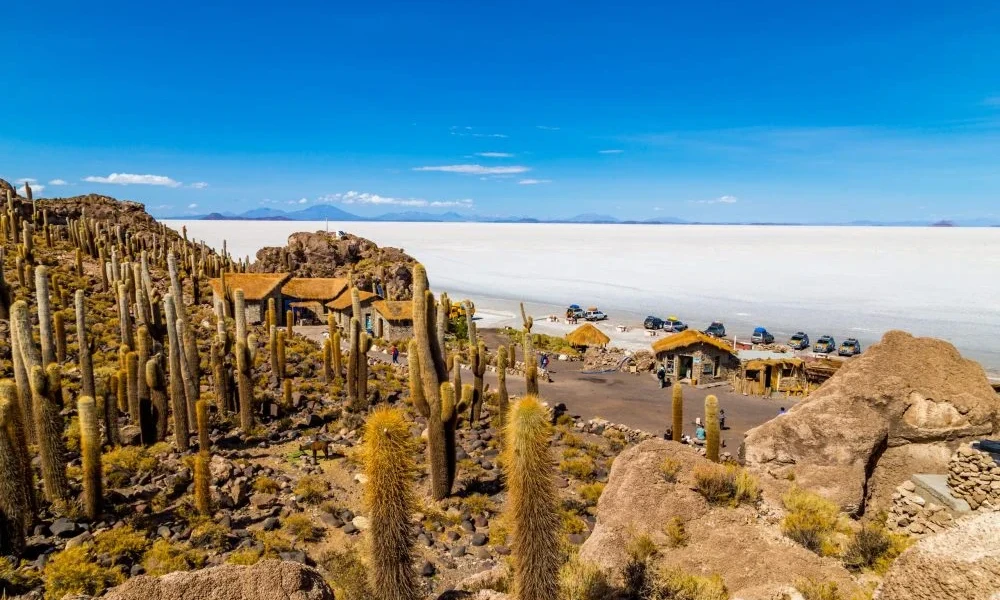
Incahuasi Island, also known as “Fish Island,” is one of the most iconic spots within the salt flat. It is a rock formation covered in giant cacti that reach up to 10 meters in height. From the top of the island, you have a 360° panoramic view of the seemingly endless white sea of salt.
2. Train Cemetery 🚂
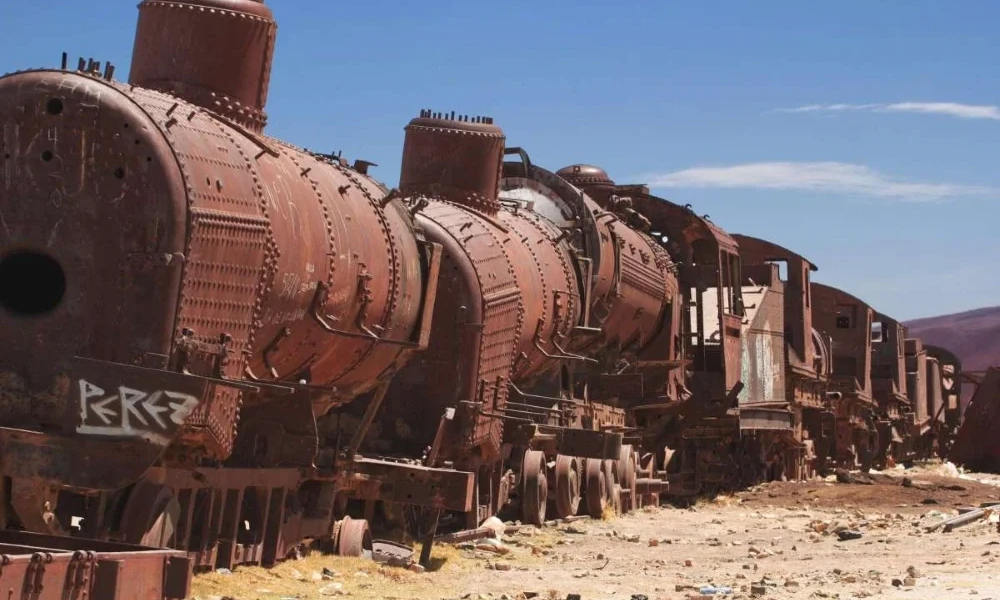
Located on the outskirts of Uyuni, this place is a true open-air museum. Here you will find the rusty remains of 19th-century locomotives and wagons, which were abandoned when the railway industry declined.
3. Salt Hotel 🏨
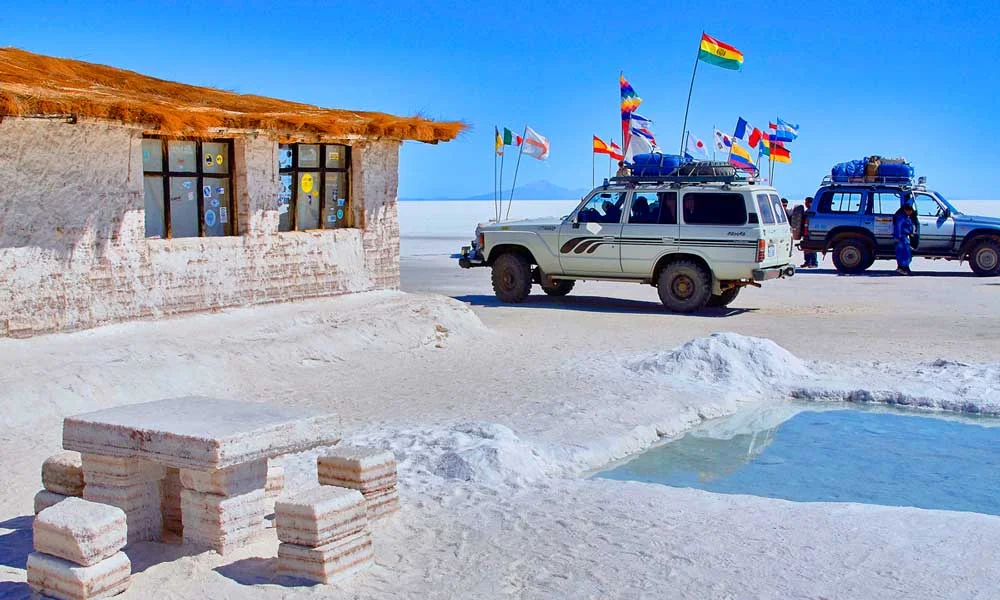
In the middle of the salt flat, you’ll find unique accommodations built entirely with blocks of salt, from the walls to the beds and tables. These hotels offer the experience of sleeping inside the salt flat, surrounded by absolute silence and an incomparable starry sky.
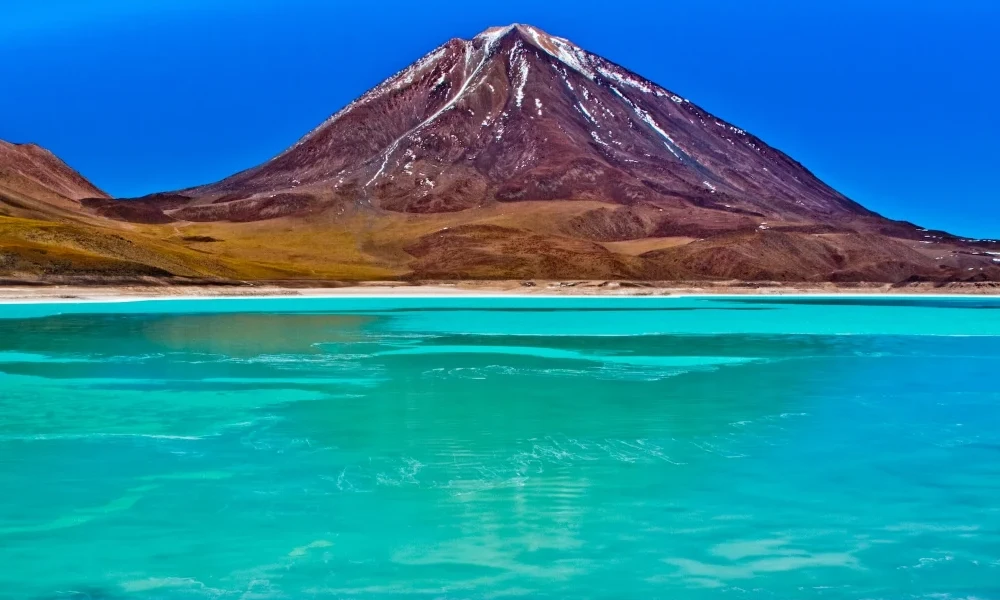
4. Tunupa Volcano 🌋
The imposing Tunupa Volcano stands as guardian of the salt flat. With its ochre, reddish, and orange colors, it is a natural and cultural attraction. According to legend, the goddess Tunupa wept tears of salt after losing her son, giving rise to the salt flat.
Activities: trekking to viewpoints, where you can appreciate unique landscapes and local communities like Coquesa, famous for their pre-Columbian mummies.
5. Ojos de Sal (Salt Eyes) 👁️
At different points in the salt flat, you can see small circular holes known as “eyes of salt,” which allow you to observe how the water springs up from the subsoil.
6. Altiplano Lagoons 🦩
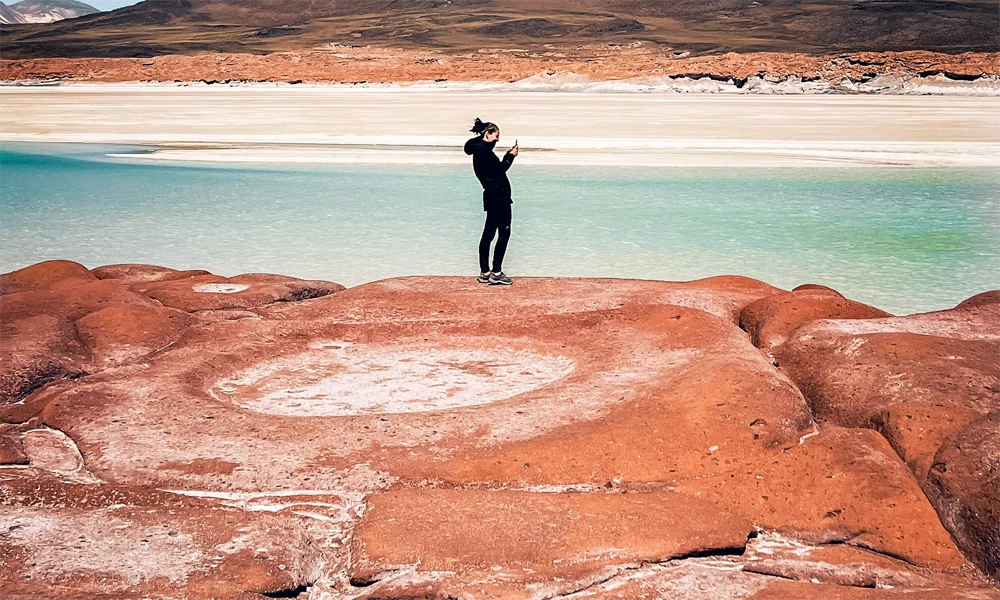
Around the salt flat, there are several intensely colored lagoons that are part of the Lagoon Circuit:
- Laguna Colorada: famous for its reddish waters and the presence of thousands of flamingos.
- Laguna Verde and Laguna Blanca: located at the foot of the
- Licancabur volcano, they change color depending on the light and minerals.
- Laguna Cañapa and Laguna Hedionda: ideal for observing Andean flamingos in their natural habitat.
7. Salt Flats in the Rainy Season 💧
The biggest attraction of all is the salt flat itself when it is covered with water from January to March. The ground becomes a giant mirror, reflecting the sky, the clouds, and the endless horizon.
Unique photography: walking on water feels like floating in the sky, offering a surreal experience.
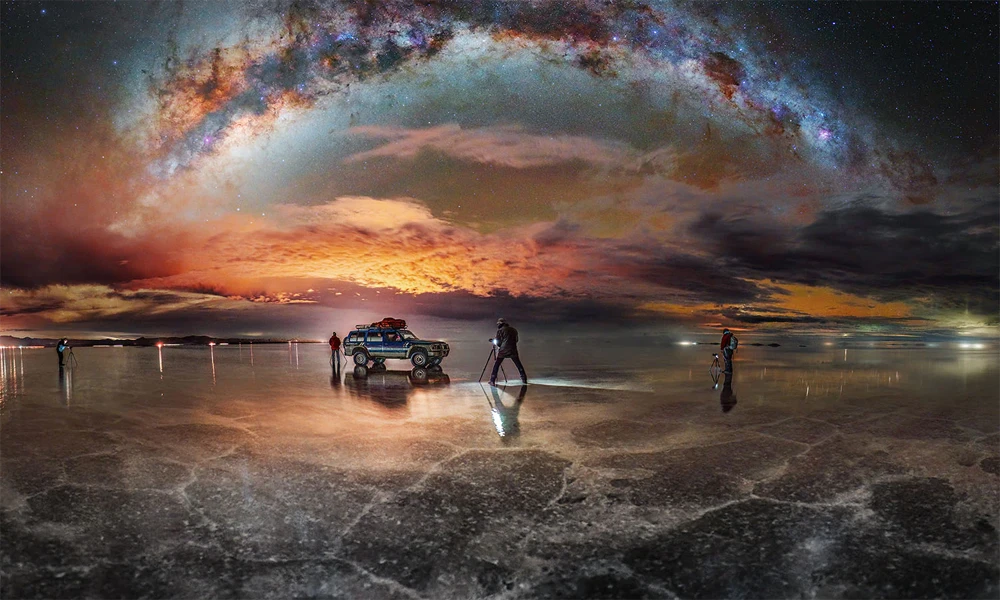
8. Sunset and stargazing 🌌
The Salar de Uyuni also offers magical moments at sunset. Sunsets paint the sky in shades of gold, orange, and violet. At night, thanks to the altitude and the absence of light pollution, you can clearly observe a firmament filled with stars, galaxies, and the Milky Way.
💲 Prices and Types of Tours
- 1-Day Tour (from Uyuni): $30–$60 USD.
- 3-Day Tour (Salt Flats + Lagoons + Deserts): $120–$180 USD.
- Private Tour: From $200 USD, with personalized services.
- Tours from San Pedro de Atacama (Chile): $200–$250 USD (3-4 days).
🛌 Accommodation in Uyuni and Surrounding Areas
Visiting the Salar de Uyuni is a unique experience, and choosing where to stay can make all the difference in your trip. The hotel offerings in Uyuni and its surrounding areas cater to all types of travelers, from backpackers looking for the basics to those seeking exclusive accommodations with all the amenities.
🔹 Budget: Hostels and Basic Lodging
For budget travelers, there are hostels and simple accommodations in Uyuni starting at $10 USD per night. Most offer shared rooms, hot water, and a basic breakfast. They’re ideal for backpackers, students, or those just looking for a comfortable place to rest after a long tour.
🔹 Salt Hotels: A Unique Experience
The famous salt hotels are one of the area’s biggest attractions. They’re built entirely with salt blocks, from the walls to the beds and tables. Staying here is an authentic and unique experience, surrounded by silence and otherworldly landscapes. Prices range from $40 per night and include amenities such as a restaurant with traditional dishes, heating, and stunning views of the salt flats.
🍲 Local Gastronomy
During your visit, you can taste typical dishes from the highlands, such as:
- Royal quinoa: in soups, stews, and breads.
- Llama meat: in stews or grilled.
- Chicken sajta: a traditional dish served with potatoes.
- Api con pastel: a hot drink made from purple corn.
Many tours include traditional lunches served in the middle of the salt flats, an unforgettable experience.
🎒 Practical Tips for Travelers
Traveling to the Salar de Uyuni is an unforgettable experience, but it also requires some preparation due to the altitude, the extreme climate, and the distance from basic services.
🕶️ 1. Sunglasses and Sunscreen
The white surface of the salt reflects sunlight intensely, which can cause eye discomfort and skin burns, even on cloudy days. Wear sunglasses with UV protection and a good sunscreen (minimum SPF 50). Don’t forget to apply it to your face, neck, and hands.
🧥 2. Layered Warm Clothing
The climate in the highlands is extreme: during the day, the sun can be strong, but in the evening, the temperature drops dramatically, reaching below zero, especially between May and August. It’s best to dress in layers: a thermal shirt, fleece, a windbreaker, and gloves, as well as a hat and scarf.
💧 3. Water and Snacks
Tours can last several hours or even days, and there are no shops available on many sections. Always bring a reusable water bottle and some energy snacks like cereal bars, nuts, or chocolates. This will help you stay hydrated and energized during your tours.
💵 4. Cash
In Uyuni, most shops, restaurants, and travel agencies do not accept credit cards. It’s recommended to bring enough cash (bolivianos and dollars) to cover accommodation, food, and entrance fees to natural attractions.
📸 5. Camera and extra batteries
The Salar de Uyuni is one of the most photogenic places in the world. The intense light and low temperatures can quickly drain batteries, so it’s essential to bring extra batteries and empty memory cards. If you don’t have a professional camera, a smartphone with good resolution is also a great option.
🤔 Frequently Asked Questions about the Uyuni Salt Flats
❓ Can you visit the Uyuni Salt Flats year-round?
Yes, the salt flat is open to visitors year-round. However, the experience varies depending on the season:
- May to October (dry season): The surface is solid and easy to navigate in 4×4 vehicles. This is the perfect time to visit Incahuasi Island, the Train Cemetery, and walk on the salt hexagons.
- January to March (rainy season): A thin layer of water covers the salt, turning it into the world’s largest natural mirror. This is the ideal season for surreal photography lovers.
👉 Both seasons have their charm, so your choice will depend on whether you prefer an endless white desert landscape or a mirror reflecting the sky.
❓ How high is the Uyuni Salt Flats?
The salt flat is located 3,656 meters above sea level, in the heart of the Bolivian Altiplano. Due to this altitude, some travelers may experience symptoms of altitude sickness such as headaches, dizziness, or fatigue.
Recommendation: Spend a night in Uyuni, Potosí, or La Paz to acclimatize before the tours. It is also helpful to stay hydrated, avoid strenuous physical exertion, and consume coca tea or medication for altitude sickness.
❓ Is it safe to travel to the Salar de Uyuni?
Yes, it is a safe destination as long as you visit with a reliable tour agency and experienced guides.
It is not recommended to enter on your own with a private vehicle, as the lack of signage can cause disorientation.
It is important to verify that the agency has vehicles in good condition, trained drivers, and has safety measures in place.
During the rainy season, guides know the safe zones and avoid areas where the water may be too deep to travel.
❓ What wildlife can you see in and around the Salar de Uyuni?
Although the salt flat itself is an extreme ecosystem, the surrounding area offers a wide variety of altiplano wildlife:
- Pink, Andean, and James’s flamingos: they concentrate in lagoons such as the Colorada and Hedionda lagoons.
- Vizcachas: rabbit-like rodents that inhabit rocky areas.
- Andean foxes: easy to spot in the surrounding area.
- Llamas and vicuñas: symbols of the Andes, domesticated or wild.
- Altiplano birds: such as the Andean rhea, the tern, and various species of ducks.
👉 The natural wealth makes a trip to the salt flat also an opportunity to see wildlife in its natural habitat.
❓ What is the minimum recommended time to visit?
It depends on your availability and the type of experience you’re looking for:
- 1-day tour: perfect if you only want to see the salt flat, Incahuasi Island, and the Train Cemetery.
- 2-day tour: includes an overnight stay in a salt hotel and a more relaxing tour.
- 3-day tour: the most comprehensive and recommended option, as it combines the salt flat with the altiplano lagoons, geysers, and the Dalí Desert.
👉 Most travelers choose the 3-day tour, as it allows them to enjoy not only the salt flat, but also the surrounding natural landscapes.