

Cala Cala, Cochabamba: A Complete Guide to the Most Walkable and Residential Neighborhood in the North
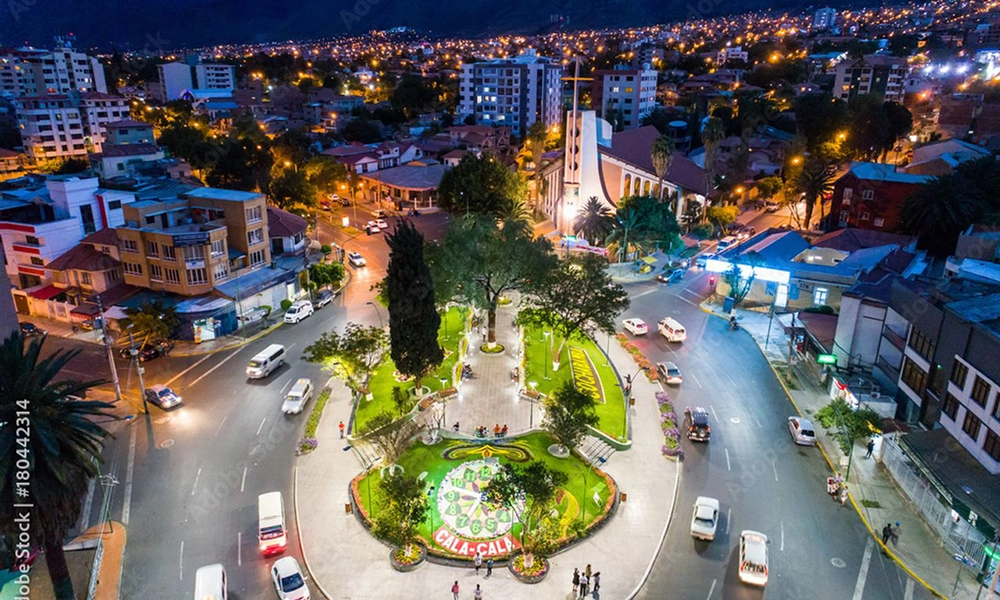
Cala Cala is one of Cochabamba’s best-known and most beloved neighborhoods, thanks to its residential atmosphere, proximity to the city center, and relaxed pace. Unlike typical tourist destinations, Cala Cala is best enjoyed the way the city is experienced: walking, breathing in its green spaces, savoring a leisurely coffee, and connecting with a more local, orderly, and comfortable Cochabamba.
Although now associated with a modern lifestyle, Cala Cala retains its own distinct identity: tree-lined streets, neighborhood plazas where people gather, and an environment that blends traditional homes with contemporary buildings. Several urban accounts and reports identify Cala Cala as part of the city’s north side, with its boundaries defined by major avenues (for example, its location between Circunvalación and Atahualpa in District 2, Tunari commune, is mentioned).
Where is Cala Cala located, and why is it such a great area?
Cala Cala is located in northern Cochabamba, with quick access to:
- the city center,
- shopping areas,
- stadiums and sports facilities,
- and routes that connect to scenic overlooks.
Its strength lies in its connectivity: you can get around without everything feeling “far away.” It’s also a practical neighborhood to stay in if you’re looking for rest without feeling isolated.
What to see and do in Cala Cala
1) Cala Cala Plaza / Park: the heart of the neighborhood
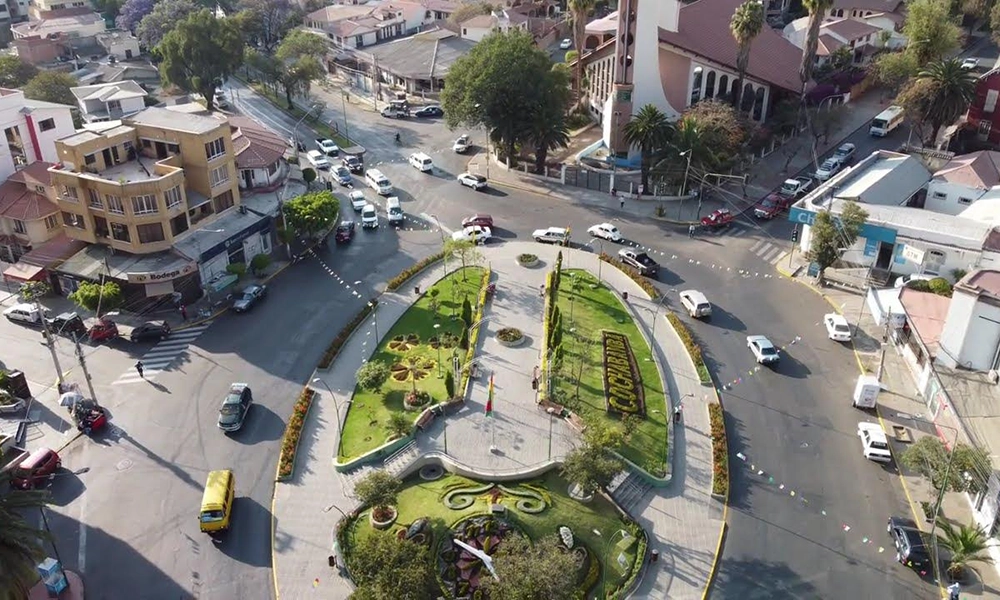
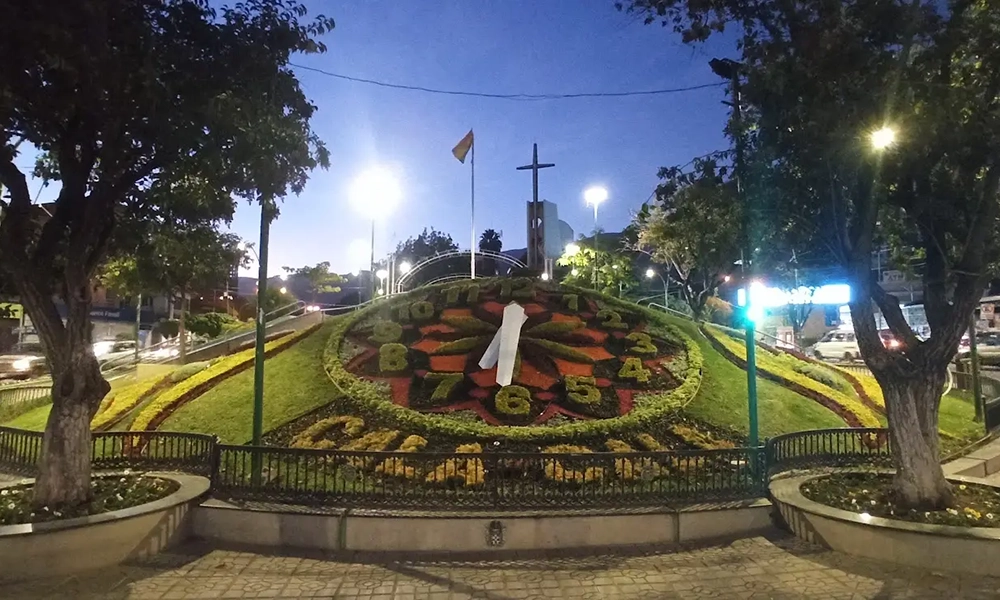
The most recognizable feature is the main plaza, a typical Cochabamba space: trees, benches, pedestrian traffic, and everyday life. In some sources, it’s officially named after Luis Felipe Guzmán, a name linked to local civic memory.
Here you can feel the real life of the neighborhood: neighbors chatting, people out for a walk, children playing, and a relaxed atmosphere.
Recommended plan: go at sunset (or early morning) to stroll around, relax, and take photos of the urban environment.
2) Hikes and Views Towards Christ of the Concord
From Cala Cala, it’s common to look towards San Pedro Hill, where Christ of the Concord stands, one of the city’s iconic landmarks. The Christ statue is located atop the hill and has several viewpoints; its total height is reported to be around 40.44 meters (statue + pedestal), and it’s a classic spot for panoramic views.
If your plan is “Cala Cala + viewpoint,” you can combine exploring the neighborhood (in the afternoon) with a climb to Christ (on another day or the same day, depending on time and energy). There are also trails for hiking up, following routes recorded by hikers.
3) A Neighborhood for Good Food “Without the Crowd”
Cala Cala usually has comfortable options around its main avenues: cafes, well-prepared fast food, casual restaurants, and places for breakfast or afternoon tea. The beauty here is that not everything is geared towards tourists: you can eat like a local, with prices and a city-like pace.
4) Everyday Corners That Add Up
The area is home to churches and neighborhood landmarks like the Santa Ana de Cala Cala Church, mentioned on local maps along Avenida Libertador Simón Bolívar.
These are places that don’t always appear in “top 10” lists, but they give the neighborhood its identity.
How to get to Cala Cala
From downtown Cochabamba:
- By car/taxi, it’s a short trip (depending on traffic).
- By public transport, many routes run along major avenues connecting the north and center of the city.
Useful landmarks:
Av. Libertador Simón Bolívar is an avenue associated with the Cala Cala area and is used for various location references.
⏰ Hours
Since Cala Cala is a neighborhood (open urban space), it doesn’t have a single set of hours. However, the following recommendations apply for safety and ease of movement:
- Neighborhood/main streets: open all day
- Plaza/parks: ideal from 6:00 AM to 9:00 PM (due to lighting and pedestrian traffic)
- Best time to visit: morning (mild weather) and afternoon/evening (pleasant atmosphere)
Recommendations for your visit (very practical)
- Walk along busy avenues and streets if you’re unfamiliar with the area.
- If you’re going at night, opt for a taxi or ride-sharing app to get around.
- Bring water if you plan to combine it with visiting viewpoints or taking long walks.
- For beautiful urban photos: golden afternoon (before nightfall).
- If you’re planning an itinerary, Cala Cala works perfectly as a “quiet stop” between more intensive visits.
Suggested mini-itinerary (2 to 3 hours)
- Arrival at Cala Cala and a leisurely stroll through the neighborhood
- Relax in the plaza/park and take photos
- Coffee or snack near the main avenues
- If it’s still light: an additional short walk (or return)
Frequently Asked Questions (FAQ)
Is Cala Cala touristy or more residential?
It’s primarily residential, but very worth visiting for its plaza, tranquility, and strategic location.
Is it worth going if I have limited time in Cochabamba?
Yes, especially if you want a short, walkable, and local plan without long journeys.
Is it safe to walk around Cala Cala?
Generally, it’s a quiet area during the day and at sunset. Even so, take normal city precautions (be aware of your surroundings, streetlights, etc.).
Which is the easiest place to find my way around when I arrive?
The Cala Cala plaza/park is the most direct and well-known landmark.
Can I combine Cala Cala with Cristo de la Concordia on the same day?
Yes. Cristo de la Concordia is on San Pedro hill and has viewpoints; you can plan Cala Cala as a leisurely stroll and Cristo de la Concordia as a panoramic finale.
What kind of trip is best suited to Cala Cala?
Relaxed trips, couples, families, or if you like to explore charming neighborhoods “like a local” (without tours, without rushing).