
Bolivian Cinematheque: Heritage, Memory, and Future of National Cinema
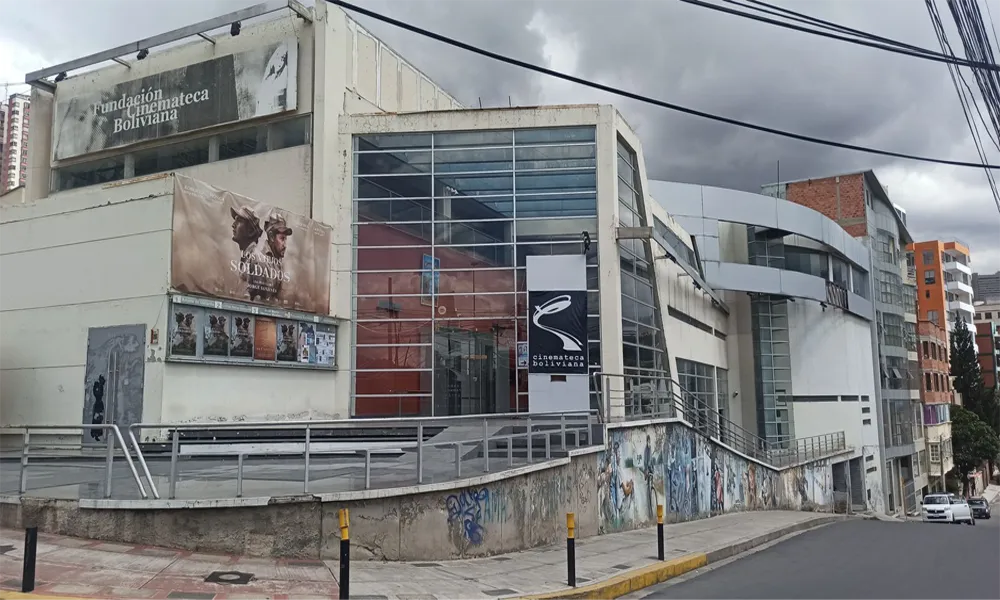
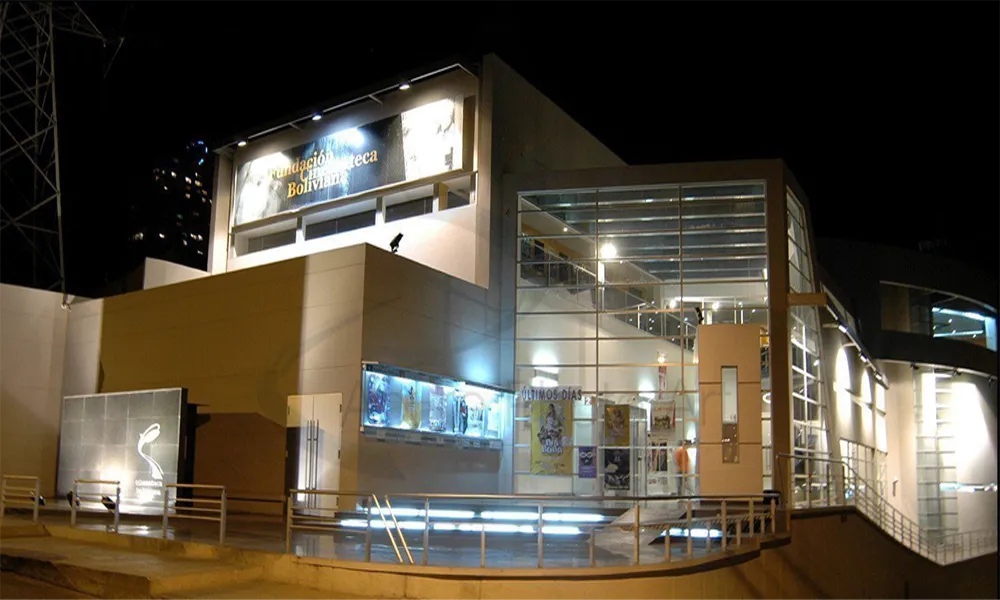
The Bolivian Cinematheque is a key institution for cinema in Bolivia and a space dedicated to the preservation, dissemination, and promotion of the national audiovisual heritage. Located in the city of La Paz, this institution has become a meeting point for film enthusiasts, filmmakers, academics, and all those interested in learning more about the cinematic history of Bolivia.
🎥 What is the Bolivian Cinematheque?
The Bolivian Cinematheque was founded in 1990 with the aim of preserving and promoting the country’s cinematic memory through the collection and restoration of films, short films, documentaries, and other audiovisual materials. It also offers a space for the exhibition of national and international films, as well as a platform for film education and training in Bolivia.
📽️ Main Functions and Objectives
- Preservation of Bolivian Audiovisual Heritage:
The Cinematheque is dedicated to the preservation of historical films, many of them recorded in older formats that, without restoration, would have been lost over time. This includes both classic films and early Bolivian cinema productions, such as those from the golden age of national cinema in the 1950s and 1960s.
- Screening of Bolivian and International Films:
The Cinematheque presents film series of Bolivian and international films, showcasing both classic works and contemporary premieres. This includes documentaries, feature films, and short films that explore diverse themes, including the social, cultural, and political history of Bolivia.
- Film Education and Training:
In addition to its role as an exhibition center, the Bolivian Cinematheque offers workshops, seminars, and educational events aimed at both young filmmakers and those interested in film history.
- Cultural and Social Outreach:
The Cinematheque is also a cultural meeting place, hosting talks, conferences, and presentations related to Bolivian cinema, art, and culture. Here, filmmakers and experts can share their knowledge with the public.
🎞️ History of Bolivian Cinema at the Cinematheque
The Bolivian Cinematheque is not only a place to watch films, but also a living testament to the country’s cinematic history. With a vast collection of archives, the center has been crucial for understanding the evolution of cinema in Bolivia, from the early productions of Félix Patzi and Antonio Nariño to more contemporary filmmakers like Kiro Russo and Juan Carlos Valdivia.
Among the productions that the Cinematheque has preserved are some of the first Bolivian films made in the 1950s, which address themes such as the country’s social and political reality. This legacy is preserved through an extensive film library that includes not only the films themselves, but also photographs, screenplays, reviews, and interviews with the filmmakers who were part of this process.
🌟 Events and Activities at the Bolivian Cinematheque
The Bolivian Cinematheque organizes several annual events that allow visitors to experience cinema at its finest. Among the highlights are:
- 🎬 La Paz Film Festival
One of the most important film festivals in Bolivia, showcasing Bolivian and international films. This event provides a space to discover new voices and perspectives in cinema.
- 🎥 Children’s Film Series
The Cinematheque also organizes film series aimed at young audiences, promoting educational and cultural cinema through children’s films that address important values such as respect, solidarity, and environmental awareness.
- 📅 Themed Film Series
Each month, the Cinematheque organizes film series dedicated to specific genres, such as art-house cinema, Latin American cinema, documentaries, and more. These series allow for a deeper exploration of different themes and cinematic styles.
- 🏢 Facilities and Services
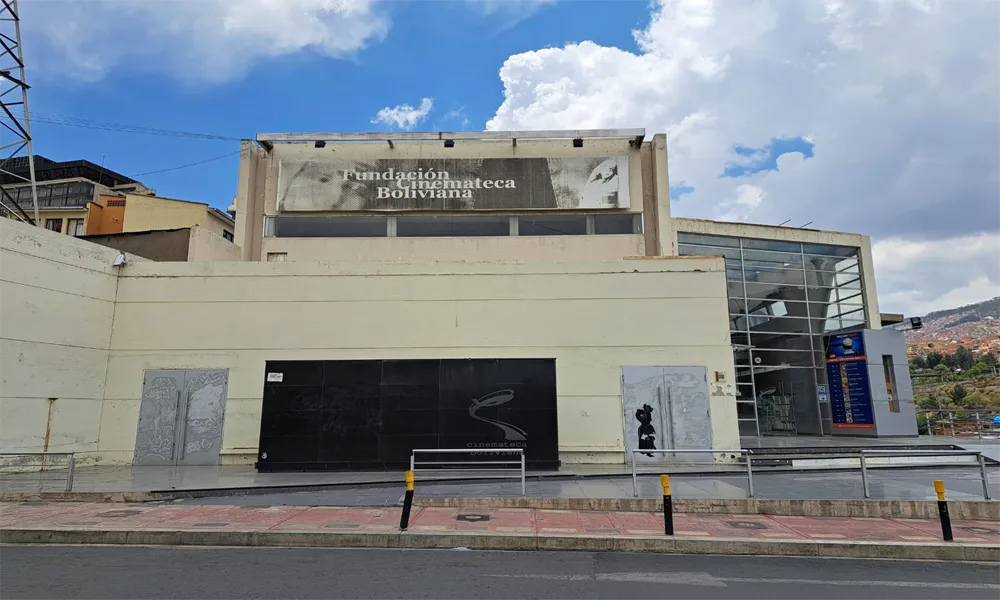
The Bolivian Cinematheque is equipped with modern theaters that offer a unique cinematic experience in a comfortable and accessible environment for the public. In addition to film screenings, the space hosts art and photography exhibitions related to film, as well as a shop selling cultural products and books.
🌍 Cultural Impact of the Bolivian Cinematheque
The impact of the Bolivian Cinematheque goes far beyond simply being a place to watch films. It is a pillar of Bolivian culture, playing a key role in preserving the country’s historical memory through cinema. Furthermore, it has established itself as a meeting point for film enthusiasts, artists, and audiovisual creators from Bolivia and beyond, and has influenced the formation of a shared cultural identity within Bolivian society.
🎞️ Recommendations for Visiting the Cinematheque
If you are a film lover or simply curious to learn more about Bolivia’s audiovisual history, here are some recommendations to make the most of your experience:
- Check their online schedule before visiting to see what screenings are available.
Participate in the film festivals and series organized throughout the year. - Enjoy the talks and lectures organized to learn more about Bolivian cinema and its cultural context.
- Take a journey through the history of Bolivian cinema via the temporary and permanent exhibitions housed at the Cinemateca.
❓ Frequently Asked Questions about the Bolivian Cinemateca
- When was the Bolivian Cinemateca founded?
The Cinemateca was founded in 1990 as an institution to preserve and promote Bolivian cinema and its audiovisual heritage.
- Where is it located?
It is located in the city of La Paz, on Avenida Arce, one of the city’s main thoroughfares.
- What types of films are shown?
The Cinemateca screens a wide variety of films, including Bolivian, Latin American, and international cinema, with an emphasis on auteur cinema and independent productions.
🌍 A cultural treasure for Bolivia and the world
The Bolivian Cinemateca is much more than a cinema: it is a cultural center that preserves the country’s audiovisual memory and opens the doors to the world of cinema for all those who wish to explore Bolivian history, culture, and identity through the big screen.