
Manzana Uno Art Space – Santa Cruz
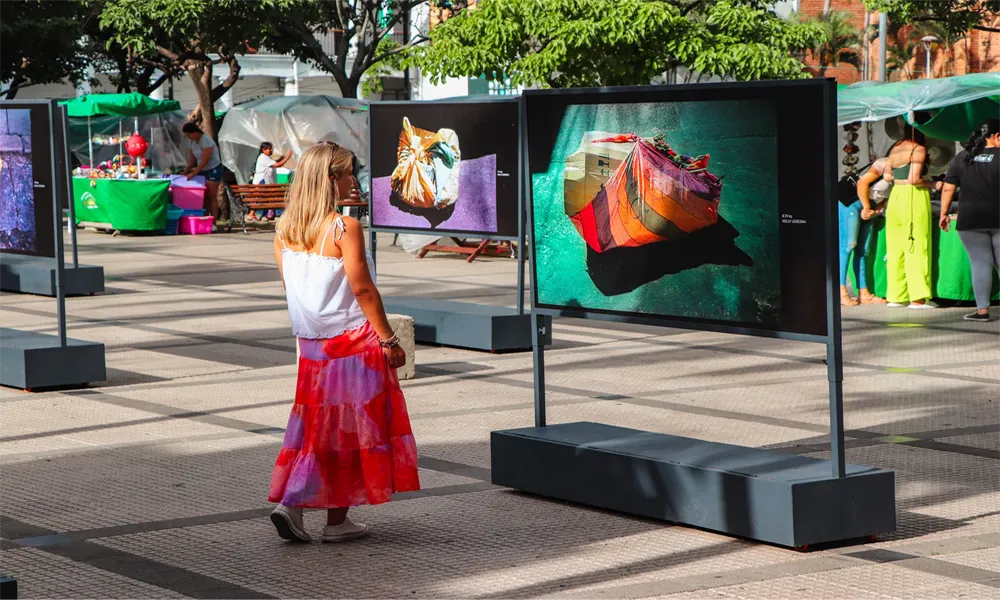
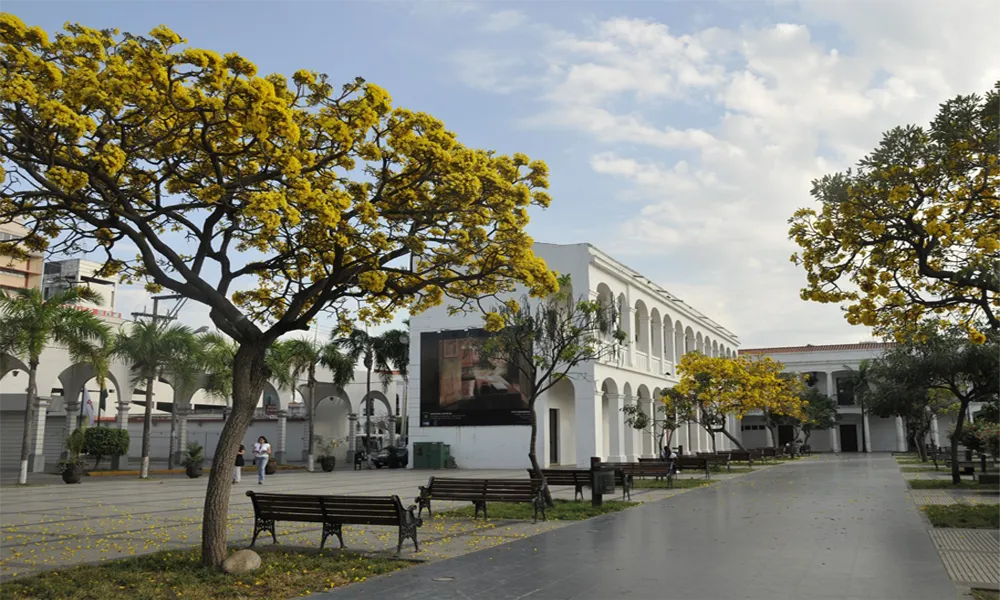
Manzana Uno Art Space is one of the most representative cultural centers in Santa Cruz de la Sierra. Located across from the historic Plaza 24 de Septiembre, this space has established itself as a key meeting point for contemporary art, urban creativity, and cultural dissemination in Bolivia.
Manzana Uno stands out for its openness to the public and for bringing art into the everyday life of the city. Its free admission and constant programming make it an ideal place for both visitors and residents interested in Santa Cruz’s culture.
🕰️ Visiting Hours
Hours may vary depending on the cultural program, but generally Manzana Uno is open during the following times:
Monday to Friday:
- Morning: 10:00 AM to 1:00 PM
- Afternoon: 4:00 PM to 8:00 PM
Saturday and Sunday:
- Morning: 10:00 AM to 1:00 PM
- Afternoon: 4:00 PM to 8:00 PM
On opening days for exhibitions or special events, hours may be extended into the evening.
🏛️ History and Cultural Value
The building that houses Manzana Uno is part of the historic center of Santa Cruz and has been restored as a vibrant cultural space. Over the years, it has transformed into an urban and contemporary art gallery, adapting to new artistic expressions without losing its heritage essence.
This space symbolizes the city’s cultural evolution: tradition and modernity coexisting in one place, reflecting the diverse and dynamic identity of Santa Cruz de la Sierra.
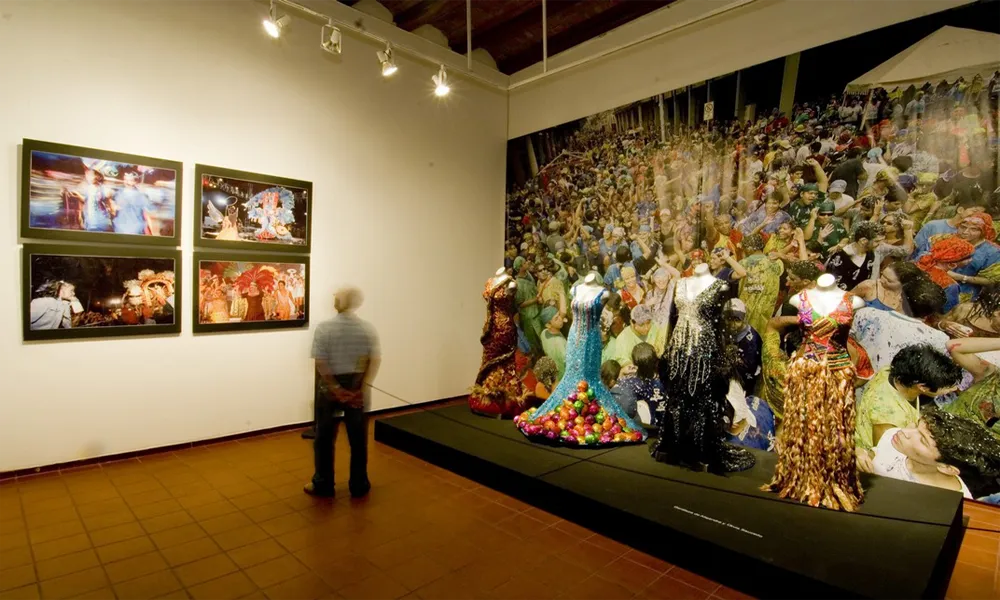
🖼️ Exhibitions and Artistic Expressions
Manzana Uno hosts temporary exhibitions of:
- Contemporary and Classical Painting
- Artistic and Documentary Photography
- Sculpture and Conceptual Art
- Installations and Experimental Art
- Projects by Emerging and Established Artists
The variety of exhibitions allows visitors to discover different artistic perspectives, from local artists to works of national and international renown.
🌿 An Open and Accessible Space
One of Manzana Uno’s greatest attractions is its inclusive nature. The gallery is designed so that anyone can approach art without barriers, fostering cultural education and artistic appreciation at all ages.
Furthermore, its strategic location allows visitors to combine their visit with a stroll through the historic center, traditional cafes, and other nearby cultural spaces.
📸 Manzana Uno as a Tourist Spot
For those visiting Santa Cruz de la Sierra, Manzana Uno is an essential cultural stop. It’s the perfect place to:
- Discover contemporary Bolivian art
- Take photos with a historical and artistic backdrop
- Enjoy free exhibitions
- Understand Santa Cruz’s cultural identity through art
Its tranquil and creative atmosphere contrasts with the urban dynamism of the city center, offering an authentic cultural experience.
🌿 Recommendations for your visit
- 🕘 Arrive early, especially in the morning, to explore the galleries at your leisure.
- 🎨 Explore all the galleries, as some exhibitions occupy small but very interesting spaces.
- 📸 Bring your camera or phone; the place is ideal for artistic and cultural photography.
- 🌞 Combine your visit with a stroll through Plaza 24 de Septiembre to enjoy the historic center.
- 🧘 Take your time; Manzana Uno invites you to observe and reflect, not just to rush through. 👨👩👧 Ideal for all ages, it’s an accessible and educational cultural space.
❓ Frequently Asked Questions
- Is there an entrance fee for Manzana Uno?
No. Admission is free for all visitors.
- How long is the visit recommended?
Between 30 minutes and 1 hour is enough to see the exhibits, although you may need to spend more time on special displays.
- Are the exhibits permanent?
No. The exhibits are temporary and change constantly, so each visit can be different.
- Is it a suitable place for children?
Yes. It’s an open, peaceful cultural space, perfect for family visits.
- Can I visit any day?
Generally, yes, although some areas may be temporarily closed on holidays or during the setup of new exhibitions.
✨ Importance in Santa Cruz’s Cultural Life
Manzana Uno is not just a gallery, but a symbol of Santa Cruz’s commitment to culture and art. Through its exhibitions, it promotes local talent, fosters artistic dialogue, and strengthens the city’s cultural development.
This space demonstrates that art can be approachable, everyday, and accessible, making it an essential cultural landmark in eastern Bolivia.