
Museum of Bolivian Andean Textiles – La Paz
The Museum of Bolivian Andean Textiles is one of Bolivia’s most important cultural treasures, located in the heart of La Paz. This museum offers a unique perspective on the country’s textile traditions, with an impressive collection of weavings, garments, and textile art that reflect the rich history and diversity of the Andean indigenous communities. With its detailed exhibits, the museum invites visitors to delve into the world of traditional textiles and discover their cultural and spiritual significance in the different regions of Bolivia.
🏛️ Museum History
The Museum of Bolivian Andean Textiles was inaugurated in 2006 by the Fidelista Foundation, with the aim of preserving, researching, and promoting Andean textile art in Bolivia. The museum is dedicated to collecting, conserving, and exhibiting textile samples that represent the diversity and cultural richness of the native peoples, especially the Quechua, Aymara, and Guarani cultures.
Bolivia is a country with a rich textile tradition, and this museum has captured the essence of those traditions, from natural fibers like alpaca and sheep’s wool to ancestral weaving techniques passed down through generations.
🧶 Collection and Exhibitions
The museum houses an impressive collection of textiles, including both clothing and textile art used for ritual, ceremonial, and everyday purposes. The exhibitions showcase not only the technical skill of Andean weavers but also the profound cultural significance of their creations.
Some of the most prominent exhibitions include:
- 🌾 Alpaca and Vicuña Textiles
One of the museum’s most representative sections is dedicated to alpaca and vicuña textiles, two of Bolivia’s most prized fibers. Textiles made with these fibers are renowned for their softness, warmth, and durability. Visitors can admire ponchos, chullos (traditional hats), blankets, and scarves, all crafted with an artisanal skill honed over centuries.
- 🧵 Ancestral Weaving Techniques
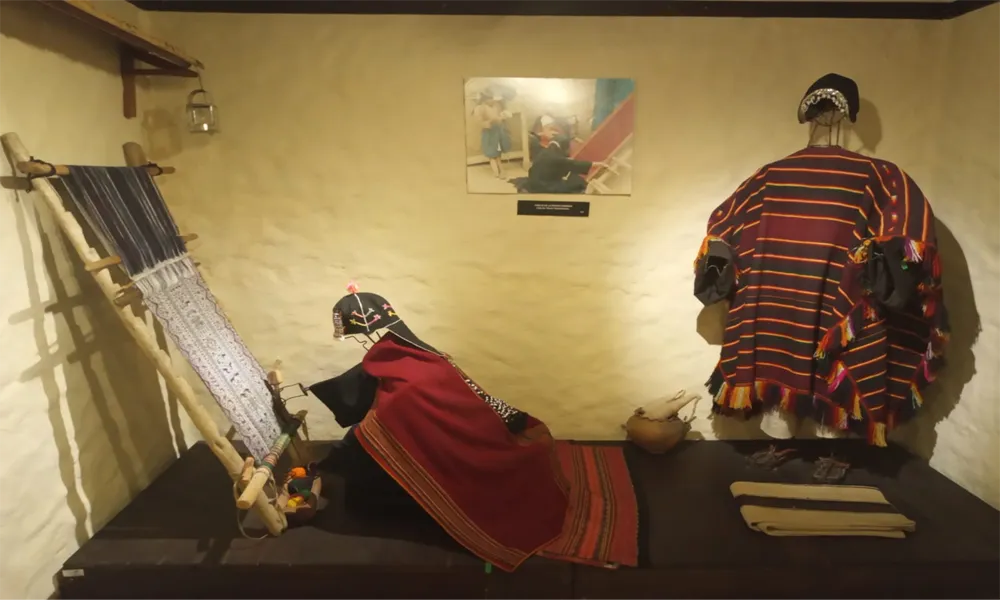
The museum showcases examples of traditional textile techniques, including backstrap loom weaving, one of the oldest and most representative techniques of the Andes. Visitors can observe how artisans create intricate geometric patterns and symbolic figures, using techniques passed down through generations in rural communities.
- 🎨 Textile Art and Ceremonial Design
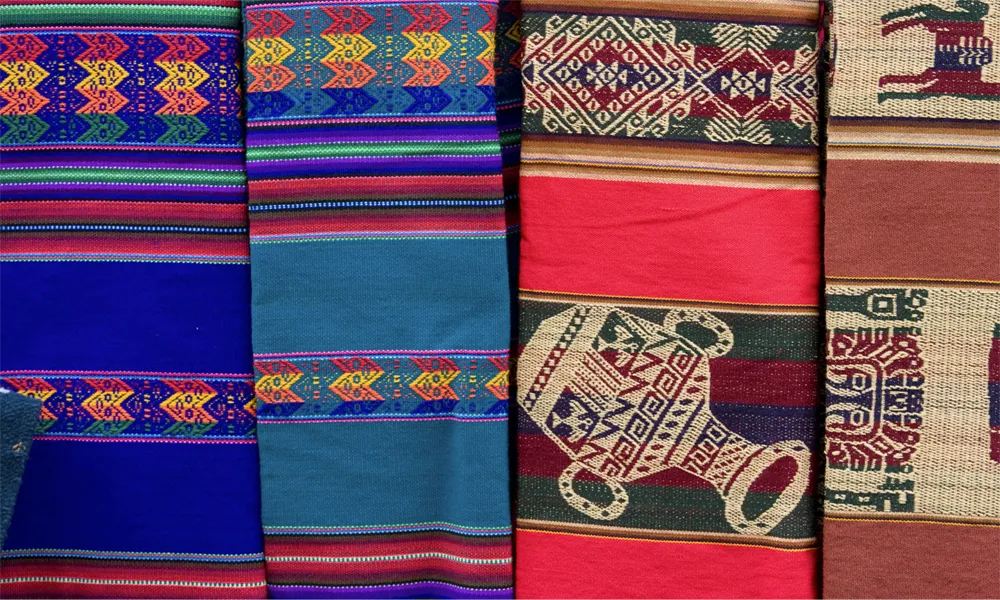
The museum also features a fascinating collection of ceremonial textiles, such as ritual blankets, flags, and rugs used in religious rituals and Andean celebrations. These textiles often contain symbols and colors that hold deep spiritual and symbolic meanings for Indigenous communities.
- 👗 Traditional Clothing and Festive Attire
One of the museum’s most striking collections is dedicated to traditional Andean clothing, especially festive costumes worn during important celebrations, such as the Carnival of Oruro and other religious and cultural events. These garments are rich in detail, embroidery, and weaving, and are made with materials ranging from llama wool to gold and silver threads.
🌍 The Cultural Importance of Textiles
Andean textiles from Bolivia are not just pieces of clothing; they are a form of cultural expression, identity, and ancestral wisdom. Each garment has a profound meaning, whether related to the indigenous worldview, religious rituals, or communication between communities. Through the study of textiles, researchers and visitors can gain a deeper understanding of the social, spiritual, and economic traditions of Andean communities.
Andean indigenous peoples have used textile art not only for clothing but also as a way to transmit stories, legends, and worldviews. The colors and patterns used in the textiles have symbolic meaning related to nature, deities, agricultural cycles, and the seasons.
🗺️ How to Get There
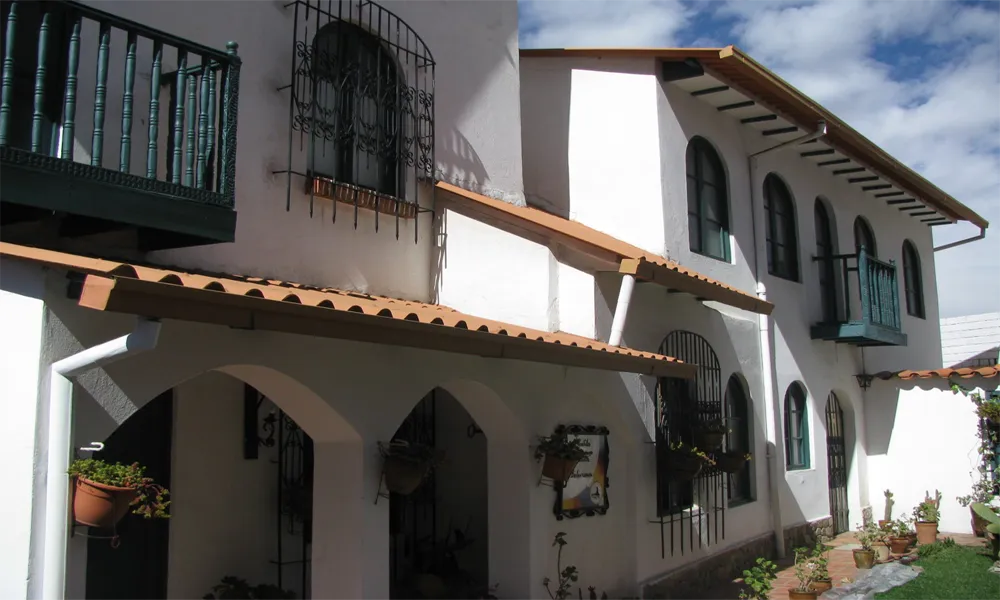
The Bolivian Andean Textile Museum is located in the historic center of La Paz, near other popular tourist attractions such as Plaza Murillo and the Casa de la Libertad (House of Liberty).
Address:
Calle Linares 936, La Paz, Bolivia
It is easily accessible on foot from the Mercado de las Brujas (Witches’ Market) and other tourist areas of the city. Taking a taxi or public transportation is recommended if you wish to avoid walking on La Paz’s steep streets.
🧭 Tips for Visiting
If you plan to visit the Bolivian Andean Textile Museum, here are some helpful tips:
- Hours: The museum is open Monday through Friday from 9:00 AM to 5:00 PM. It may be closed on weekends, so it is recommended to check before your visit.
Admission: Admission is generally affordable and offered at a reasonable price. Students and children may receive discounts. - Guided Tours: If you’d like to learn more about the textiles and their cultural significance, you can request a guided tour in Spanish or English. Guided tours provide in-depth context about the exhibited objects.
- Visit Time: We recommend allowing 1 to 2 hours to explore the museum, especially if you’re interested in the details of textile techniques and history.
- Photography: Photography is permitted in the museum, but it’s important to respect staff instructions in case there are restrictions in certain areas.
The Bolivian Andean Textile Museum is a cultural treasure that offers a window into the soul of Bolivia, allowing visitors to immerse themselves in the rich textile tradition of the Andean indigenous peoples. Through its impressive collection of textiles, ceremonial costumes, and textile art, the museum not only preserves history but also fosters the appreciation and conservation of these ancestral traditions. It is undoubtedly a must-see for anyone interested in Bolivian culture, history, and art.