

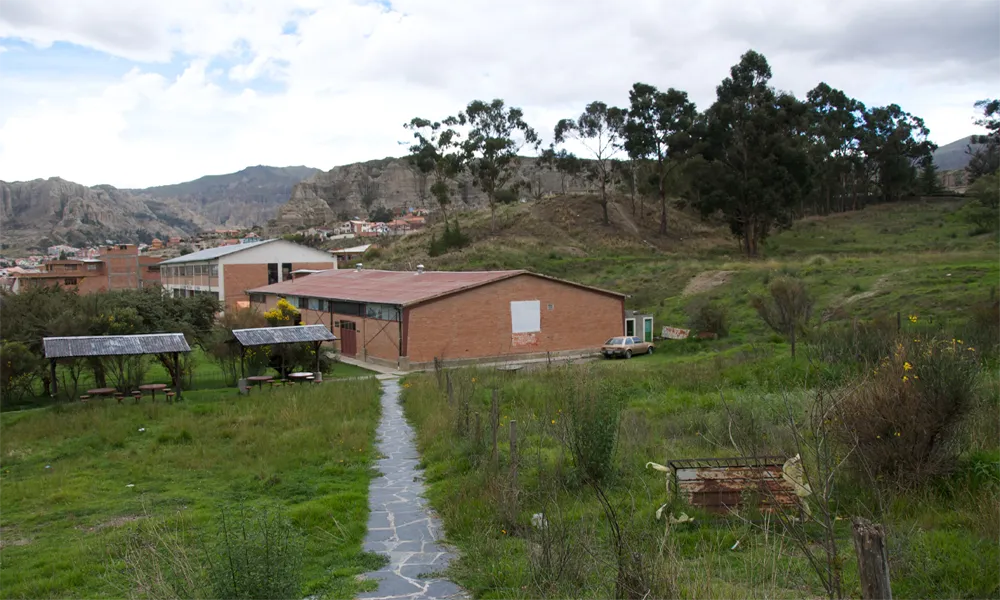
National Museum of Natural History of Bolivia: A Treasure Trove of Biodiversity and Science
The National Museum of Natural History of Bolivia, located in La Paz, is one of the country’s most important places to explore Bolivia’s rich biodiversity, geology, and natural history. This museum is a true journey into the heart of Bolivian nature, with exhibits ranging from prehistoric fossils to the most representative species of current flora and fauna. It is an essential stop for both science enthusiasts and travelers interested in learning more about Bolivia’s natural wealth.
🏛️ Museum History
The National Museum of Natural History was founded in 1930 under the direction of the Bolivian Institute of Geological Research, with the aim of conserving and studying the country’s natural resources. Over the years, the museum has been a key space for the scientific study and conservation of Bolivia’s natural heritage, becoming a benchmark for researchers, educators, and the general public.
The museum houses an impressive collection that highlights not only Bolivia’s flora and fauna, but also its geological history and evolution through the centuries. Since its opening, it has been a pillar of scientific education and environmental awareness.
🌍 Collection and Exhibitions
The National Museum of Natural History’s collection is divided into several sections, including fauna, flora, geology, paleontology, and ethnography, showcasing Bolivia’s natural diversity from prehistoric times to the present.
Some of the most outstanding exhibitions include:
- 🦕 Paleontology and Prehistoric Fossils
One of the museum’s most fascinating sections is its extensive collection of prehistoric fossils, including dinosaur bones, fossilized plants, and extinct animals that inhabited Bolivia millions of years ago. Among the most impressive finds are the remains of large prehistoric mammals and marine species that lived in the region of what is now the Andean Culture.
- 🌱 Flora and Fauna of Bolivia
The museum exhibits a wide variety of species that represent Bolivia’s unique biodiversity. From llamas, vicuñas, and pumas to exotic species like the jaguar and tapir, Bolivian species are represented in a series of dioramas and life-size models. Bolivian flora is also well represented, with native species from the tropical forests, highlands, and Amazon rainforest.
- 🦜 Birds and Mammals
Another interesting section is dedicated to the birds and mammals of Bolivia, a country characterized by its enormous diversity in these groups. The exhibit includes species from the Amazon rainforest, the Andean valleys, and the high mountains of the Chaco. Among the most striking specimens are endemic bird species, such as the Andean Condor and James’s Flamingo.
- 🏔️ Geology and Minerals
The geology of Bolivia is also a key section of the museum, with an impressive display of minerals, rocks, and geological fossils from various parts of the country. Bolivia’s rich geography, with its diverse mountains, rainforests, and deserts, provides unique material for studying Earth’s evolution.
🌿 Importance of the Museum
The National Museum of Natural History of Bolivia is of fundamental importance for both education and biodiversity conservation. Some of the museum’s most relevant functions include:
- Science Education: The museum is a learning space for students of all ages. It organizes guided tours, educational workshops, and environmental awareness programs for young people and children.
- Research: Scientific studies are conducted on fauna, flora, geology, and paleontology, helping to improve knowledge about Bolivian biodiversity and environmental stewardship.
🗺️ How to Get There
The National Museum of Natural History of Bolivia is located in La Paz, the country’s administrative capital, nestled in the heart of the Andes. The exact address is:
📌 Av. 16 de Julio, La Paz, Bolivia
The museum is within walking distance of other important tourist attractions in the city, such as Plaza Murillo and the Metropolitan Cathedral. It is easily accessible by taxi, public transportation, or on foot from the city center.
🧭 Tips for Visiting
If you’re planning a visit to the National Museum of Natural History, here are some tips:
Address: Calle 26 s/n, Cota Cota, La Paz, Bolivia
Hours: Monday to Saturday, 9:00 AM to 4:00 PM, closed on holidays
Approximate Admission Fees:
- Adults (12 years and older): 5 Bs
- Children (5-11 years): 3 Bs
- Seniors and people with disabilities: 2 Bs
- Foreigners: 12 Bs
Fees for school groups, university groups, and other groups are subject to agreements.
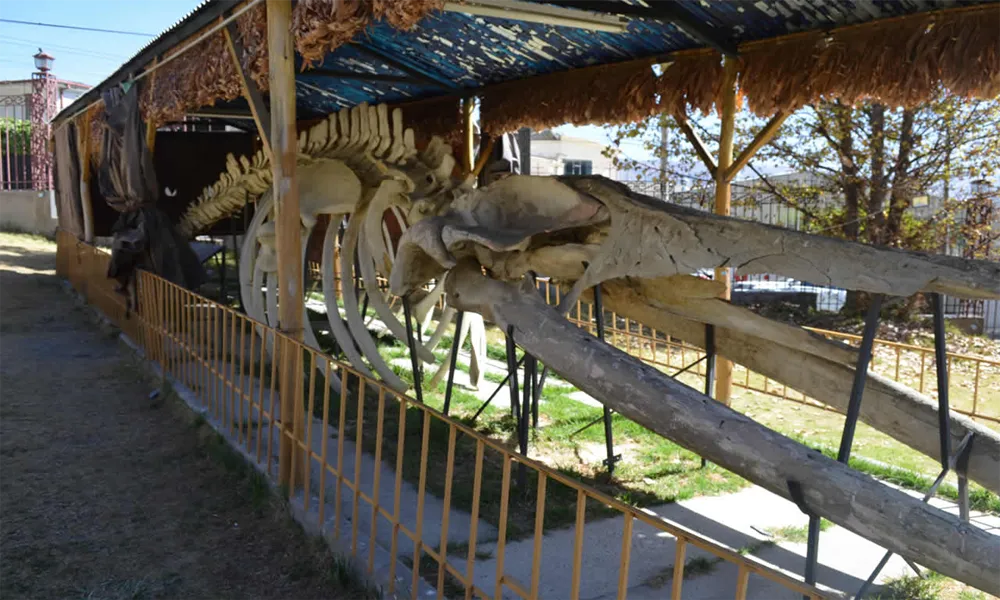
The National Museum of Natural History of Bolivia is a unique place that offers a profound understanding of Bolivia’s biodiversity, geology, and natural history. Through its vast collection of fossils, native species, and minerals, the museum stands as a haven for education, research, and conservation. It is undoubtedly a must-see for nature and science enthusiasts, as well as for anyone interested in learning more about the natural resources that make Bolivia a unique country in the world.