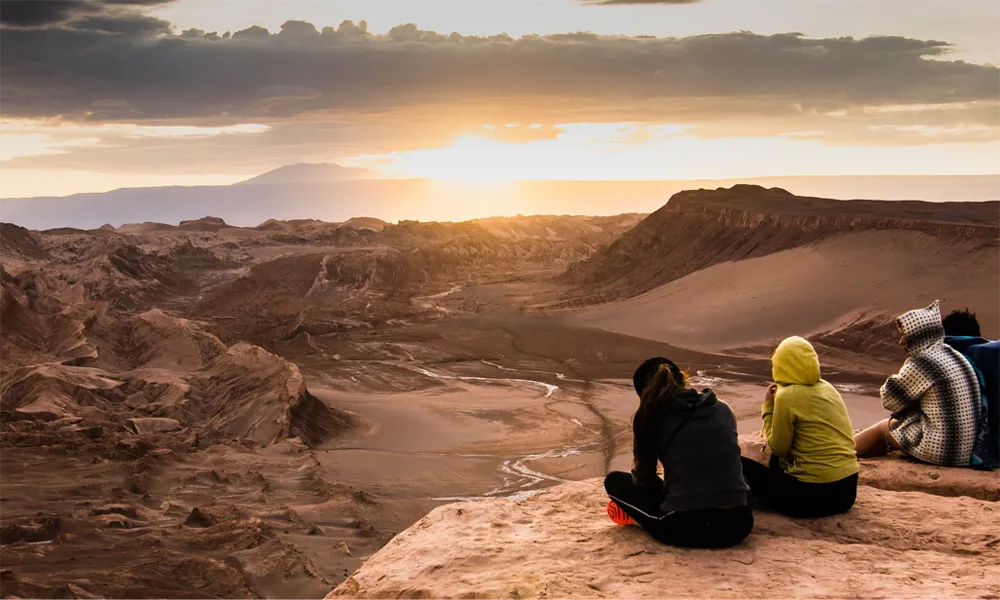

Complete Guide to San Pedro de Atacama and its connection with Uyuni
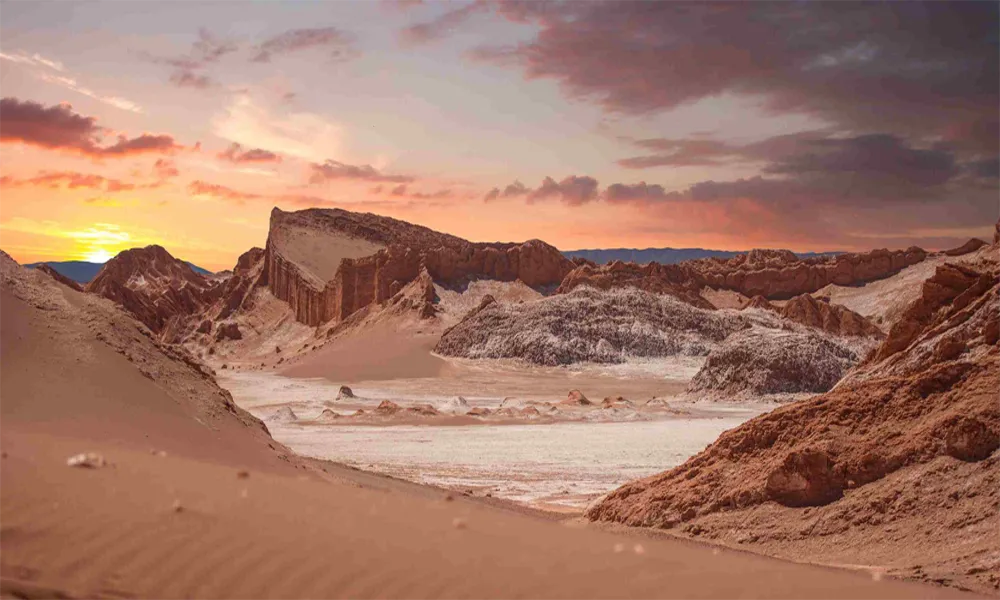
The San Pedro de Atacama – Uyuni trek is much more than a trip between Chile and Bolivia: it’s an expedition through some of South America’s most extreme and spectacular landscapes. For several days, you’ll traverse volcanic deserts, multicolored lagoons, active geysers, surreal rock formations, and the world’s largest salt flat. This journey is ideal for travelers seeking pristine nature, adventure, photography, and an authentic high-altitude experience.
📍 Starting and ending point of the trek
The route begins in San Pedro de Atacama, a tourist oasis located at 2,400 meters above sea level in northern Chile, and ends in Uyuni, the gateway to the Salar de Uyuni, in southwestern Bolivia.
During the journey, you’ll reach altitudes of 4,200 to over 5,000 meters above sea level, making this trip an intense and challenging, yet profoundly rewarding, experience.
🏜️ San Pedro de Atacama: Acclimatization and Preparation
San Pedro de Atacama is the ideal place to acclimatize before crossing to the Bolivian Altiplano. Its tourist infrastructure is among the best in northern Chile.
Main attractions in San Pedro:
- Moon Valley and Mars Valley
- Atacama Salt Flat and Chaxa Lagoon
- Miscanti and Miñiques Lagoons
- El Tatio Geysers
- Quitor Fortress
It is recommended to spend at least one or two nights here before the tour to acclimatize to the altitude and prepare your body.
🚙 How is the San Pedro de Atacama – Uyuni tour conducted?
The tour is conducted in 4×4 vehicles, driven by guides specializing in high-altitude routes. Most tours last three or four days, with basic accommodation in mountain huts or community hostels.
🧂 The Salar de Uyuni: The Final Jewel of the Tour
The Salar de Uyuni covers more than 10,500 km² and is one of the most breathtaking places on the planet. During the rainy season (January–March), the famous mirror effect is created, while in the dry season, it offers endless landscapes of white salt.
🦩 Flora and Fauna of the Altiplano
Despite the extreme conditions, the area boasts unique biodiversity:
- Andean, Chilean, and James’s flamingos
- Vicuñas and llamas
- Andean foxes
- Yaretas and high-Andean vegetation
- Wildlife is mainly observed in the lagoons.
🌦️ Climate and Best Time for the Tour
- April to November: dry climate, clear skies, intense cold.
- January to March: rain and the mirror effect on the salt flats.
- Daytime temperatures: 5 °C to 15 °C.
- Nighttime temperatures: down to -20°C.
🎒 Essential Recommendations
- Layered thermal clothing.
- Windproof and waterproof jacket.
- Valid passport.
- Altitude sickness medication.
- Sunscreen and UV sunglasses.
- Cash (no ATMs).
- External battery for cameras.
❓ Frequently Asked Questions
- Is it better to go from San Pedro to Uyuni or vice versa?
Both options are good; from San Pedro, you start with volcanic landscapes and end with the salt flats.
- Is the tour dangerous?
No, as long as it’s done with reputable operators and trained guides.
- Can it be done year-round?
Yes, but the experience varies depending on the season.