
The Coca Museum: The Sacred Leaf
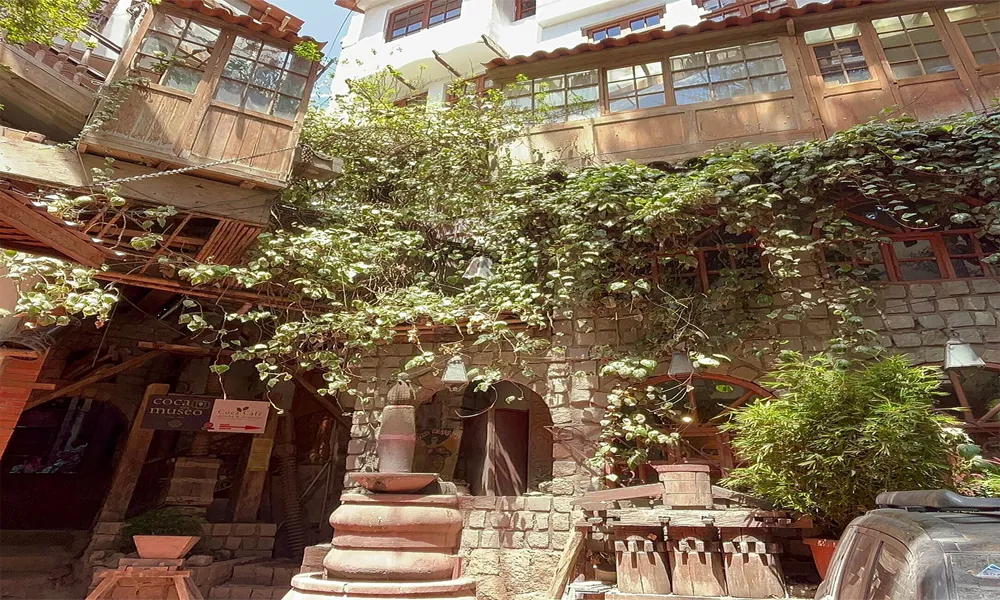
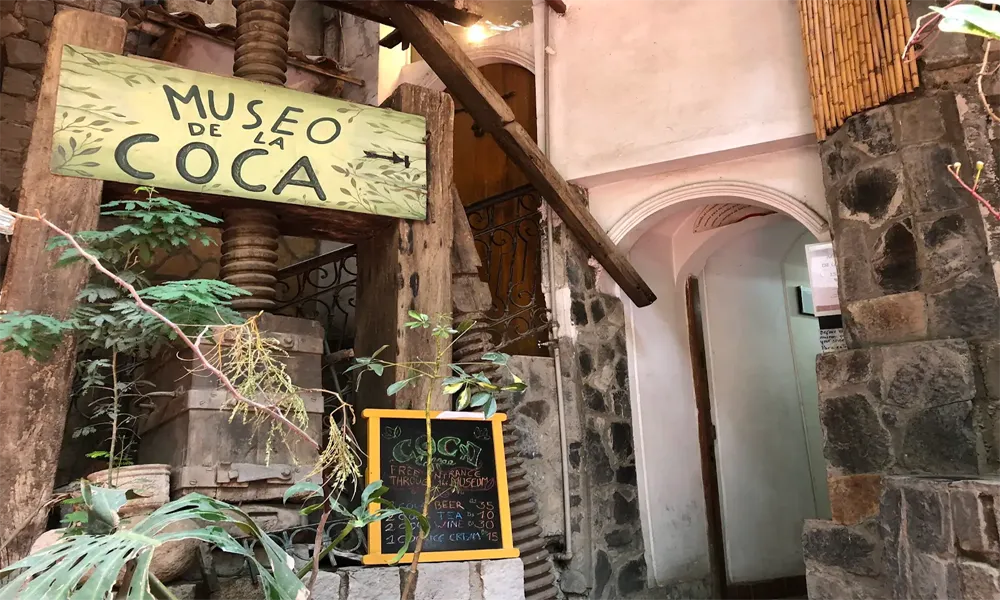
The Coca Museum is one of the most unique cultural spaces in the city of La Paz, offering a profound, informative, and unbiased look at one of the most important plants in Andean history: the coca leaf. Far removed from modern stigmas, this museum seeks to explain its true cultural, medicinal, ritual, and social value, which has been present from pre-Hispanic times to the present day.
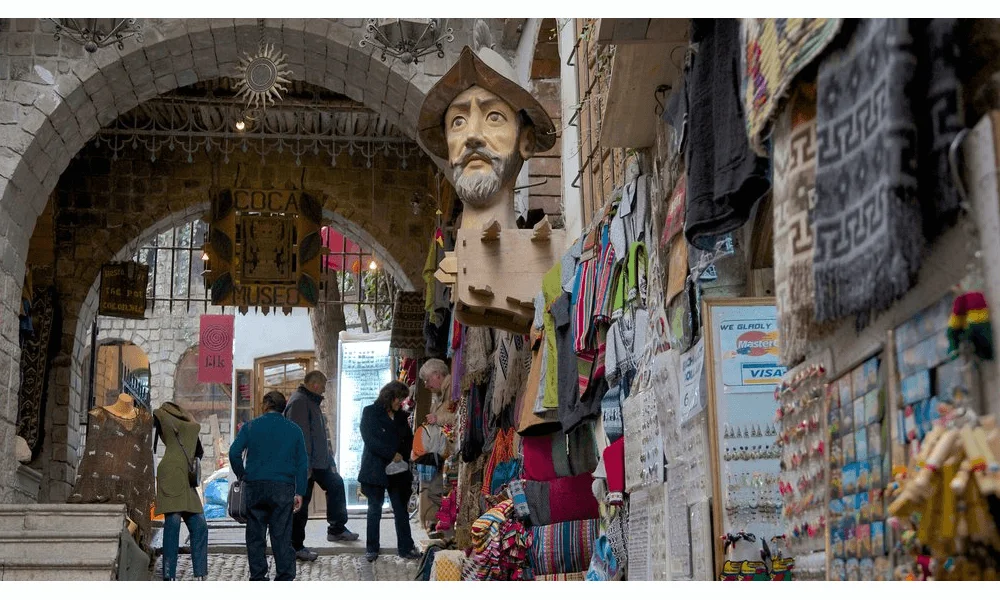
Located on the traditional Linares Street, a short walk from the Witches’ Market, the museum is a natural part of the historical and cultural circuit of downtown La Paz.
🏛️ History and Origin of the Coca Museum
The Coca Museum was founded in 1996 by Bolivian researcher Jorge Hurtado Gumucio, with the aim of reclaiming the coca leaf as a cultural heritage of the Andean peoples. Its creation stemmed from the need to clarify the difference between the plant in its natural state and the chemical derivatives obtained through industrial processes.
Since its opening, the museum has established itself as an educational and reflective space, visited by tourists, students, researchers, and local residents interested in understanding the true historical dimension of coca.
🌱 The Coca Leaf in the Andean Worldview
In the Andean world, coca is considered a sacred plant. Its use dates back thousands of years and is deeply connected to daily life, spirituality, and the relationship with nature.
Traditional Uses of Coca
- Ritual and Spiritual: used in offerings to Pachamama (Mother Earth), agricultural ceremonies, and community events.
- Medicinal: used to alleviate altitude sickness, stomach aches, fatigue, and respiratory problems.
- Social: chewing coca serves a function of social integration and physical endurance.
- Energetic: allows people to endure long workdays in extreme weather conditions.
The museum explains these uses from an anthropological perspective, highlighting their continued relevance in both rural and urban communities.
🗂️ What will you find inside the Coca Museum?
- 📜 History and Ethnobotany
The first rooms present the botanical origin of the plant (Erythroxylum coca), its domestication, and its spread throughout the Andes. Explanatory panels show how coca was fundamental to the pre-Incan and Incan civilizations.
- 🧠 Coca and Science
The natural composition of the leaf is clearly explained, differentiating it from the processed alkaloid. The museum addresses the real effects of coca on the body when consumed in its traditional form.
- 🌎 Coca and Colonialism
An important section analyzes how the perception of coca changed during the colonial and republican periods, going from being a sacred plant to an element stigmatized by external policies.
- ⚖️ Contemporary Debate
The tour includes a critical look at the criminalization of coca, the social impact of anti-drug policies, and the defense of the cultural rights of indigenous peoples.
🛍️ Coca-Cola Products
The museum exhibits and sells legal products made from coca, such as:
- Infusions and teas
- Sweets and candies
- Coca flour
- Natural ointments and salves
☕ Cultural Space and Sensory Experience
At the end of their visit, many visitors enjoy a sensory experience, tasting coca tea or exploring traditional products. This space complements the theoretical tour with a direct and respectful experience of Andean culture.
🎯 Why Visit the Coca Museum?
Visiting the Coca Museum is an opportunity to:
- Understand Andean cultural identity from an authentic perspective.
- Dispel myths and prejudices associated with the coca leaf.
- Appreciate a living tradition that remains an essential part of life in the Andes.
- Enrich your trip to La Paz with profound historical, social, and cultural content.