

Torotoro, Bolivia: Giant Caves, Breathtaking Canyons, and Dinosaur Footprints
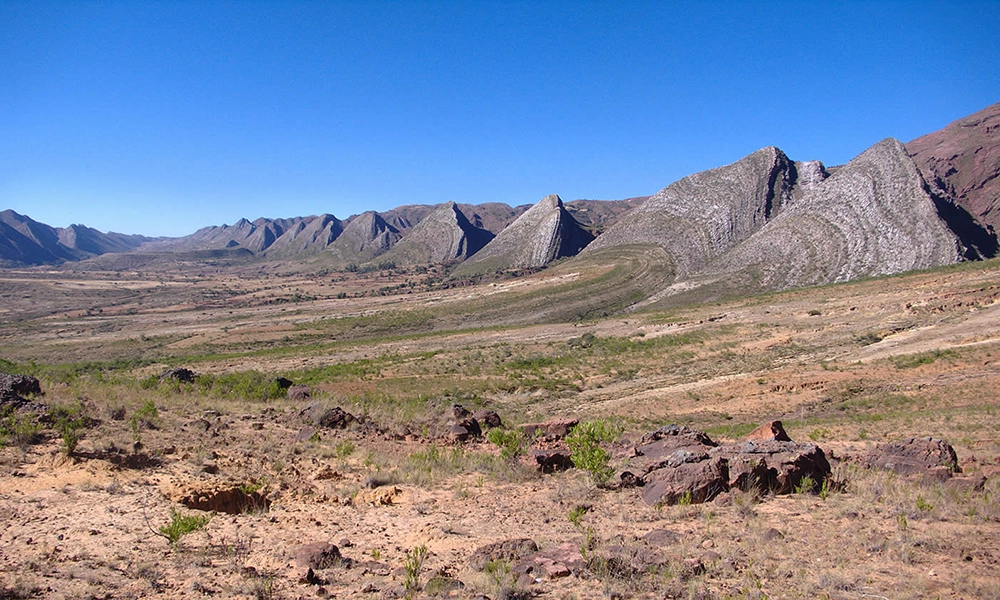
Torotoro (or Toro Toro) is one of Bolivia’s most surprising destinations because it combines three powerful experiences in a single trip: adventure, spectacular landscapes, and paleontological heritage. Its main jewel is Torotoro National Park, a protected area located in the northern part of the Potosí department, famous for its paleontological sites, limestone formations, and caverns—including the renowned Umajalanta, considered by many sources to be the deepest and longest in the country.
Torotoro is ideal if you’re looking for a unique trip: hike along stone trails, gaze into the abyss from natural viewpoints, explore caves with stalactites and stalagmites, and discover dinosaur footprints carved into the rock face in the open air.
📍 Where is Torotoro located?
Torotoro is a municipality in northern Potosí (Charcas province), and the park extends across an area with altitudes that generally range, according to descriptions, between 1,600 and 3,600 meters above sea level.
Although it belongs to Potosí, the most common access point for travelers is from Cochabamba, due to the route and available transportation options.
🚐 How to get to Torotoro
From Cochabamba (the most common route)
- Minivan/bus to Torotoro: the journey usually takes around 4 hours, depending on departures, stops, and road conditions.
- Local information indicates frequent departures throughout the day, with the last bus leaving around 6:00 PM.
Realistic tip: Arrive in Torotoro with plenty of daylight (if possible), so you can settle in comfortably and start your hikes early the next day.
🌤 Climate and Best Time to Visit
Torotoro has a climate that is generally mild in the sun and cool in the mornings and evenings. For hiking and canyoning, most people prefer the dry season (approximately April to October) due to better visibility and more stable trails.
Extra tip: Even in the dry season, bring a light jacket: temperature fluctuations are typical of the Andean valley.
🧭 How to Visit Torotoro National Park?
Torotoro operates on circuits (routes), and many tours and descriptions recommend entering with a local guide, especially for:
- canyons (for safety and navigation),
- caves (for equipment and protocols),
- and areas with trails (to properly interpret what you are seeing).
In addition, many excursions are organized in the morning, grouping visitors together.
🦕 The best of Torotoro: must-see attractions
1) Dinosaur footprints (ichnites): the reason Torotoro is famous
Torotoro is known for its paleontological sites and the presence of fossilized footprints in the rock (ichnites).
The incredible thing is that you’re not “looking at a drawing”: you’re standing in front of real marks, imprinted millions of years ago, on the very ground you walk on today.
How to best enjoy them:
- Take your time,
- Take photos with a reference point (your hand or your shoe next to them, without stepping on them),
- And listen to the guide’s explanation to understand the size, direction, and approximate age.
2) Umajalanta Cave: the most famous underground adventure
The Umajalanta Cave is one of the park’s icons: a huge cave formed by karst processes, with stalactites and stalagmites, large galleries, and narrow sections. It is described as 4,600 meters long and one of the deepest/longest canyons in Bolivia; furthermore, visits are usually mandatory with a guide, and equipment such as a helmet and headlamp are recommended.
It is also mentioned that it is a few kilometers from the town (references vary between 8 and 10 km, depending on the source).
What it feels like inside:
- lower temperature,
- humidity in certain chambers,
- total darkness in sections,
- and a very “movie-like” feeling as you move among rock formations.
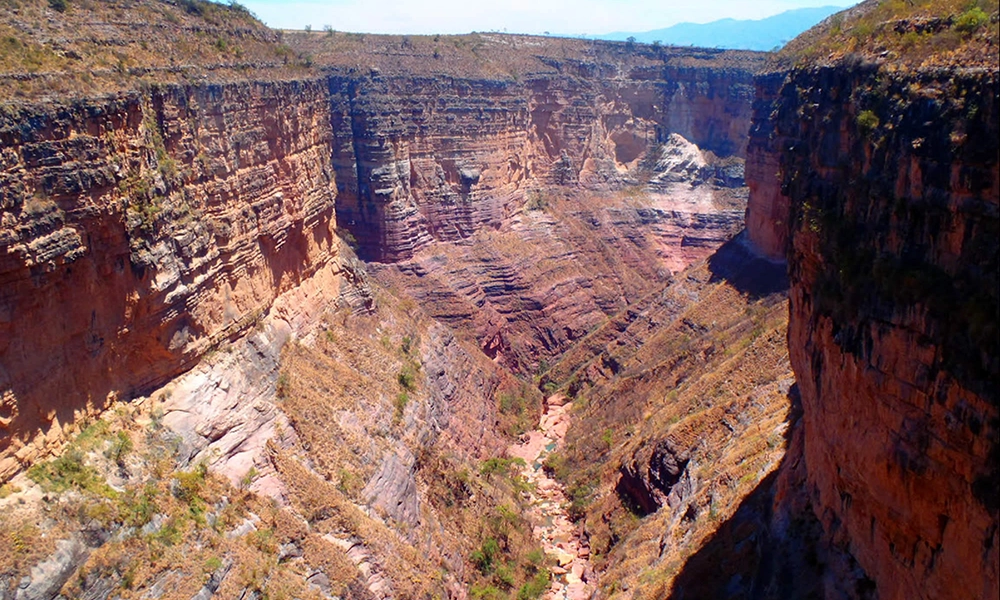
3) Vergel Canyon: viewpoints + stairs + water at the bottom
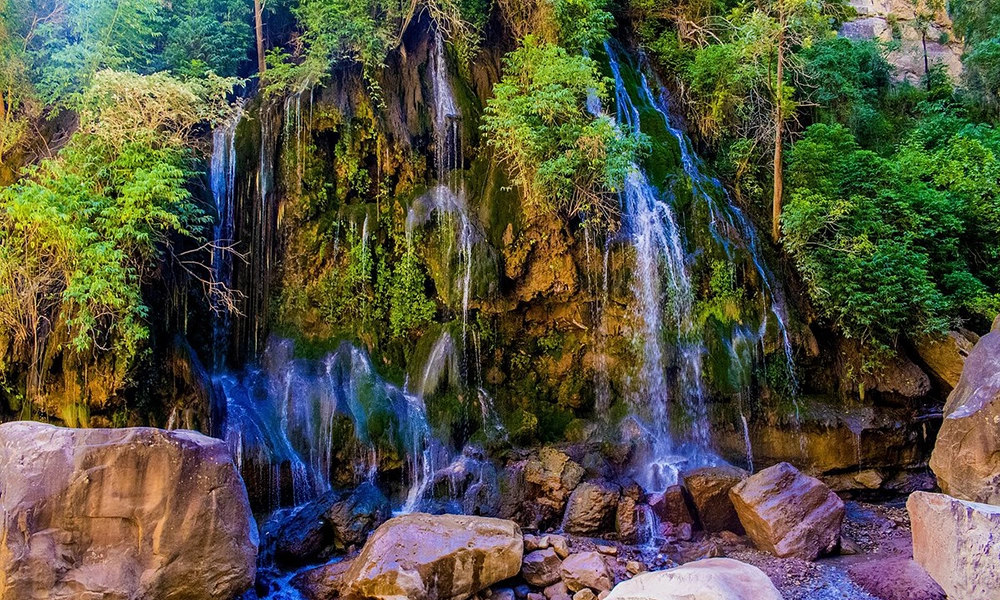
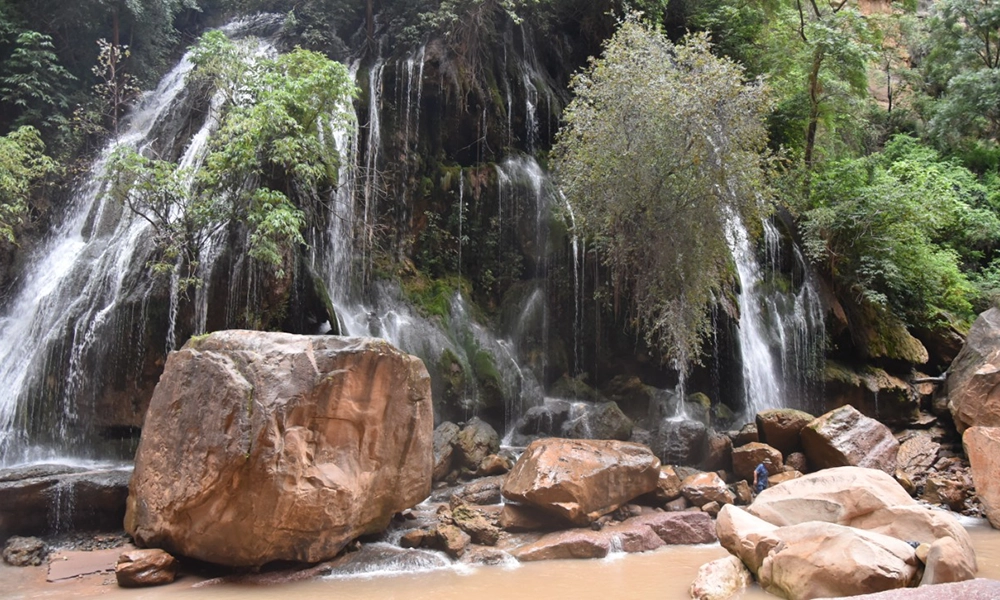
Vergel is one of the most impressive circuits due to its canyon walls and the experience of descending (and then ascending) a large staircase to the bottom, where the landscape becomes greener and areas with water/pools and waterfalls appear during the favorable season. Tourist itineraries mention a descent of more than 800 steps.
Note: This route is demanding on the legs (due to the climb), but it’s totally worth it for the contrasting landscapes.
4) Itas City: The Rock “Labyrinth”
The City of Itas is an area of rock formations with natural shapes: passageways, “windows,” and structures that appear carved. It’s an excellent route for taking photos and for walking without the same level of exertion as the canyon.
🗓 Recommended Itineraries (depending on your number of days)
✅ Torotoro in 1 day (if you’re short on time)
- Arrive very early
- Short circuit (Itas or nearby trails)
- Return
It’s tight, but possible if you just want to “experience” Torotoro.
✅ Torotoro in 2 days (the essentials and most recommended)
- Day 1: Itas Town + trails + viewpoints
- Day 2: Umajalanta Cave
Torotoro in 3 days (the ideal trip)
- Day 1: Itas + viewpoints
- Day 2: Umajalanta
- Day 3: Vergel Canyon (adventure day)
✅ Torotoro in 4 days (for a more relaxed pace)
Add extra easy hikes, more trail points, and time to enjoy the town at a leisurely pace.
💲 Reference Rates and Costs (Useful for Your Blog)
A local guidebook for the destination lists park entrance fees (SERNAP) with categories such as:
- 20 Bs (Bolivian students with ID / Bolivian senior citizens)
- 40 Bs (Bolivian visitors)
- 100 Bs (foreign visitors)
For transportation, route planners typically estimate:
- Minivan: around 4 hours from Cochabamba.
(Prices may vary by season; it’s perfect to use “reference” in a blog post.)
🛏 Where to Stay in Torotoro?
Torotoro is a small town, so you’ll usually find:
- Basic and family-run guesthouses,
- simple but comfortable accommodations to rest after hiking.
Pro tip: Book in advance or arrive early on holidays/weekends, as availability is limited.
🍲 What to eat (and what to bring)
In town, you’ll usually find:
- home-cooked meals,
- soups/broths (perfect for a chilly afternoon),
- simple but comforting options.
If you’re looking for “energy for trekking,” bring:
- snacks (nuts, energy bars),
- water,
- something sweet for the climb up Vergel.
🎒 What to bring to Torotoro (practical list)
- Trekking shoes or sneakers with good traction
- Headlamp (even with a guide, it’s incredibly helpful)
- Layered clothing (morning/evening)
- Hat, sunglasses, and sunscreen (the sun is strong)
- Lightweight gloves (for caves and chilly mornings)
- Small backpack for the circuit (water + snacks)
✅ Travel tips that really work
- Plan your routes early: this way you make the most of the whole day.
- Go at your own pace: especially on Vergel (the climb is tough).
- Don’t step on footprints: look at them and photograph them respectfully.
- In the cave: always follow instructions, because there are slippery and narrow areas.
❓ Frequently Asked Questions about Torotoro (FAQ)
How many days do I need to see the main sights?
With 2 days you can see the essentials (Itas + Umajalanta). With 3 days, you can add Vergel for the complete experience.
Can I visit without a guide?
For several circuits (especially the cave), a guide and equipment are recommended/requested for safety.
Is Torotoro suitable for children or seniors?
Yes, but the ideal circuit depends on your physical condition. Itas and the viewpoints are easier; Vergel is more demanding due to the stairs.
Is the cave scary?
It’s not “terrifying,” but it is dark and damp in places. If you are uncomfortable in enclosed spaces, let the guide know and take the tour at a relaxed pace.
Which circuit is best for epic photos?
- Itas, for its rock formations
- Vergel, for the canyon
- Umajalanta, for its underground world