
Yvaga Guazú Ecological Park, Bolivia
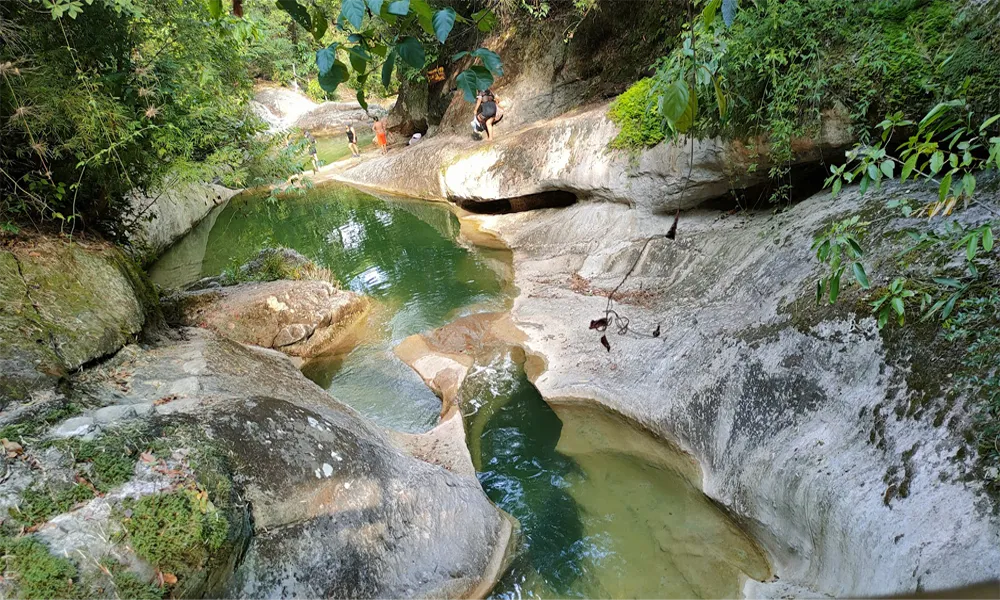
Yvaga Guazú Ecological Park is one of the most important natural spaces for environmental conservation and ecological education in eastern Bolivia. Located in the metropolitan area of Santa Cruz de la Sierra, this park has become a green refuge that protects local biodiversity and promotes harmonious coexistence between nature and the city.
Its name, Yvaga Guazú, comes from the Guarani language and means “great paradise,” a definition that perfectly reflects its natural essence, tranquility, and ecological value.
🌱 What is Yvaga Guazú Ecological Park?
Yvaga Guazú is an ecological park dedicated to the protection of native ecosystems, the rehabilitation of wildlife, and environmental education. It serves as a green lung for Santa Cruz and as a learning space for students, families, and visitors interested in nature.
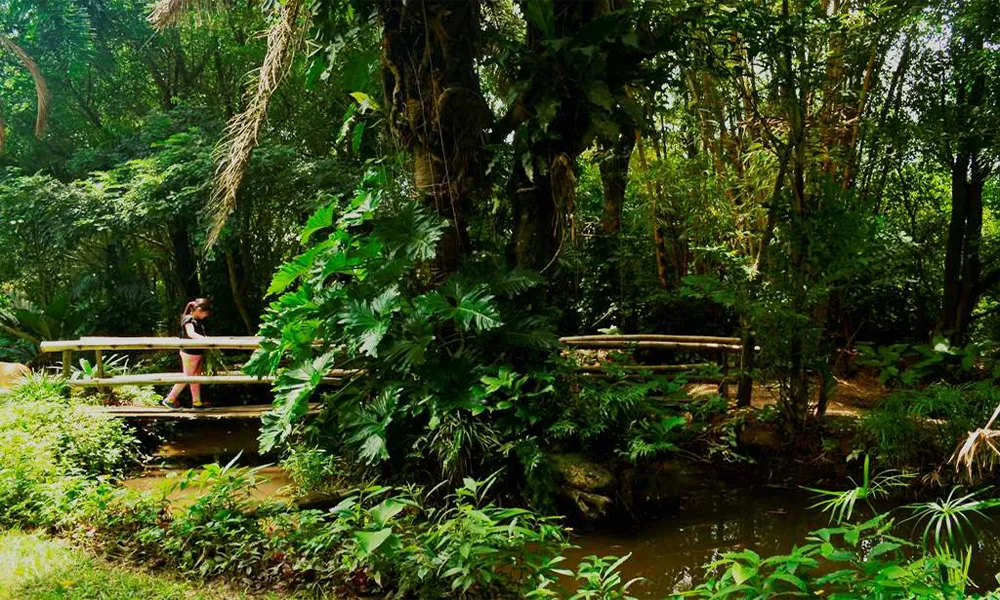
The park combines conservation areas with interpretive trails, educational zones, and spaces designed for the responsible observation of flora and fauna.
📌Services and Accessibility
- Public Transportation: Several bus lines (e.g., 44, 82, 133) stop nearby, just a few minutes’ walk from the park.
- Hours: Open daily from 9:00 a.m. to 4:00 p.m., including holidays.
- Entrance Fees: According to reviews, around 40 Bs for residents and 90 Bs for foreigners, with a guide included. Other sources indicate 30 Bs for adults and 15 Bs for children, with complete tours at 50 Bs and 30 Bs respectively.
- Food and Entertainment: The park features a restaurant serving regional cuisine, a small playground, a craft shop, and recreational options such as horse-drawn carriage rides.
🐾 Park Flora and Fauna
One of Yvaga Guazú’s greatest attractions is its biodiversity, representative of the ecosystems of eastern Bolivia.
🌳 Flora
- Large native trees
- Vegetation typical of tropical dry and humid forests
- Medicinal plants and endemic species
- Reforestation and natural regeneration areas
🦜 Fauna
- Wild birds such as toucans, macaws, and parrots
- Small mammals rescued or undergoing rehabilitation
- Reptiles and amphibians native to the region
- Species protected under conservation programs
Animal observation is always conducted under strict rules of respect and care.
🚶 Activities You Can Do
Visiting Yvaga Guazú Ecological Park is a peaceful and educational experience. Among the main activities are:
- Hiking along nature trails
- Birdwatching and wildlife viewing
- Guided educational tours
- Nature and landscape photography
- Environmental education activities for schoolchildren
- Ecological awareness workshops
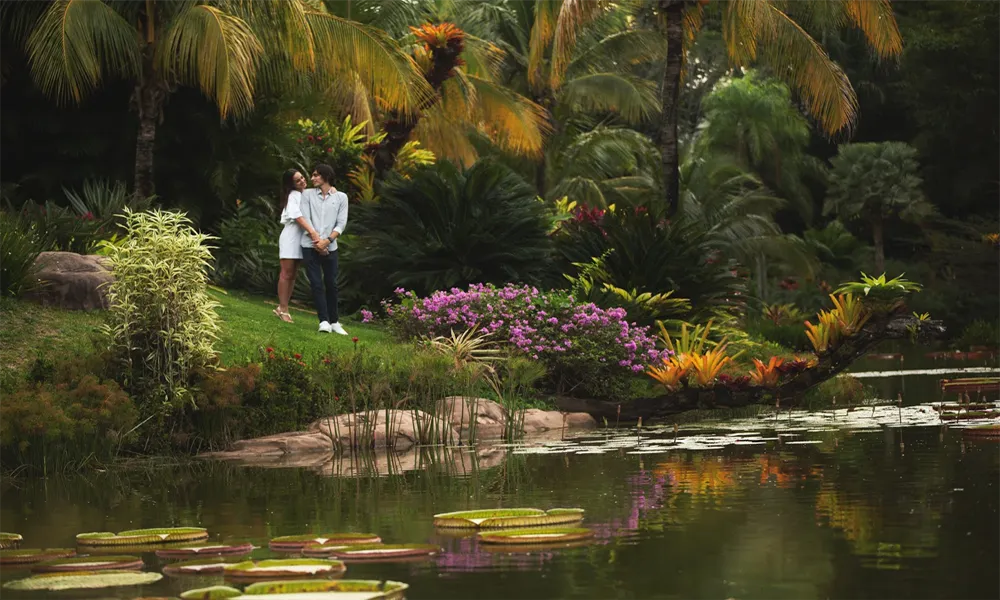
It’s an ideal place to disconnect from the urban noise and reconnect with nature.
🌎 Environmental and Social Importance
Yvaga Guazú plays a key role in the environmental conservation of Santa Cruz. It not only protects green areas, but also:
- Promotes environmental education for children and young people
- Encourages respect for biodiversity
- Supports wildlife rescue and rehabilitation programs
- Contributes to the fight against urban deforestation
Its existence reinforces the need to integrate nature into urban growth.
🧭 Recommendations for your visit
- Wear comfortable clothing and appropriate footwear for hiking.
- Bring water and sun protection.
- Do not feed or touch the animals.
- Respect the marked trails.
- Remain silent so as not to disturb the wildlife.
- Avoid leaving any trash.
- Responsible tourism is essential to preserving this space.
❓ Frequently Asked Questions
- Is it a suitable place for families?
Yes, it is ideal for families, students, and people of all ages interested in nature.
- Can it be visited at any time of year?
Yes, although during the dry season the trails are usually more accessible.
- Is it a zoo?
No. Yvaga Guazú is an ecological park focused on conservation, education, and rehabilitation, not commercial exhibition.
- Is photography allowed?
Yes, as long as it is done without disturbing the animals or damaging the natural environment.
🌿 A Natural Oasis in Santa Cruz
Yvaga Guazú Ecological Park is a true natural sanctuary within the city. Its combination of biodiversity, education, and conservation makes it an essential space for those seeking to learn about and protect Bolivia’s natural wealth.
Visiting it is an opportunity to learn, reflect, and appreciate the importance of caring for our ecosystems, now more than ever.