
Alalay Lagoon – Cochabamba’s Natural Green Space and Recreational Area
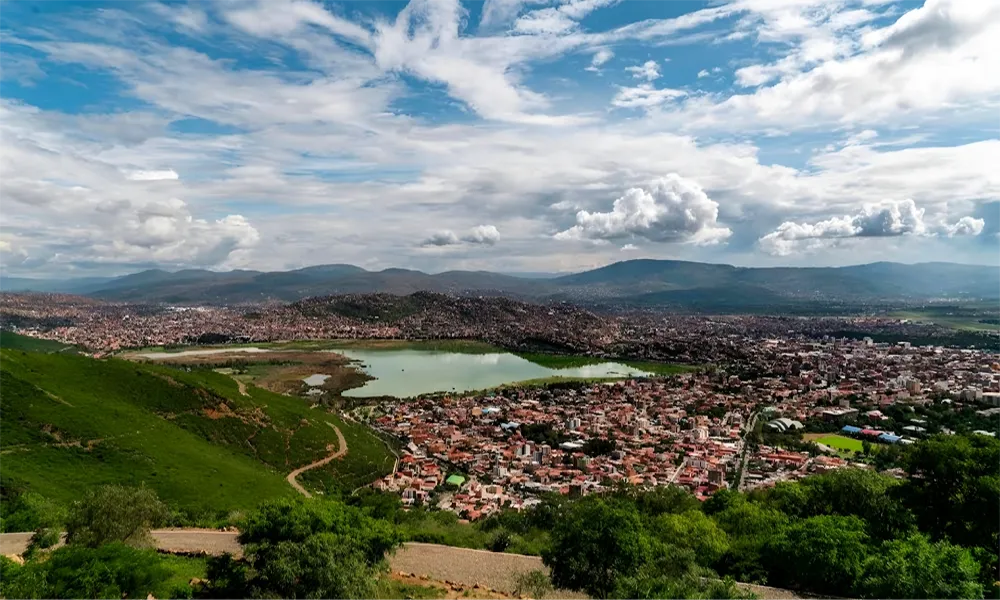
Alalay Lagoon is one of the most representative urban green spaces in the city of Cochabamba. Located south of the city, this artificial lagoon plays a key role as a recreational, scenic, and environmental area, serving as a daily meeting point for athletes, families, and visitors seeking a natural respite within the city.
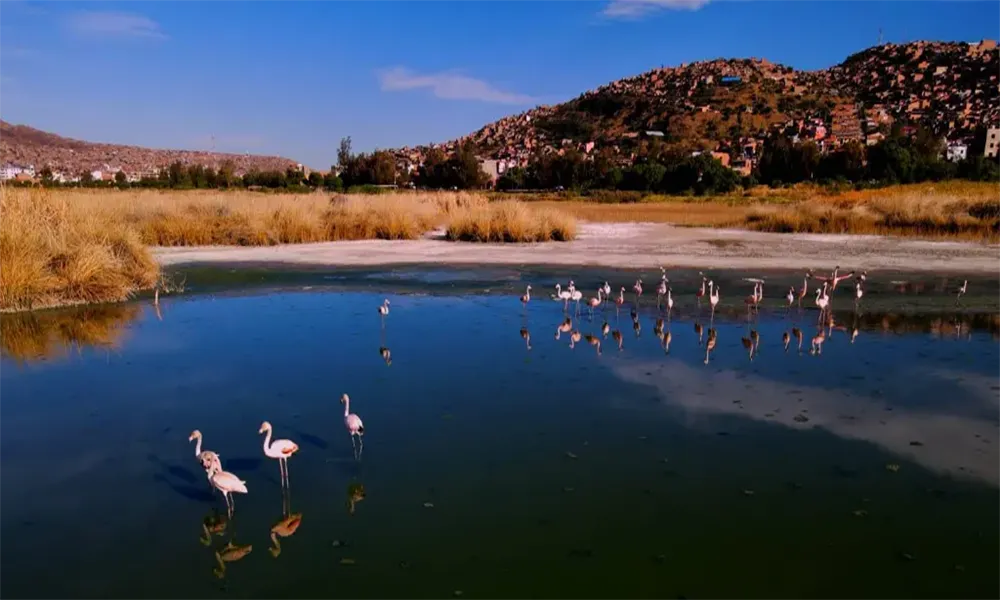
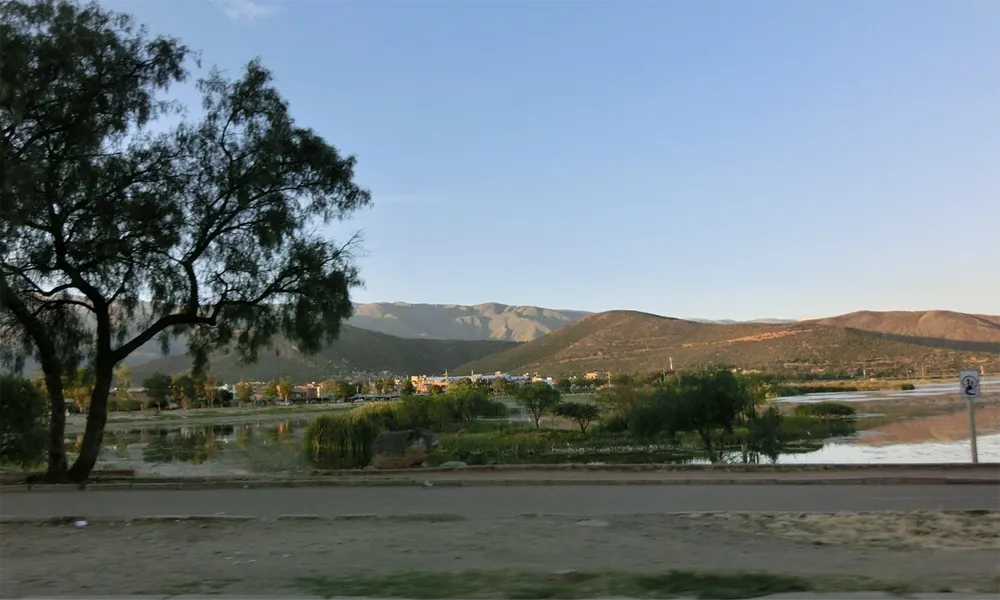
With a wide boardwalk and surrounding green areas, Alalay Lagoon is ideal for walking, exercising, or enjoying a moment of tranquility. At dawn and dusk, the area offers special landscapes, with reflections of the sky on the water and the constant presence of birds that enrich the environment.
🕰️ History and Origin
Alalay Lagoon was originally created as a water reservoir for agricultural irrigation in the Cochabamba Valley. With urban growth, its function evolved into a public space of great environmental and social value. Over time, it has undergone processes of ecological restoration and urban revitalization, solidifying its position as a symbol of the relationship between nature and the city.
Its name, of Quechua origin, is part of the local cultural identity and is deeply linked to the history of the valley.
🐦 Biodiversity and Birdlife
One of the greatest attractions of Laguna Alalay is its biodiversity, especially its birdlife. Herons, ducks, Andean gulls, and other species, both resident and migratory, use this area as a refuge and resting place.
The aquatic vegetation and surrounding green areas contribute to the ecological balance of the site, making it an ideal location for birdwatching, environmental education, and nature photography.
🚴 Recreational Activities
Laguna Alalay is one of Cochabamba’s main outdoor recreational spaces. Among the most common activities are:
- 🚶 Walking and jogging around the boardwalk
- 🚴 Recreational cycling
- 🧘 Outdoor exercise and yoga
- 📷 Landscape and bird photography
- 👨👩👧 Spaces for rest and family recreation
On weekends, the area comes alive and becomes a key social hub for the city.
🌎 Environmental Importance
In addition to its recreational value, Laguna Alalay fulfills an essential environmental function. It helps regulate the urban microclimate, contributes to improving air quality, and acts as a green lung in a densely populated area.
Its conservation is fundamental to maintaining the ecological balance and the quality of life for the inhabitants of Cochabamba.
✅ Recommendations for visiting
- 🌅 Visit in the morning or at sunset
- 🧢 Bring a hat and sunscreen
- 💧 Stay hydrated
🚯 Do not litter and respect the environment - 🐦 Observe the wildlife without disturbing it
❓ Frequently Asked Questions about Alalay Lagoon
- Where is Alalay Lagoon located?
It is located in the southern part of the city of Cochabamba and is easily accessible from various urban areas.
- Are there visiting hours?
It is open to the public, so it can be visited throughout the day, although daytime visits are recommended for safety and to better enjoy the scenery.
- Can I exercise at Alalay Lagoon?
Yes. It is a popular spot for walking, jogging, cycling, and other outdoor activities.
- Is it a good place for birdwatching?
Yes. The lagoon is home to diverse bird species, making it an ideal spot for wildlife observation and photography.
- Is it recommended for a family visit?
Absolutely. It’s a spacious, peaceful area, perfect for family outings and recreational activities.
- Why is it important to protect Laguna Alalay?
Because it fulfills key environmental functions, improves the quality of urban life, and protects local biodiversity.
🌅 A Living Space in Cochabamba
Laguna Alalay is much more than a body of water: it’s a living space that reflects the urban, natural, and cultural identity of Cochabamba. Visiting it is a way to reconnect with nature, appreciate green spaces, and understand the importance of its conservation for future generations.