
Archaeological Museum of the University (INIAM-UMSS): A Journey into the Past of the Andes
Located in the historic city of Cochabamba, Bolivia, the Archaeological Museum of the University (INIAM-UMSS) is a cultural treasure that offers a fascinating window into the pre-Hispanic past of the Andes. More than just a museum, it is a vibrant space where ancestral history, scientific research, and the cultural identity of the indigenous peoples who inhabited this region for millennia converge.
📌Location and Practical Information
It is located on a historic corner at the intersection of Nataniel Aguirre and Jordán streets, very close to Plaza 14 de Septiembre, in downtown Cochabamba.
Opening Hours:
- Monday to Friday: approximately 8:00 AM – 6:00 PM or until 8:00 PM (varies depending on the source)
- Saturday: 8:30 AM – 12:30 PM
- Sunday: Closed
Contact Phone: +591 4-4250010
📜 History and Origin of the Museum
The museum was founded as an initiative of the Universidad Mayor de San Simón (UMSS), through the Institute of Archaeological Research and Museum (INIAM), with the purpose of preserving, studying, and disseminating the archaeological heritage of central Bolivia. Over the years, it has become a leading academic and cultural institution, connecting students, researchers, and visitors with the ancient roots of the Andes.
🏛️ What to See at the Museum
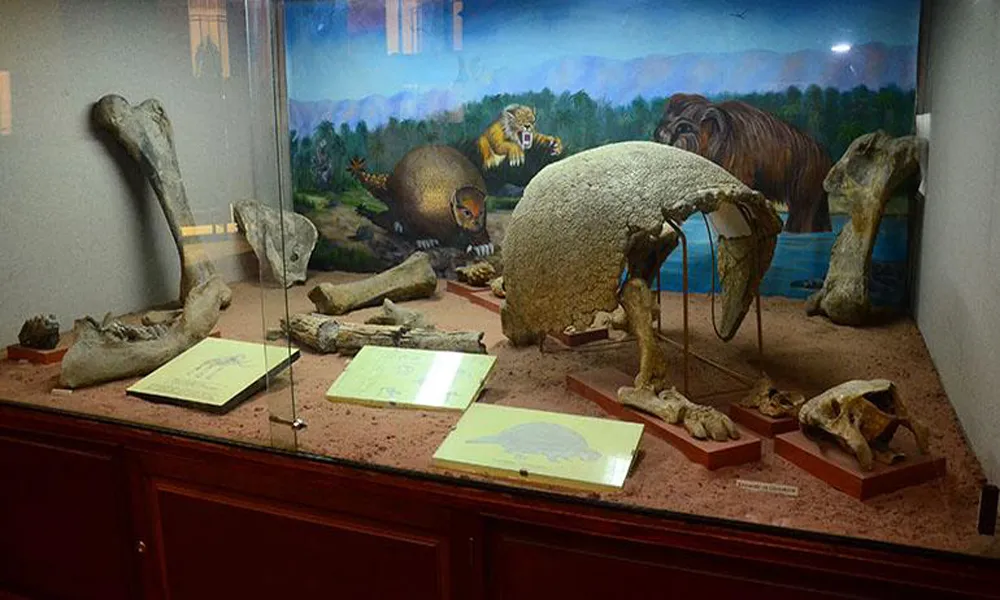
The space is organized in an educational and engaging way, allowing visitors to explore different stages of pre-Columbian history:
- 💎 Archaeological Collections:
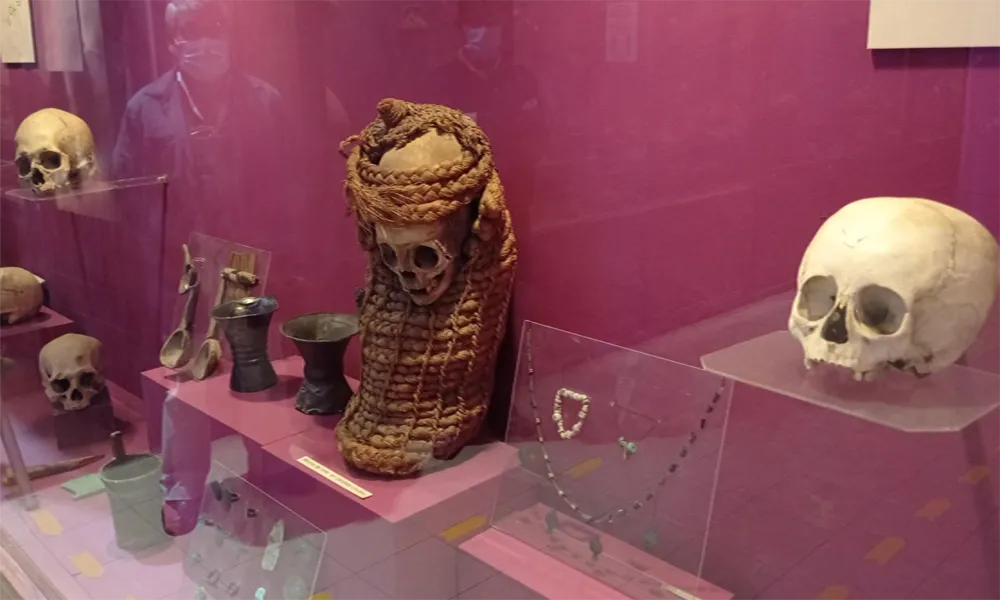
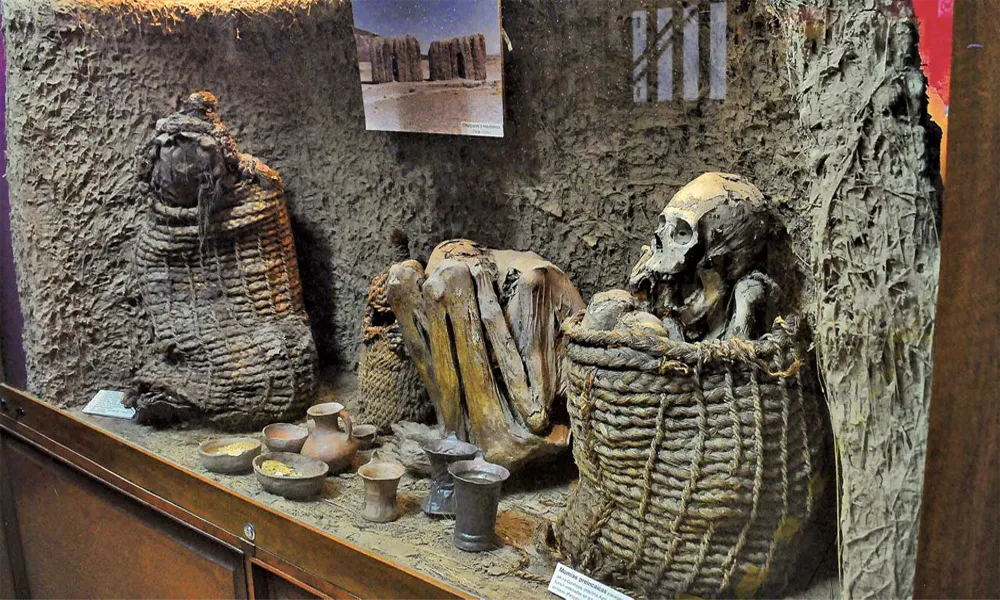
The permanent exhibition presents everyday and ceremonial objects—such as ceramics, stone tools, textiles, and metal objects—that were used by Indigenous societies from ancient times until the arrival of Europeans. Each piece tells a unique story of creation, use, and cultural significance.
- 📍 Andean Cultures Represented:
The museum’s galleries cover a broad temporal and geographical range, with an emphasis on cultures such as:
- Chané and Arawak: Agricultural societies with outstanding ceramics.
- Tiahuanaco: An ancient civilization with influence throughout the Andean region.
- Inca: An empire that extended its dominion and consolidated cultural and administrative networks.
- 🪶 Interpretation and Meaning:
The museum not only exhibits objects but also contextualizes each piece: How was it made? What was its use? What does it tell us about the lives of the people who used it? This information transforms a simple visit into a profound educational experience.
🧠 Educational Activities and Community
The UMSS Archaeological Museum offers educational workshops, guided tours, and pedagogical activities for students of all levels, researchers, and the general public. These spaces allow for interactive learning, promoting respect and appreciation for cultural heritage.
Furthermore, the institution fosters responsible archaeological research, collaborating with local communities to ensure that the findings and their interpretation respect the ancestral voices they represent.
🌎 An Experience for Everyone
You don’t need to be an archaeology expert to enjoy this museum. The visual narrative and explanatory materials make the visit accessible, educational, and exciting for national and international tourists, families, students, and history enthusiasts.
📅 Tips for Your Visit
- Recommended time: 1 to 2 hours for a leisurely visit.
- Ideal for: Students, families, and travelers interested in Andean history and culture.
- Climate: Cochabamba has a temperate climate, perfect for combining your visit with a stroll through the city’s historic center.
The Archaeological Museum of the University
The Archaeological Museum of the University (INIAM-UMSS) is much more than just display cases of ancient artifacts: it’s a bridge between generations, a space where the past comes alive and becomes a source of inspiration and knowledge for the present. If you want to understand the roots of the Andes and their ancient legacy, this museum is a must-see on your cultural itinerary in Cochabamba.